


Americans are voting in crucial midterm elections on Tuesday that could significantly weaken President Donald Trump’s control over Washington, with Democrats mounting a strong challenge to Republican majorities in Congress.
The elections are widely seen as a referendum on Trump’s second presidency, as growing public dissatisfaction over rising living costs, inflation, tariffs and the war in Iran threatens Republican prospects.
All 435 seats in the House of Representatives and 35 of the 100 Senate seats are being contested, alongside governorships in 36 states. Democrats need a net gain of three seats to take control of the House and four seats to secure a Senate majority.
A Democratic victory in the House would enable the opposition party to block or delay key elements of Trump’s legislative agenda and launch investigations into his administration. Losing the Senate could also complicate the president’s efforts to secure confirmation of senior government appointments and judicial nominees, including Supreme Court justices.
Trump returned to the White House last year promising to reduce living costs and improve the economy. However, persistent inflation, higher tariffs and rising fuel prices linked to the Middle East conflict have put additional pressure on American households. His approval rating has reportedly remained around the low 30 per cent range.
During the final stages of campaigning, Democrats sought to capitalise on economic discontent and concerns about the country’s political direction. Republican leaders, meanwhile, defended the administration’s tax cuts and immigration policies, arguing that their measures would benefit American citizens.
At a campaign rally in Georgia, Democratic supporters described the election as a defining moment for the future of American democracy.
Despite Republicans maintaining a 53-47 advantage in the Senate, Democrats are challenging seats in traditionally conservative states, including Texas, Kansas, Iowa, Ohio and Alaska. Several closely contested races are also expected to determine control of the chamber.
According to Decision Desk HQ’s final projections, Democrats are favoured to win 241 House seats against 194 for Republicans. Its forecast also suggests a potential 52-48 Democratic majority in the Senate.
Election observers are closely watching voter turnout and the possibility of disputes over the results. More than 57 million Americans had reportedly cast their ballots before Election Day, reflecting strong public participation.
The campaign has also witnessed unprecedented spending, with more than $11 billion reportedly poured into political advertising. Billionaire entrepreneur Elon Musk has also committed substantial financial resources to Republican political efforts.
Concerns over the acceptance of election results have emerged following Trump’s repeated allegations of electoral fraud, despite a lack of evidence supporting his claims. Legal disputes over voter eligibility and ballot certification have further intensified the political atmosphere.
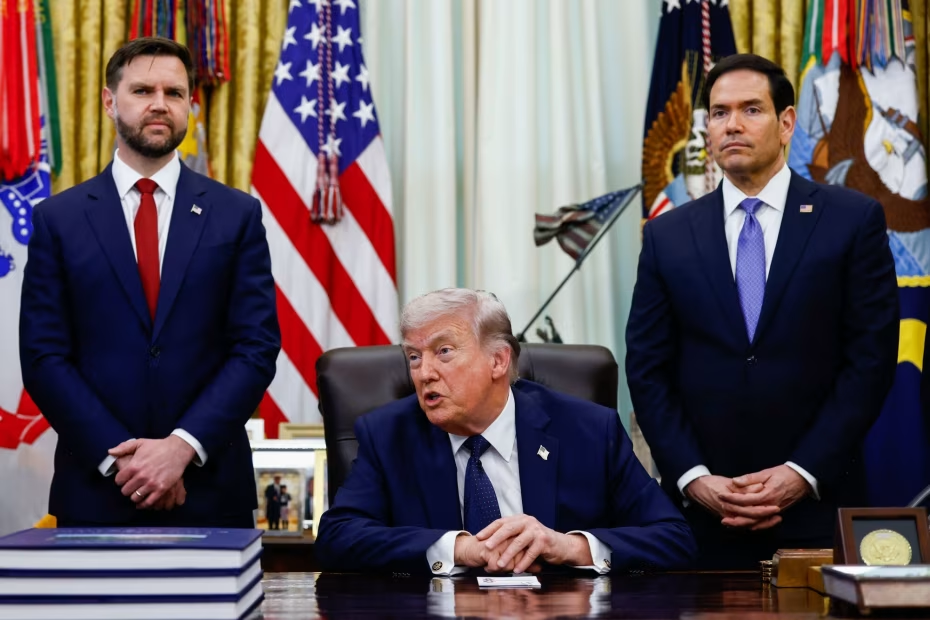
Trump is scheduled to follow the election results from the White House. He has also indicated that, should Republicans lose control of Congress, he would use his presidential veto power against legislation passed by Democrats.
The outcome could reshape the balance of power in Washington, determine the direction of Trump’s remaining presidency and influence the political landscape ahead of the next presidential election.























Leave a Reply