

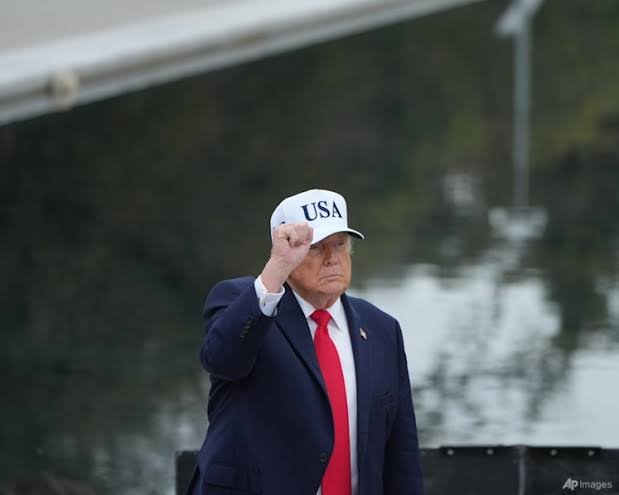
US President Donald Trump has expressed optimism over the possibility of reaching an agreement with Iran to prevent a renewed military confrontation, as diplomatic contacts between the two countries intensify amid growing international efforts to end the eight-month-old conflict.
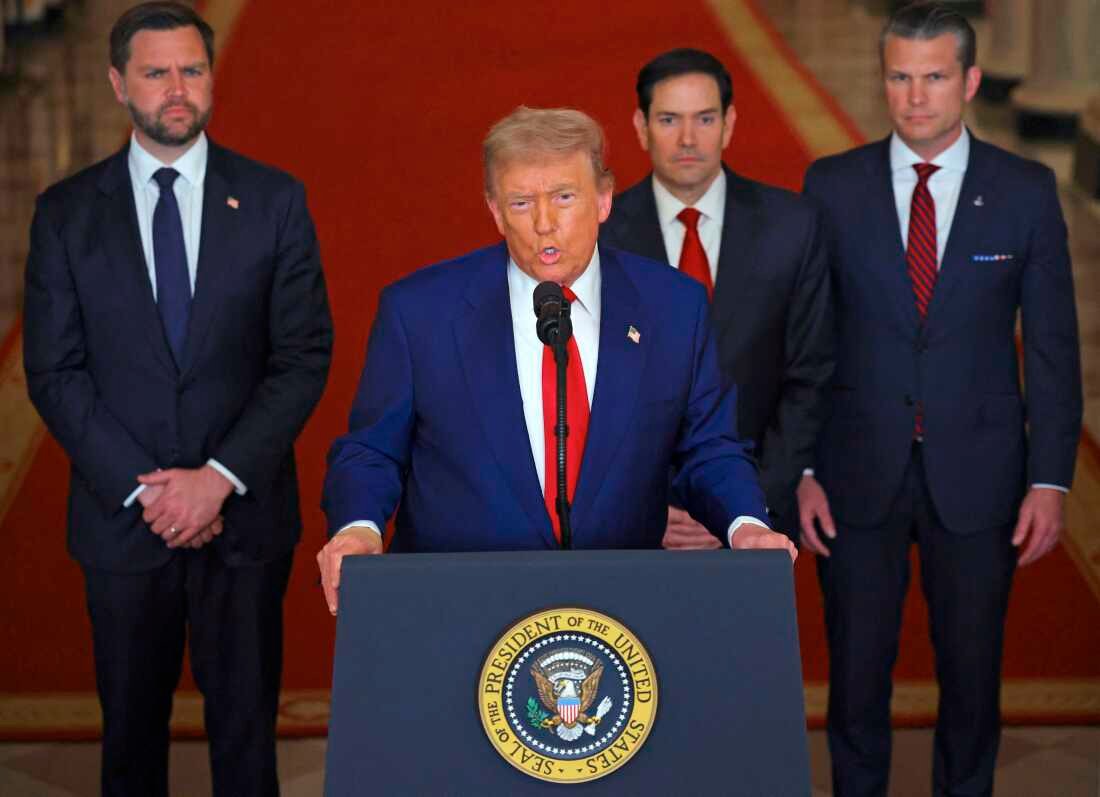
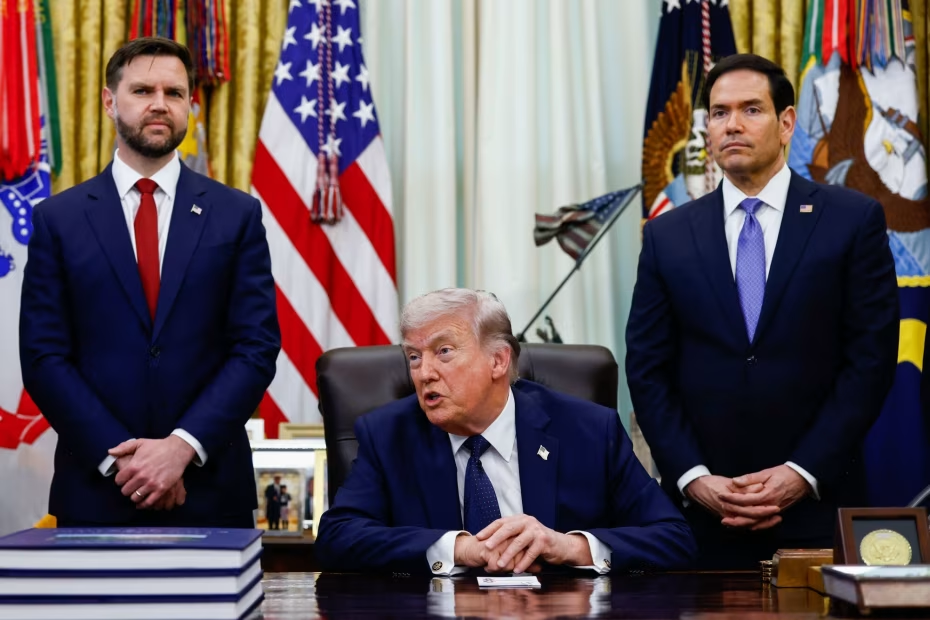
“A deal with Tehran could happen,” Trump said in a post on his Truth Social platform on Tuesday, adding that Iran wanted a settlement as soon as possible.
Iranian Foreign Minister Abbas Araghchi confirmed that indirect negotiations with Washington were underway through international mediators, describing the diplomatic exchanges as intensive given the seriousness of the situation.
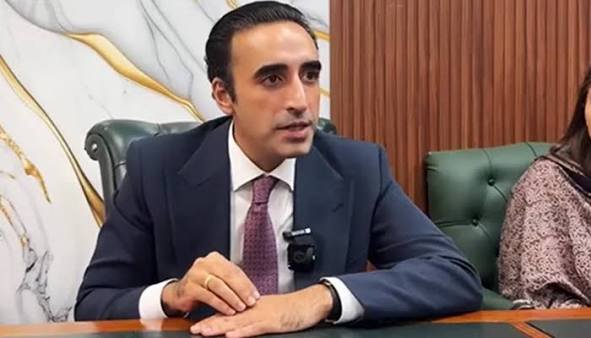
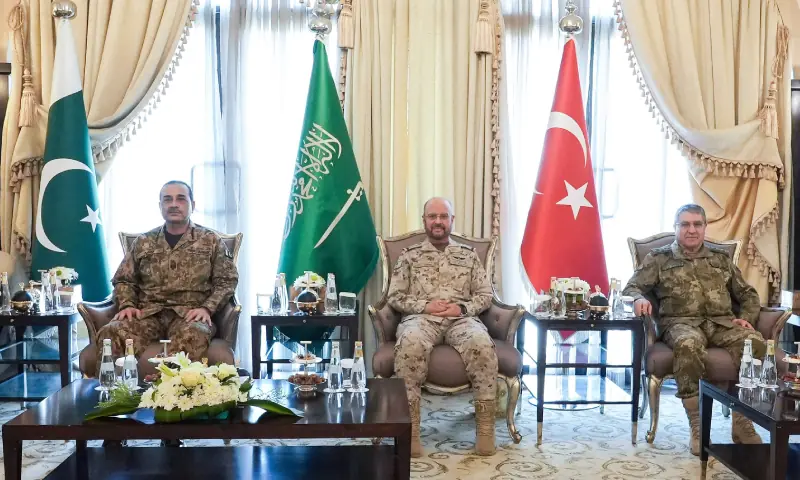
He specifically acknowledged the mediation efforts of Qatar and Pakistan, saying both countries were playing an active role in facilitating discussions between the two sides.
US Vice President JD Vance also expressed cautious optimism, saying Washington had made progress and hoped to achieve further breakthroughs in the negotiations.
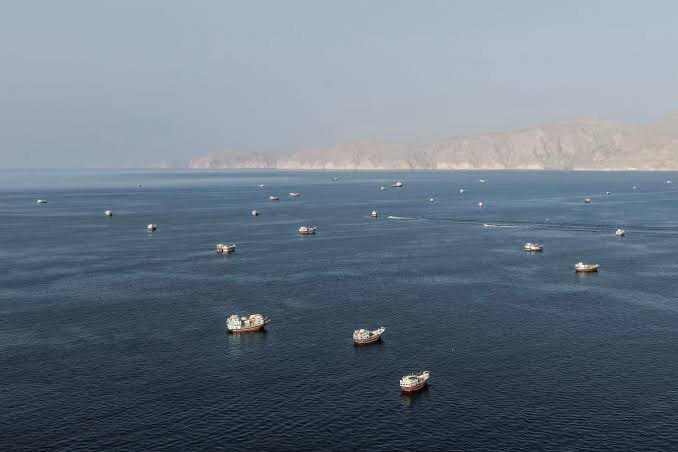
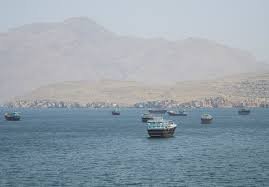
However, prospects for a diplomatic breakthrough faced uncertainty after reports emerged of fresh US strikes on Iran’s Qeshm Island in the strategically important Strait of Hormuz. Iranian state media reported five explosions in quick succession, while the Wall Street Journal reported that Washington had conducted a series of limited military strikes against Iran in recent weeks.
The latest military developments have raised questions about whether diplomatic progress can be sustained alongside continuing security tensions.
Iran offers to reopen Strait of Hormuz
In a significant diplomatic development, a senior Iranian official indicated that Tehran was prepared to reopen the Strait of Hormuz within two days, provided Washington accepted its conditions.
The proposed arrangement is linked to Iran’s earlier seven-day plan, which included demands for an end to hostilities on all fronts, the release of frozen Iranian assets, the lifting of oil sanctions and the termination of the US counter-blockade of Iranian ports.
Iranian Foreign Ministry spokesperson Esmaeil Baqaei described the possibility of implementing the proposal within two days as evidence of Tehran’s willingness to pursue a peaceful settlement.
In an interview with Al Jazeera, Araghchi also called on Washington to accept a new transit arrangement agreed upon by Iran and Oman. He further demanded the removal of recently imposed sanctions and a reduction in the American military presence in the region.
Pakistan, Qatar intensify mediation efforts
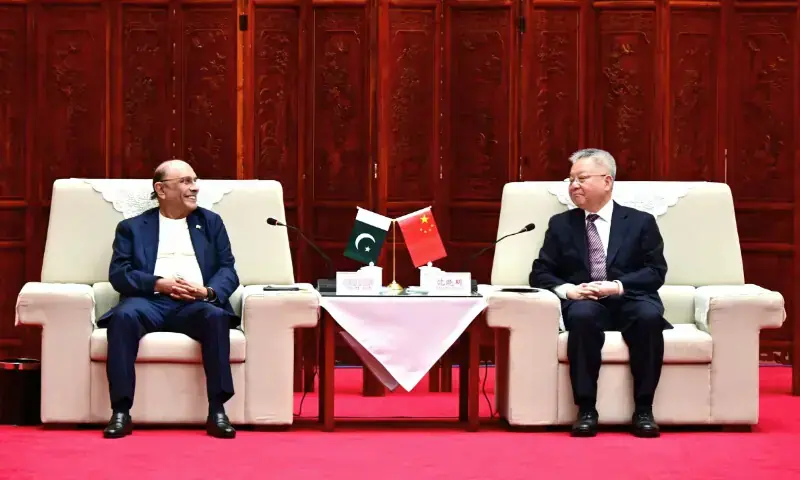
Pakistan and Qatar have emerged as important intermediaries in the diplomatic efforts to bring Washington and Tehran closer to an agreement.
Araghchi’s public acknowledgement of their mediation highlights the importance of regional diplomatic engagement in resolving the conflict and preventing further escalation.
China has also called for a political and diplomatic resolution. President Xi Jinping discussed the situation with Oman’s Sultan Haitham bin Tariq during his visit to Beijing, with both sides emphasising the need for a ceasefire and a peaceful settlement.
Meanwhile, Chinese Foreign Minister Wang Yi held discussions with Iranian and Saudi officials, reiterating Beijing’s support for diplomatic efforts and Iran’s sovereignty and security.
Iranian security officials, for their part, have maintained that Tehran will not compromise on its national sovereignty, territorial integrity and security interests.
Trump maintains military pressure
Despite signalling willingness to negotiate, Trump has continued to issue warnings against Iran, suggesting that further military action remains a possibility if diplomatic efforts fail.
He recently referred to potential US action against additional targets in Iran, including Pickaxe Mountain, a location suspected by Washington of being associated with nuclear activities, an allegation Tehran rejects.
Iranian spokesperson Baqaei warned that any further aggression against the country would invite an immediate and comprehensive response.
The diplomatic developments come at a politically sensitive moment for Trump, as Americans vote in crucial midterm elections that could determine whether Republicans retain control of Congress. Rising fuel prices and public dissatisfaction over the prolonged conflict have become significant campaign issues.
International oil markets have also responded positively to hopes of a settlement, with crude prices falling by more than seven per cent on Monday amid expectations that the conflict could move towards resolution.
Whether the latest diplomatic exchanges translate into a formal agreement remains uncertain. However, Pakistan and Qatar’s active mediation, China’s diplomatic engagement and Iran’s conditional offer to reopen the Strait of Hormuz have created renewed prospects for negotiations and a possible reduction in regional tensions.






Leave a Reply