

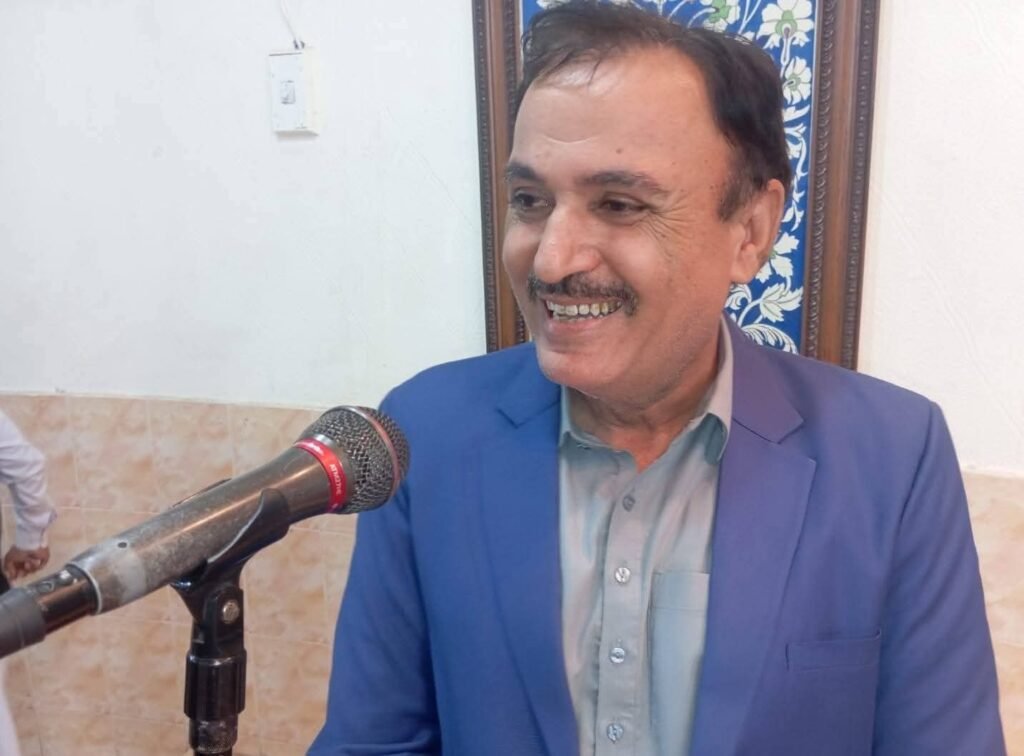
By Dr Sanaullah Rustamani
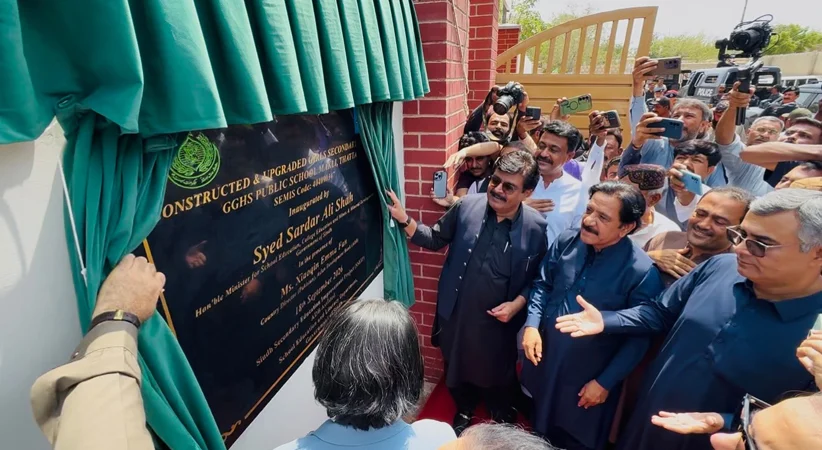
The Sindh Education Department has been making considerable efforts and taking commendable initiatives to bring revolutionary changes to the education sector and bring it at par with internationally established standards. In this context, several key initiatives have been taken to address these challenges, and significant achievements have been made in various fields. . The objective of the initiatives taken by the Education Department is to enhance the quality of education and provide educational facilities to people regardless of caste, creed, or class differences.
The appointment of teachers in the Education Department through a third-party mechanism is a great achievement in ensuring transparency and merit-based recruitment. For this purpose, the recruitment process was initiated in 2021 and culminated in 2025. According to a report published in Dawn on July 2, 2025, a total of 93,118 teachers were recruited, comprising 65,147 Primary School Teachers (PSTs) and 27,701 Junior Elementary School Teachers (JESTs). The recruitment was conducted on merit through third-party testing-IBA Sukkur. The report, quoting Sindh Education Minister Syed Sardar Shah, further stated that,”the next phase after recruitment would be professional training for teachers to further improve the quality of education and expressed hope that the teachers joining the school education department would understand the responsibilities of this noble profession and perform their duties with honesty.”
The recruitment figures also reflect the department’s commitment to providing inclusive employment opportunities. Of the successful candidates, 31,075 were women, 2,100 belonged to minority communities, and 1,330 were persons with disabilities. The department reported that the student-teacher ratio had improved to 34.59 following these appointments. Furthermore, the recruitment drive helped reactivate more than 5,000 previously non-functional schools.
The Education Department introduced the Teaching Licence Policy to train and educate newly recruited teachers, enhance, update, and ameliorate their pedagogical skills so that they may deliver effectively. The Education Department is meant to educate learners and ensure their proper academic upbringing.
Similarly, the Education Department launched the E-Transfer procedure to create ease and convenience for teachers, allowing them to focus on effective teaching and better performance of their duties instead of frequently visiting district and regional offices to pursue their transfer applications. Through E-Transfer, applications are ultimately referred directly to the Secretariat for final disposal. Daily Dawn, in this context, reported that initially, through the process, 133,547 teachers applied for transfers, including 105,258 primary school teachers and 28,389 junior elementary school teachers. This process aims to ensure transparency and merit and spare the precious time of worthy teachers.
Another wonderful initiative of the department is the introduction of the Student Attendance Monitoring and Redressal System, SAMRS, which aims to monitor the regular attendance of students, redress relevant grievances, identify the dropout ratio among learners, and take measures based on available data. The initiative, in its initial phase, covered 600 schools across 12 districts. The scope of this initiative, according to Daily Dawn, was extended to 3,647 schools by August 2026.
Moreover, the Education Department, through the clustering of schools, intends to ensure coordination and strengthen schools to impart effective education. The move intends to introduce consolidated measures through the sharing of resources by clustering adjoining schools.
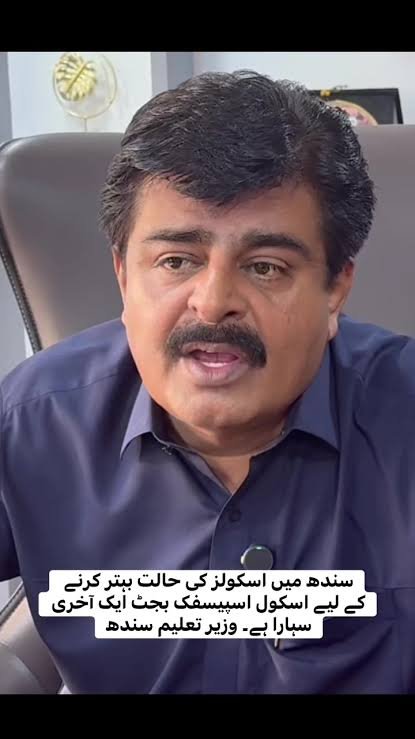
Another milestone achieved by the Education Department is the introduction of the School-Specific Budget (SSB). Through this system, school Headmasters and Principals were authorised to utilise the allocated budget for development, beautification, and addressing the basic needs of their schools without having to visit district or regional offices for the release of funds. The budget was placed at the disposal of the concerned headmasters and principals so that they could utilise it according to the needs of their respective schools. The Education Department authorised headmasters and principals to act as Drawing and Disbursing Officers (DDOs). They were also provided with training on how to utilise the funds for their schools.
The devastating floods of 2022 wreaked havoc on the infrastructure of many schools across the province. Regarding the rehabilitation and repair of schools, revolutionary steps were taken by the Government of Sindh. So far, many schools have been repaired and reconstructed, providing learners with opportunities to pursue their education in a proper and improved learning environment. Most of these schools were repaired with the assistance of the Asian Development Bank through the Sindh Secondary Education Improvement Project (SSEIP). Through this project, besides the repair of schools, some teachers were also provided with training.
Similarly, with the assistance of the World Bank, the Sindh Early Learning Enhancement through Classroom Transformation (SELECT) project was launched to introduce reforms in the education sector.
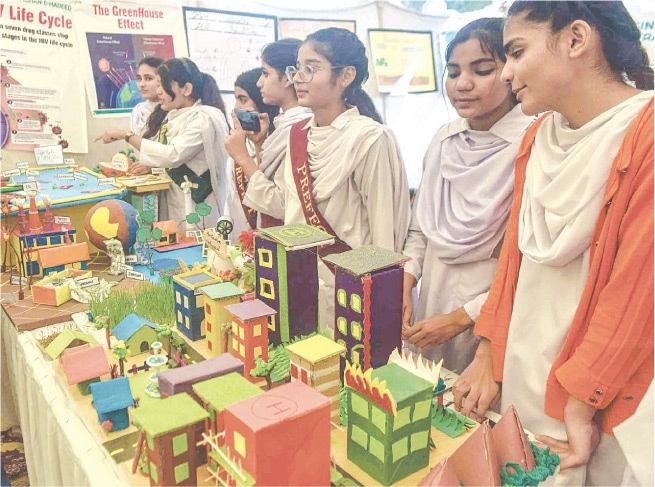
Keeping in view the growing demands of science and education, the Sindh Education Department initiated a project to improve school laboratories by equipping them with materials related to science and technology through STREAM project. The objective was to provide the youth of this nation with access to laboratories where they could learn science and technology and, ultimately, prove their worth in disciplines related to artificial intelligence and other modern technologies in the coming years.
The above cited initiatives taken by the Education Department aim to transform the education system from conventional methods of learning towards the digitalisation of education.
One must be sanguine that the introduced reforms, such as the School-Specific Budget ‘SSB’ , E-Transfers, digital monitoring of students’ attendance, and the creation of cluster hubs among adjoining schools, will help achieve the set milestones, ultimately leading to quality education for students across the province. As we believe that the journey has a long way to go to achieve all the fruits of the introduced and implemented initiatives . The initiatives taken towards quality education are commendable, and it is imperative that parents, teachers, media personnel, and society as a whole must play their role in cooperating and coordinating with the Education Department to achieve the coveted goals of further ameliorating the education system and making it stronger .
(The writer holds MPhil in ELT and PhD in English Applied Linguistics)



Leave a Reply