
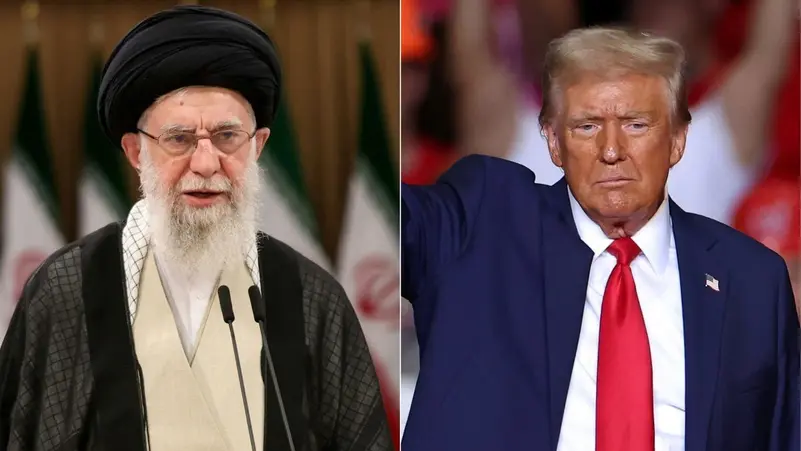
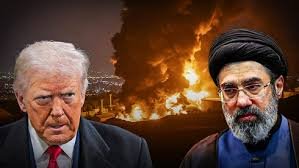
WASHINGTON, Feb 21, 2026 — Tensions between the United States and Iran escalated sharply this week as Donald Trump threatened possible military strikes while Iran signalled progress toward a nuclear counterproposal following high-stakes talks in Geneva. The developments have raised fears of a broader conflict in the Middle East just as diplomacy teeters on the edge.
Iranian Foreign Minister Abbas Araqchi told reporters on Friday that a draft counterproposal could be ready within two to three days for review by top Iranian leaders. The draft follows indirect discussions with US Special Envoy Steve Witkoff and Jared Kushner, Trump’s son-in-law and senior adviser. Araqchi said that while “guiding principles” have been agreed upon, a final deal is not yet imminent, and any military action could derail the diplomatic process.
The warning from Tehran comes amid a high-alert US military posture in the region. Two US officials told Reuters that Washington has developed a range of contingency plans, including targeted strikes against individuals, strategic facilities, and even the possibility of seeking regime change in Tehran if ordered by Trump.
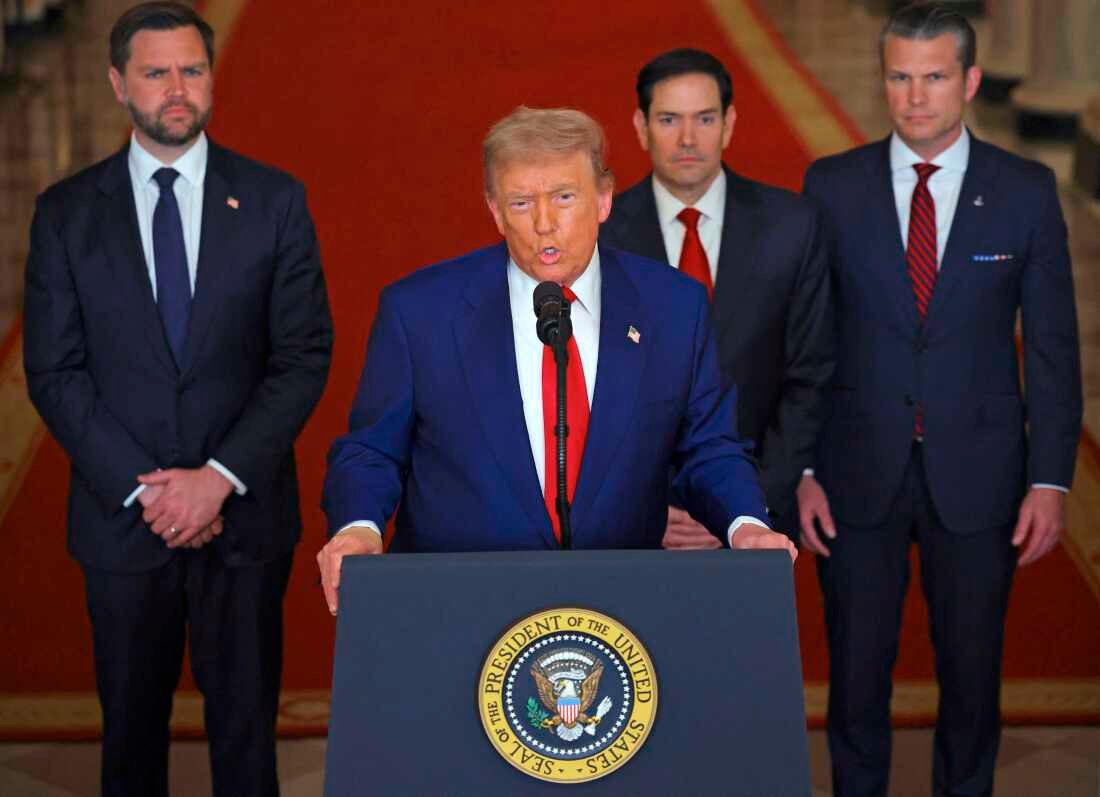
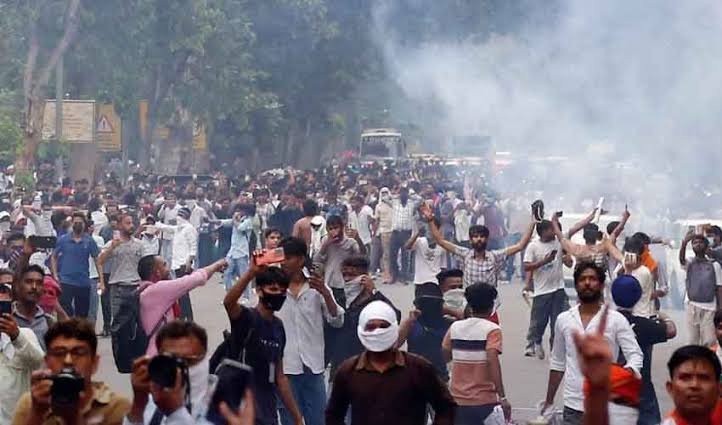
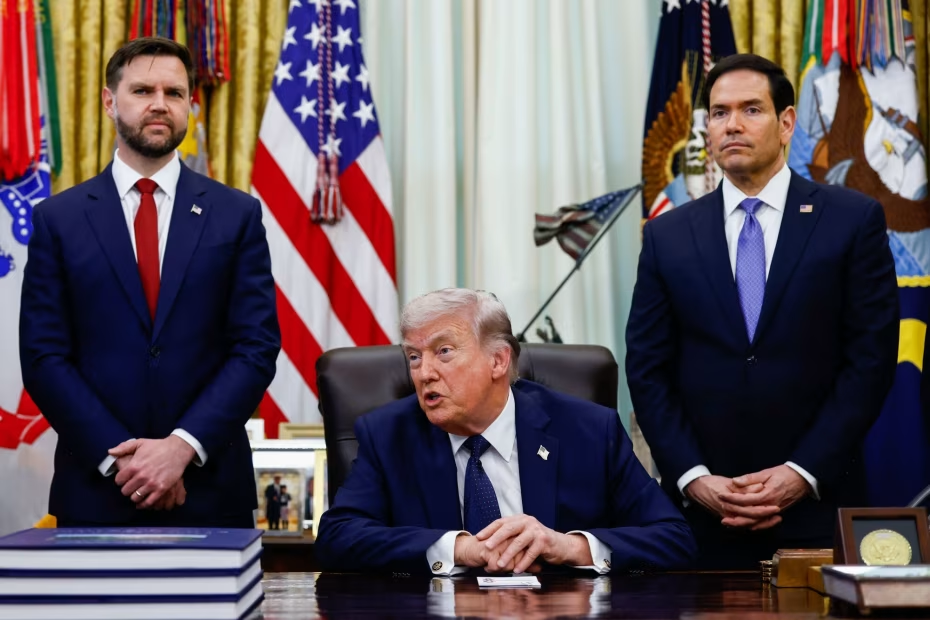
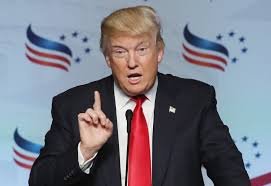
Trump, speaking at the White House, reiterated his hardline stance, giving Iran a 10- to 15-day window to negotiate a deal or face “really bad things.” He suggested that limited military action was under consideration to pressure Tehran, stating, “I guess I can say I am considering it.” He also drew attention to Iran’s domestic unrest, claiming that 32,000 people had been killed during recent protests—a figure that remains unverified—while asserting that his threats had prevented mass executions, including the hanging of hundreds of protesters.
Human rights monitoring groups provide contrasting figures. HRANA, which tracks protests and repression in Iran, has verified 7,114 deaths, with another 11,700 cases under review. Araqchi, meanwhile, released a government list citing 3,117 fatalities and challenged critics to provide evidence to dispute official numbers.
Despite the threats, Araqchi projected cautious optimism. He described the upcoming counterproposal as a framework to ensure Iran’s nuclear program remains peaceful and under strict monitoring. “What we are now talking about is how to make sure that Iran’s nuclear program, including enrichment, is peaceful and would remain peaceful forever,” Araqchi said in an interview with US cable network MS NOW. He added that technical and political confidence-building measures would accompany any sanctions relief, though he did not disclose the details.
The Geneva talks did not include any suspension of uranium enrichment by Iran, nor did the United States demand a full halt, signaling a nuanced negotiation approach rather than an all-or-nothing demand. The Iranian official expressed hope that a diplomatic solution could be achieved “in a very short period of time,” while emphasising that any misstep could trigger military escalation.
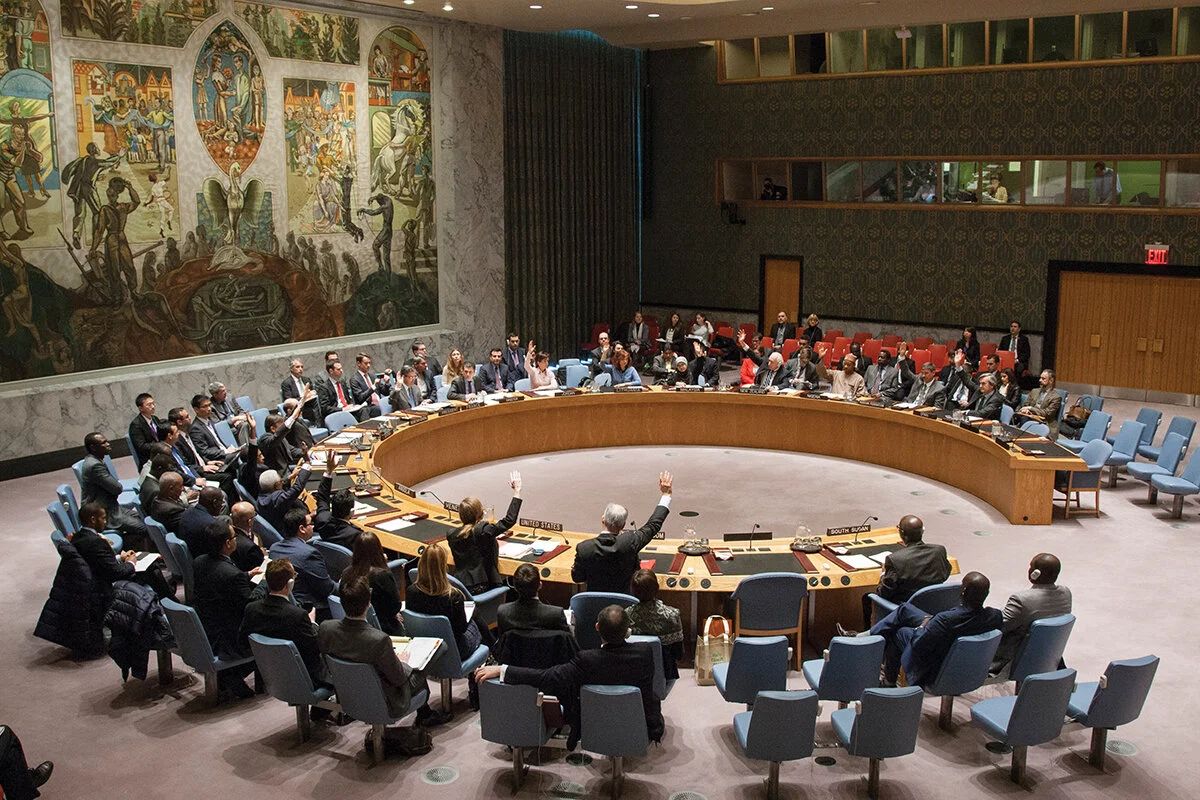
The United Nations, through spokesperson Stephane Dujarric, echoed concerns about rising tensions, urging both Washington and Tehran to prioritise diplomacy. “We encourage both the United States and the Islamic Republic of Iran to continue to engage in diplomacy to settle the differences,” Dujarric said, highlighting the potential consequences of heightened rhetoric and military posturing.
The latest standoff underscores a precarious moment in US-Iran relations. Following June strikes on Iranian nuclear and military sites by the US and Israel, and Tehran’s deadly crackdown on protests in January, the situation remains volatile. Analysts warn that while a deal is technically possible, Trump’s hardline approach, coupled with Iran’s determination to assert its sovereignty, makes the coming weeks crucial—and potentially explosive—for the region.
As Iran prepares its counterproposal and Trump weighs military options, the world watches a diplomatic dance fraught with risks. Failure to reach a negotiated settlement could ignite a crisis with far-reaching consequences for nuclear non-proliferation, Middle Eastern stability, and global security.




Leave a Reply