

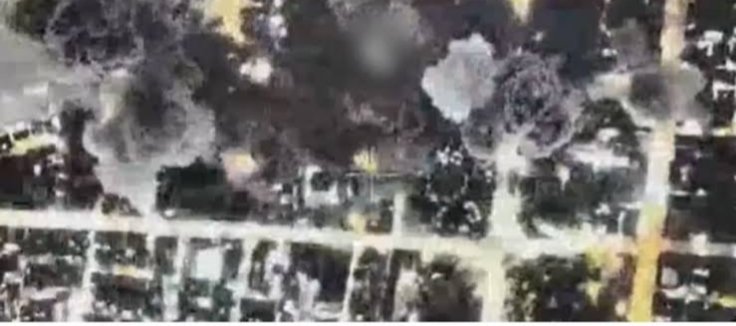
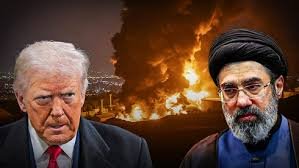
Tensions in the Middle East escalated further after around 50 fighter jets from Israel carried out a large-scale airstrike targeting an underground bunker reportedly built for the Supreme Leader of Iran.
According to Israeli military sources, the operation involved dozens of aircraft striking a heavily fortified underground complex believed to be located in the Iranian capital, Tehran. The facility was described as a secure bunker constructed to protect Iran’s top leadership and to serve as an emergency command center during wartime.
Officials said the bunker was linked to Supreme Leader Ali Khamenei and was designed to allow senior Iranian leaders to continue directing military operations even during heavy bombardment. The underground structure reportedly contained meeting rooms, communication systems and protected corridors intended to withstand powerful attacks.
Israeli authorities stated that approximately 100 munitions were dropped during the strike in an effort to penetrate and destroy the fortified facility. Military analysts say underground bunkers of this type are usually built deep below ground and reinforced with thick concrete layers, making them difficult to destroy without repeated or highly specialized strikes.
There has been no immediate confirmation from Iranian officials regarding the extent of damage to the site or whether any senior officials were present in the bunker at the time of the attack.
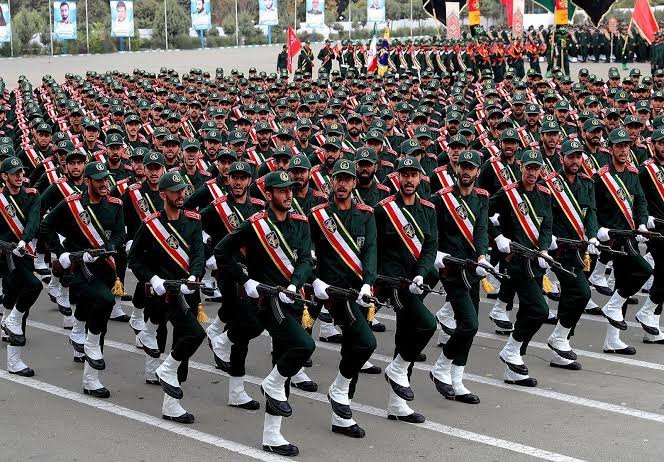
The strike is seen as one of the most significant operations carried out by Israel since the conflict between Iran and the United States–Israel alliance intensified earlier this week. Observers say the attack reflects an increasing focus on targeting strategic command centers and leadership infrastructure within Iran.
Security analysts warn that such high-profile strikes could further escalate the conflict and increase the risk of a wider regional war involving several Middle Eastern countries.
The situation across the region remains tense as military activity and retaliatory attacks continue, raising international concerns about stability in the Middle East and the potential impact on global security and energy markets.
Israeli Fighter Jets Strike Underground Bunker Linked to Iran’s Supreme Leader








Leave a Reply