

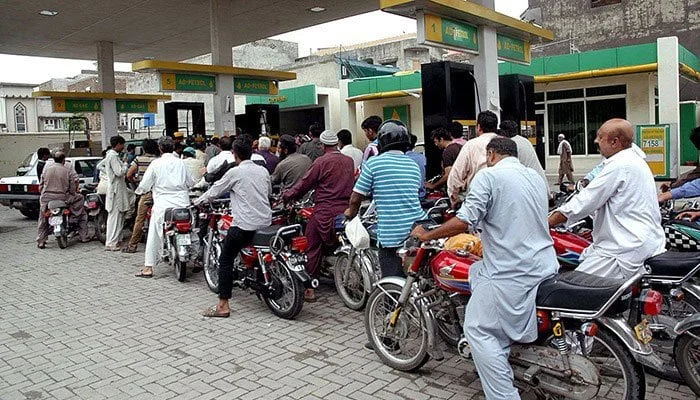
Islamabad: Petrol pumps across Pakistan began shutting down from midnight on Tuesday after negotiations between the All Pakistan Petrol Pumps Owners Association (APPPOA) and the federal government failed to produce an agreement over dealers’ longstanding demands.
The association announced the nationwide strike after a meeting with Petroleum Minister Ali Pervaiz Malik ended without a breakthrough. APPPOA Chairman Humayun Khan said representatives from all four provinces, Gilgit-Baltistan, and Azad Jammu and Kashmir had urged the government to convert dealers’ commissions into a percentage-based system and restore the previous monthly fuel pricing mechanism by abolishing daily price revisions.
According to the association, petrol pump owners have been facing financial losses due to frequent changes in fuel prices. Khan criticized the government’s decision to revise petroleum prices on a daily basis, saying the policy had shifted the financial burden onto petrol pumps, oil marketing companies, and refineries while creating uncertainty for dealers and consumers alike.
The association said the nationwide shutdown would continue until its demands were accepted. It also claimed to be in contact with oil tanker owners, who may announce a separate strike in support of the protest.
Association leader Nauman Butt confirmed that negotiations with the petroleum minister had failed to resolve issues relating to dealers’ margins and the new pricing mechanism. He appealed to all petrol pump owners across the country to fully observe the strike.
Meanwhile, the Pakistan Goods Transport Alliance announced its support for the shutdown. Alliance President Malik Shehzad Awan urged the federal government to accept what he described as the legitimate demands of petroleum dealers, warning that the strike could severely disrupt goods transport and supply chains across the country.
The government recently introduced a daily fuel price review mechanism, under which petroleum prices are calculated on the basis of a seven-day average of international oil prices. Officials say the move is intended to align domestic fuel prices with global market trends, but dealers argue that the policy has increased operational losses and uncertainty.
If the deadlock persists, the strike is expected to affect fuel availability, transportation services, and commercial activities across Pakistan.



Leave a Reply