

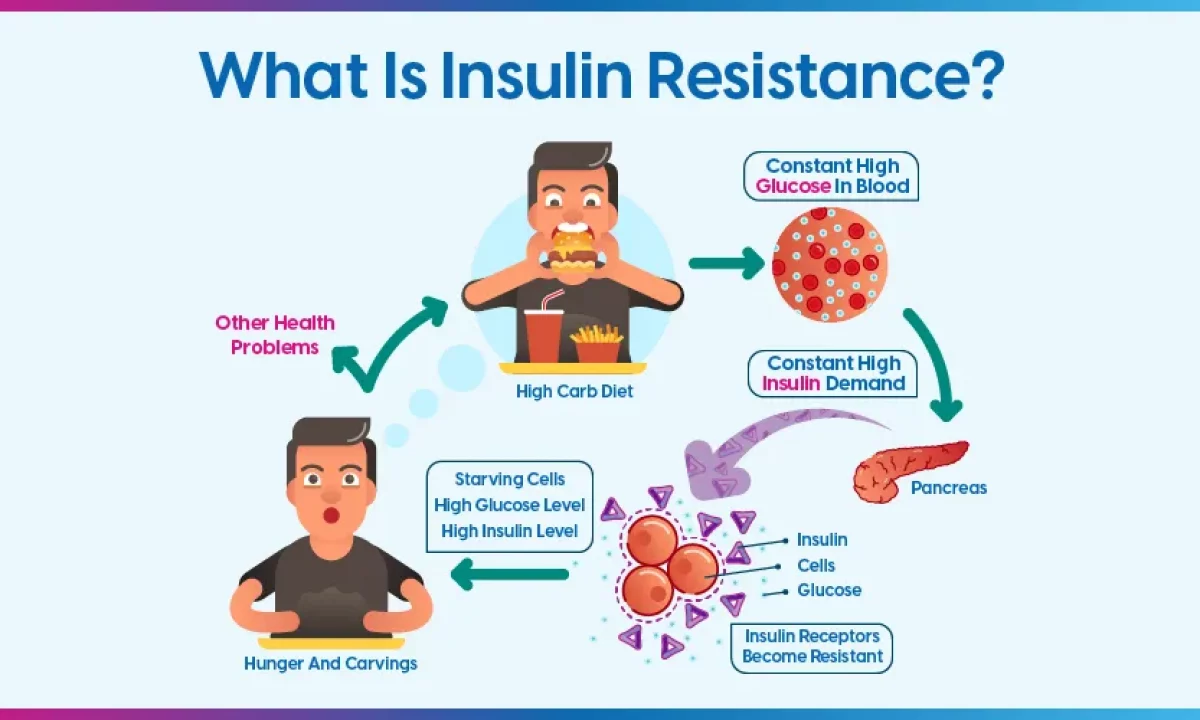
In recent years, the term “insulin resistance” has moved beyond medical discussions into everyday conversation, social media, and online health platforms. Weight gain, fatigue, sugar cravings, and type 2 diabetes are often linked to this condition. But what exactly is insulin resistance, how does it develop, and can fasting help manage it?
What Is Insulin?
Insulin is a vital hormone produced by the pancreas. Its primary role is to regulate the level of glucose (sugar) in the blood. When we eat food, it is broken down into glucose, which serves as the body’s main source of energy.
As glucose enters the bloodstream, the pancreas releases insulin. Insulin acts like a key, helping glucose move from the blood into the body’s cells — especially muscle and liver cells — where it is either used immediately for energy or stored for later use. Once blood glucose levels decrease, the pancreas reduces insulin production.
What Is Insulin Resistance?
Insulin resistance occurs when the body’s cells do not respond properly to insulin. In this situation, insulin is present, but the cells fail to react effectively to its signal. As a result, glucose remains in the bloodstream instead of entering the cells, causing blood sugar levels to rise.
To compensate, the pancreas produces more insulin. Over time, if this condition persists, the pancreas may become overworked, increasing the risk of developing type 2 diabetes.
Common Symptoms
Insulin resistance often develops silently, but some warning signs may include:
- Excess fat around the abdomen
- Persistent fatigue
- Frequent hunger, especially sugar cravings
- Elevated blood sugar levels
- High cholesterol or blood pressure
In some individuals, darkened patches of skin around the neck or underarms (a condition known as acanthosis nigricans) may also appear.
Can Fasting Help?
In recent years, intermittent fasting has gained attention as a possible way to improve insulin sensitivity. Some studies suggest that limiting food intake for certain periods may lower insulin levels and allow the body’s cells to respond more effectively to insulin.
Potential benefits of fasting may include:
- Encouraging the body to burn stored fat for energy
- Supporting weight loss
- Helping stabilize insulin levels
However, experts caution that fasting is not suitable for everyone, particularly people who already have diabetes or other medical conditions. Making significant dietary changes without medical supervision can be risky.
The Importance of Lifestyle
Managing insulin resistance is not just about fasting. A balanced diet, regular physical activity, adequate sleep, and stress management all play crucial roles. Eating fiber-rich foods, reducing processed carbohydrates, and maintaining an active lifestyle can significantly improve insulin sensitivity.
Conclusion
Insulin resistance is a complex but manageable condition. If left unaddressed, it can lead to serious health problems such as type 2 diabetes. While fasting may benefit some individuals, it is not a miracle cure. Consulting a qualified healthcare professional before making major lifestyle or dietary changes is the safest and most effective approach to improving long-term health.




















Leave a Reply