

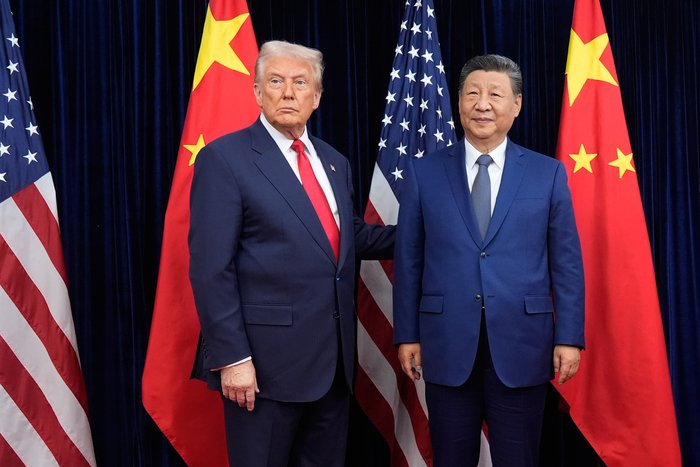
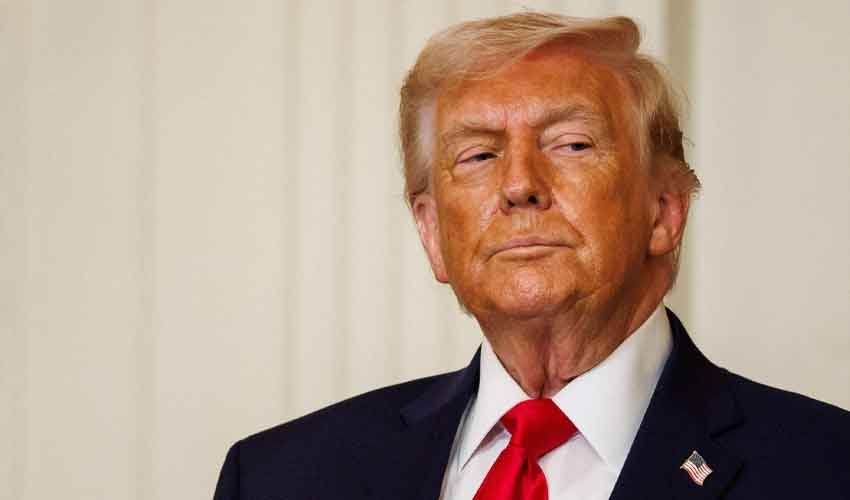
WASHINGTON, Feb 21, 2026 — US President Donald Trump will travel to China from March 31 to April 2 for talks with Chinese President Xi Jinping, in a visit expected to focus heavily on trade tensions between the world’s two largest economies.
The White House confirmed the trip on Friday, shortly before the Supreme Court of the United States struck down a significant portion of Trump’s sweeping tariffs on imported goods. The ruling invalidated tariffs imposed under the International Emergency Economic Powers Act (IEEPA), including 20 per cent duties on Chinese exports linked to declared national emergencies over fentanyl trafficking and trade imbalances.
The court’s decision has introduced fresh uncertainty into US-China relations, which had shown signs of stabilising in recent months. Trump had earlier reduced some tariffs on Chinese goods in exchange for Beijing’s commitments, including measures to curb illicit fentanyl exports and pause restrictions on critical mineral exports.
However, tariffs imposed under Section 301 and Section 232 trade authorities remain in effect, leaving in place substantial duties on Chinese products. Speaking at a press conference, Trump indicated he would introduce a new 10 per cent global tariff for 150 days, signalling that trade friction could persist despite the court setback.
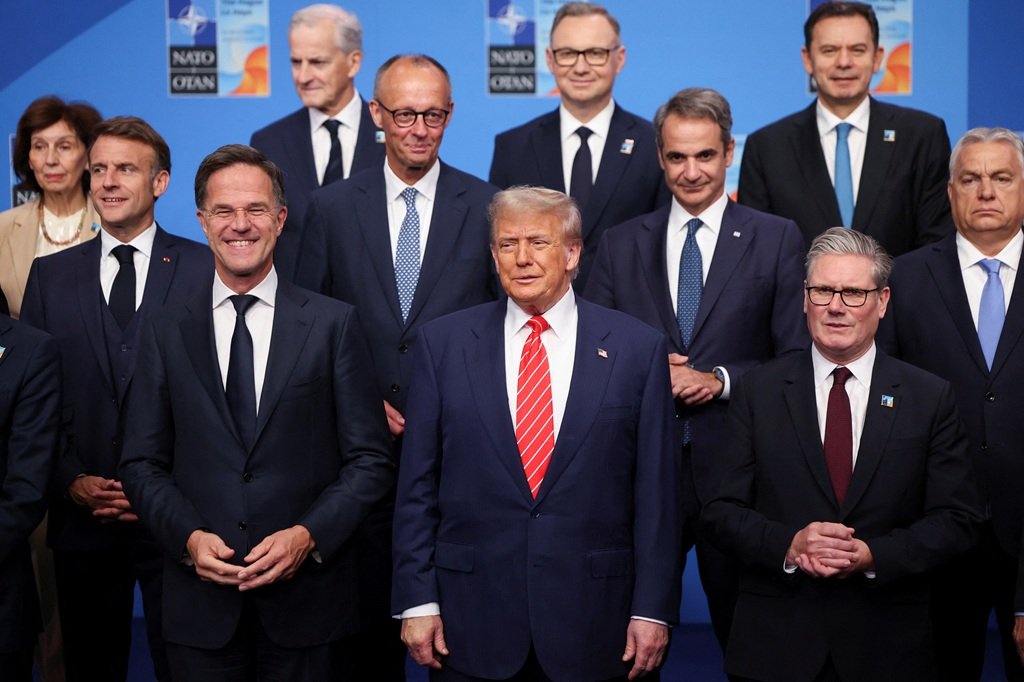
The upcoming visit will mark Trump’s first trip to China since 2017 and his first in-person meeting with Xi since October, when the two leaders met in South Korea and agreed to a temporary trade truce. While that meeting largely avoided contentious issues such as Taiwan, the matter resurfaced in a recent phone call between the two leaders.
China considers Taiwan part of its territory, a claim rejected by Taipei. The United States maintains unofficial ties with Taiwan and continues to approve major arms sales to the island, including an $11.1 billion package announced in December — the largest such approval to date.
Trade remains the central issue. Trump has repeatedly described the US trade deficit as a national emergency, arguing that it has weakened American manufacturing. Analysts suggest the Supreme Court’s ruling may complicate Washington’s leverage ahead of negotiations, particularly as Beijing has previously hinted at restricting rare earth exports critical to US industries.
Chinese officials have not formally confirmed the dates of the visit. Observers say Beijing is likely to seek stability in bilateral ties while assessing the legal and political implications of the US court decision.
The global tariff campaign launched by Trump at the start of his second term in January 2025 has strained relations not only with China but also with key US allies. Critics argue that across-the-board tariffs have sometimes reduced incentives for supply chains to shift away from China.
With legal uncertainty clouding the administration’s tariff strategy, the March summit in Beijing is expected to test whether both sides can sustain their fragile trade truce or whether fresh tensions will emerge in the evolving US-China economic rivalry.















Leave a Reply