

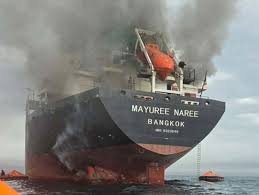
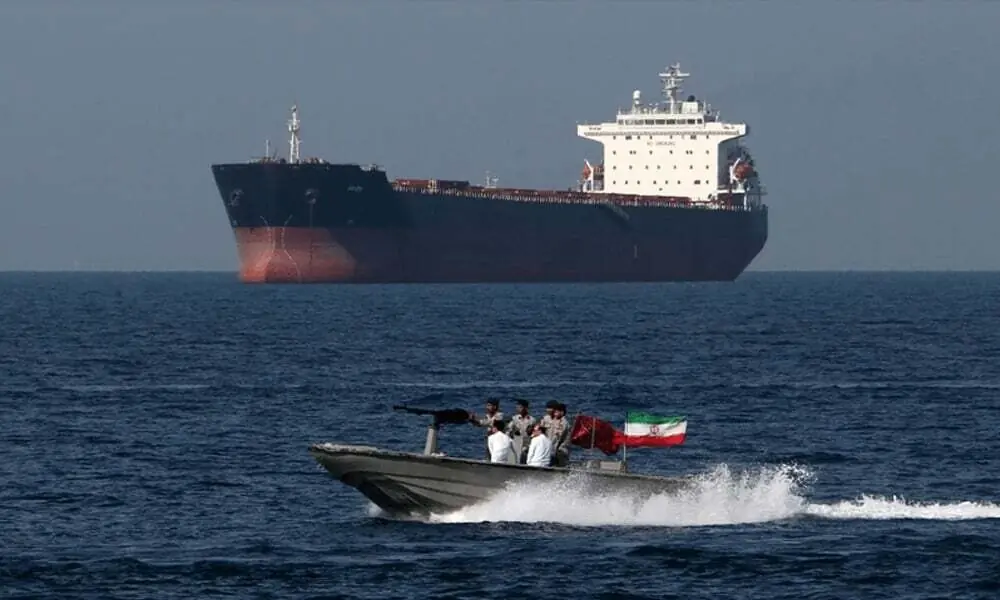
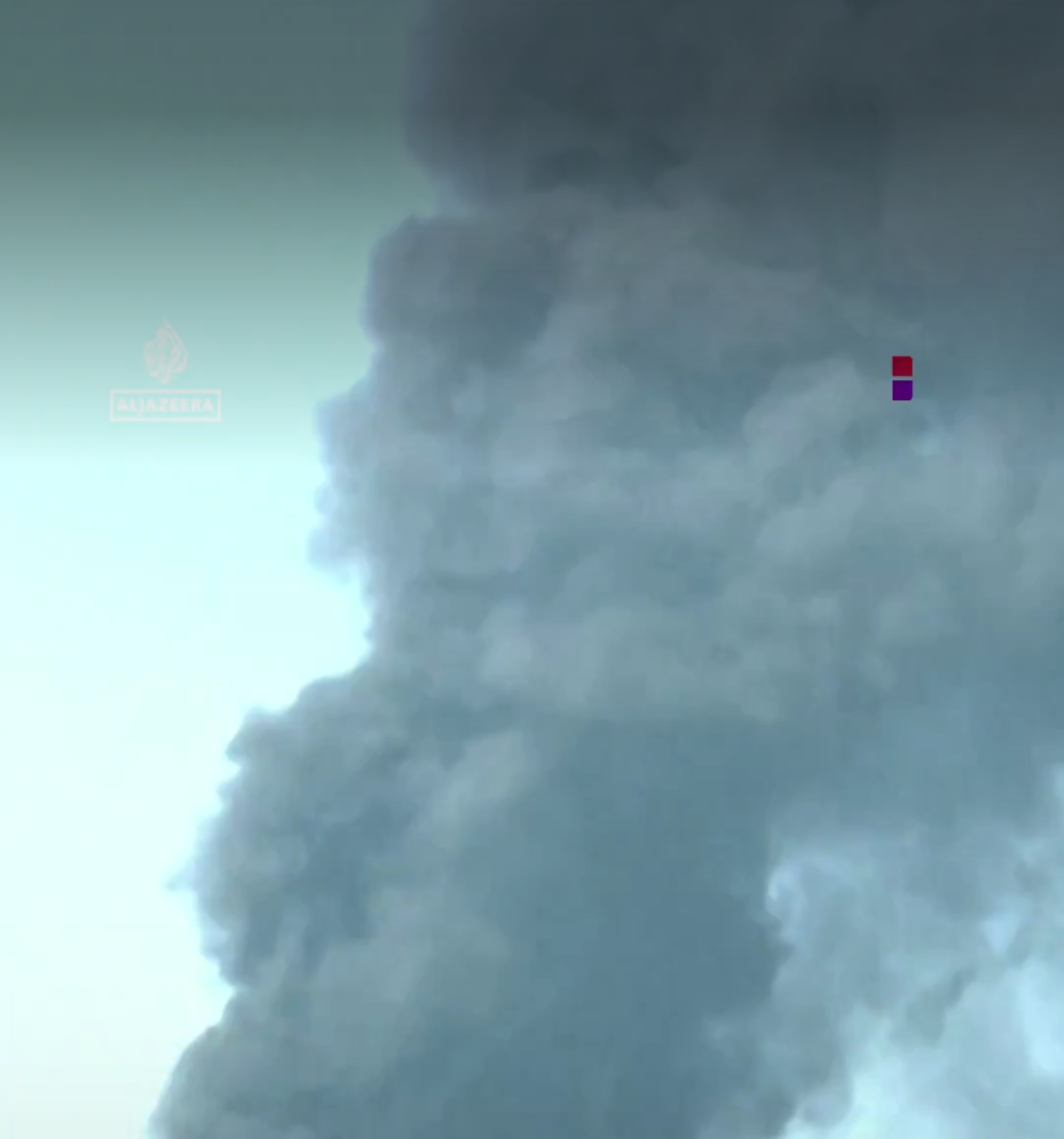
A Thai commercial vessel en route to India was struck while sailing through the strategic Strait of Hormuz on Wednesday, according to a statement issued by the Ministry of External Affairs, raising fresh concerns about the safety of international shipping routes amid escalating tensions in West Asia.
Indian officials said the vessel had been traveling toward the Kandla Port, a major maritime gateway located in the western Indian state of Gujarat, when it came under attack in the narrow but strategically vital sea passage.
In a strongly worded statement, the Indian foreign ministry condemned the increasing targeting of commercial vessels in the region, warning that such attacks pose a serious threat to global trade and maritime security. The ministry said India deplores the fact that commercial shipping is being made a target of military attacks in the ongoing conflict in West Asia.
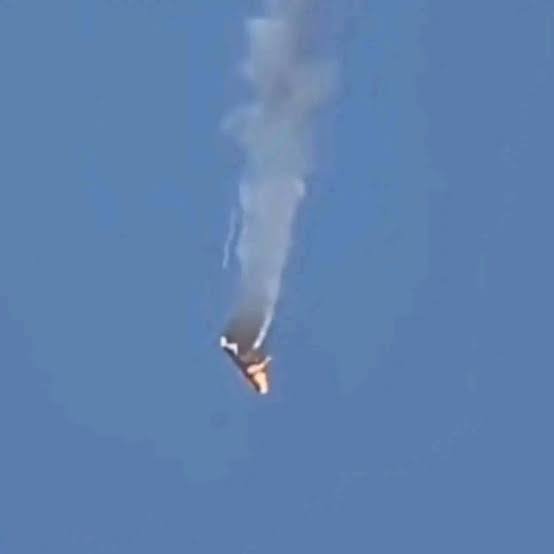
Officials further noted that merchant vessels operating in the region have increasingly become vulnerable to missile, drone and naval attacks as the conflict intensifies. According to the statement, precious lives, including those of Indian citizens, had already been lost in similar incidents during earlier phases of the conflict. Authorities warned that the scale and lethality of these attacks appear to be increasing, raising fears of further casualties and disruptions to international trade routes.
The ministry did not immediately provide details about the extent of damage to the Thai ship or whether there were casualties among the crew. However, officials said they were closely monitoring the situation and were in contact with relevant authorities and shipping agencies to gather further information about the incident and ensure the safety of Indian nationals who may be on board or involved in maritime operations in the region.
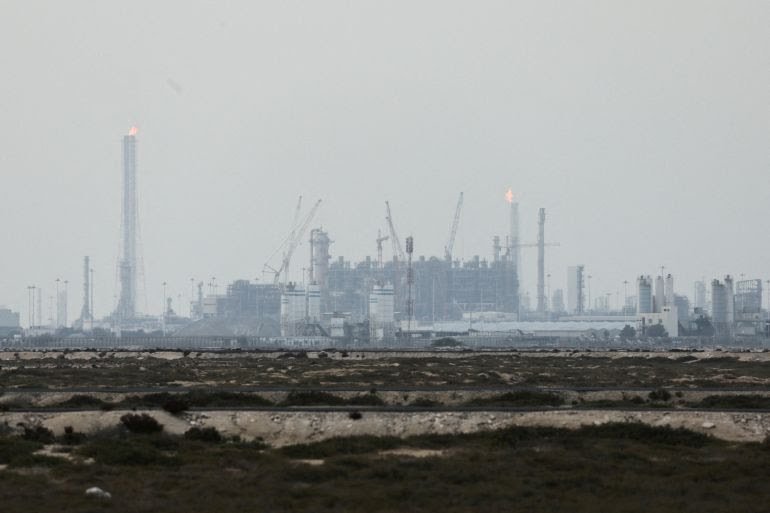
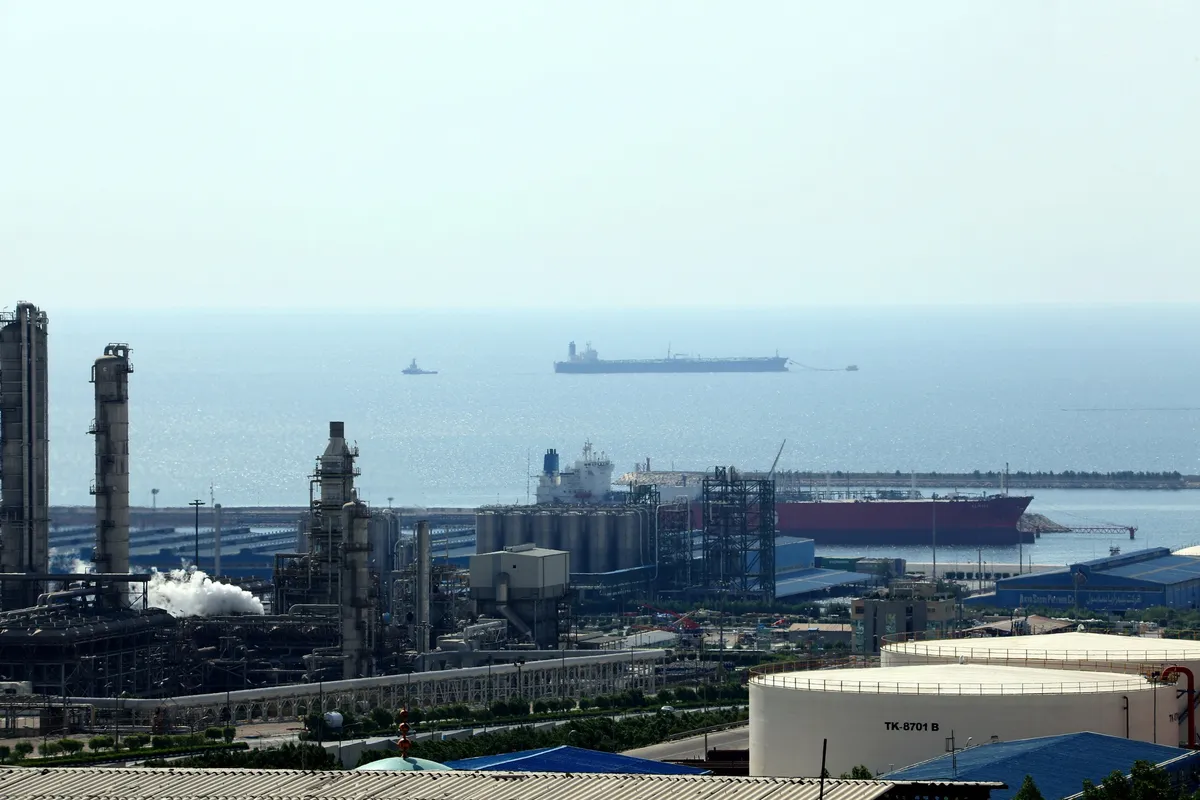
The Strait of Hormuz is one of the most important maritime chokepoints in the world. A significant portion of the global oil supply and international trade shipments pass through this narrow corridor connecting the Persian Gulf with the Arabian Sea. Any disruption in this route has immediate consequences for energy markets, shipping insurance costs and the global supply chain.
Security analysts say that commercial vessels passing through the strait have become increasingly exposed to risks due to the intensifying military confrontation in the broader region. Several recent incidents have involved attacks on tankers and cargo ships using drones, missiles or naval forces, heightening concerns among shipping companies and governments about the safety of international maritime commerce.
India, which relies heavily on sea lanes through the Gulf region for energy imports and trade, has repeatedly called for restraint and respect for international maritime laws. Indian officials have urged all parties involved in the conflict to avoid actions that could endanger civilian shipping or escalate tensions further.
The latest incident involving the Thai vessel heading to India underscores the widening impact of the regional conflict beyond the immediate combat zones. Analysts warn that if attacks on commercial shipping continue, global shipping routes could face severe disruptions, potentially affecting oil supplies, freight costs and economic stability in multiple regions.
Maritime authorities and international observers are now closely watching developments in the Strait of Hormuz as tensions remain high, with fears that continued hostilities could further threaten one of the world’s most critical trade corridors.











Leave a Reply