
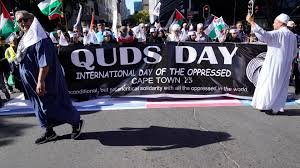
Tehran — Thousands of demonstrators filled the streets of Tehran on Friday to mark the annual Al‑Quds Day, despite intensifying conflict between Iran and the allied forces of the United States and Israel.
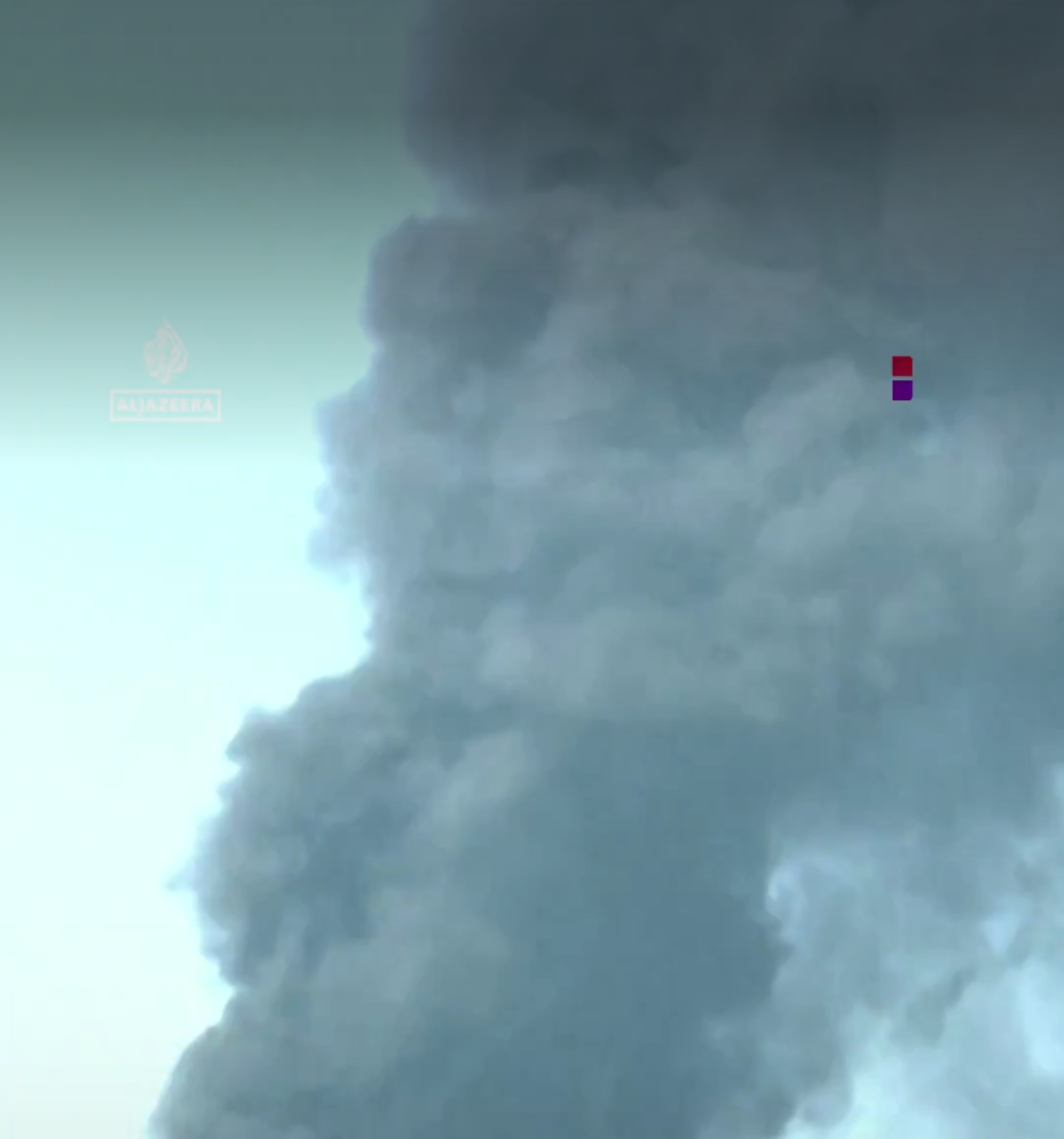
The rally, traditionally held on the last Friday of the Muslim holy month of Ramadan, turned tense after a series of explosions were reported near the demonstration route in the Iranian capital.
Iranian state television said at least one person was killed and several others were injured when blasts struck near Ferdowsi Square, a central area where large numbers of protesters had gathered to express solidarity with Palestinians. Officials indicated that the explosions occurred shortly after warnings allegedly linked to potential Israeli strikes in the area.
According to Iranian media reports, a woman died from shrapnel wounds believed to have been caused by an air attack. Authorities have not yet released complete details about the incident, and investigations into the exact cause of the blasts were ongoing.
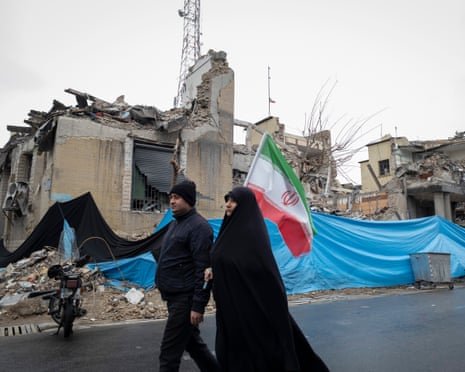
The rally came amid escalating hostilities in the region following weeks of military exchanges between Iran and its adversaries. The conflict began on February 28 and has already caused significant casualties across Iran. The country’s health authorities reported that more than 1,400 people have been killed and over 18,000 injured since the start of the war.
Despite the security risks, thousands of people continued marching through Tehran, waving Palestinian flags and chanting slogans condemning Israel and the United States. Many demonstrators said their presence was meant to show resilience and unity during a period of intense military pressure.
A woman participating in the rally said that Iranian citizens would not be intimidated by air strikes or military threats. “Bombs will not make us abandon our country,” she said, adding that public gatherings like the Al-Quds Day march demonstrate national resolve.
Another protester described the event as a symbol of resistance against what he called oppression in the region. He said that the large turnout proved people believed injustice could eventually be defeated.
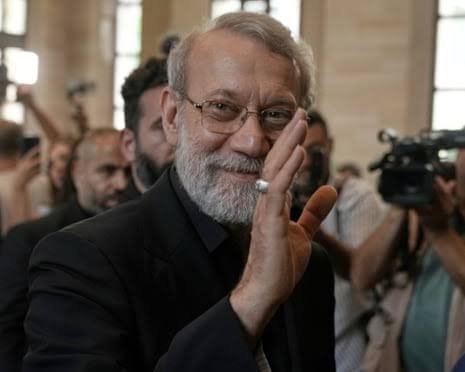
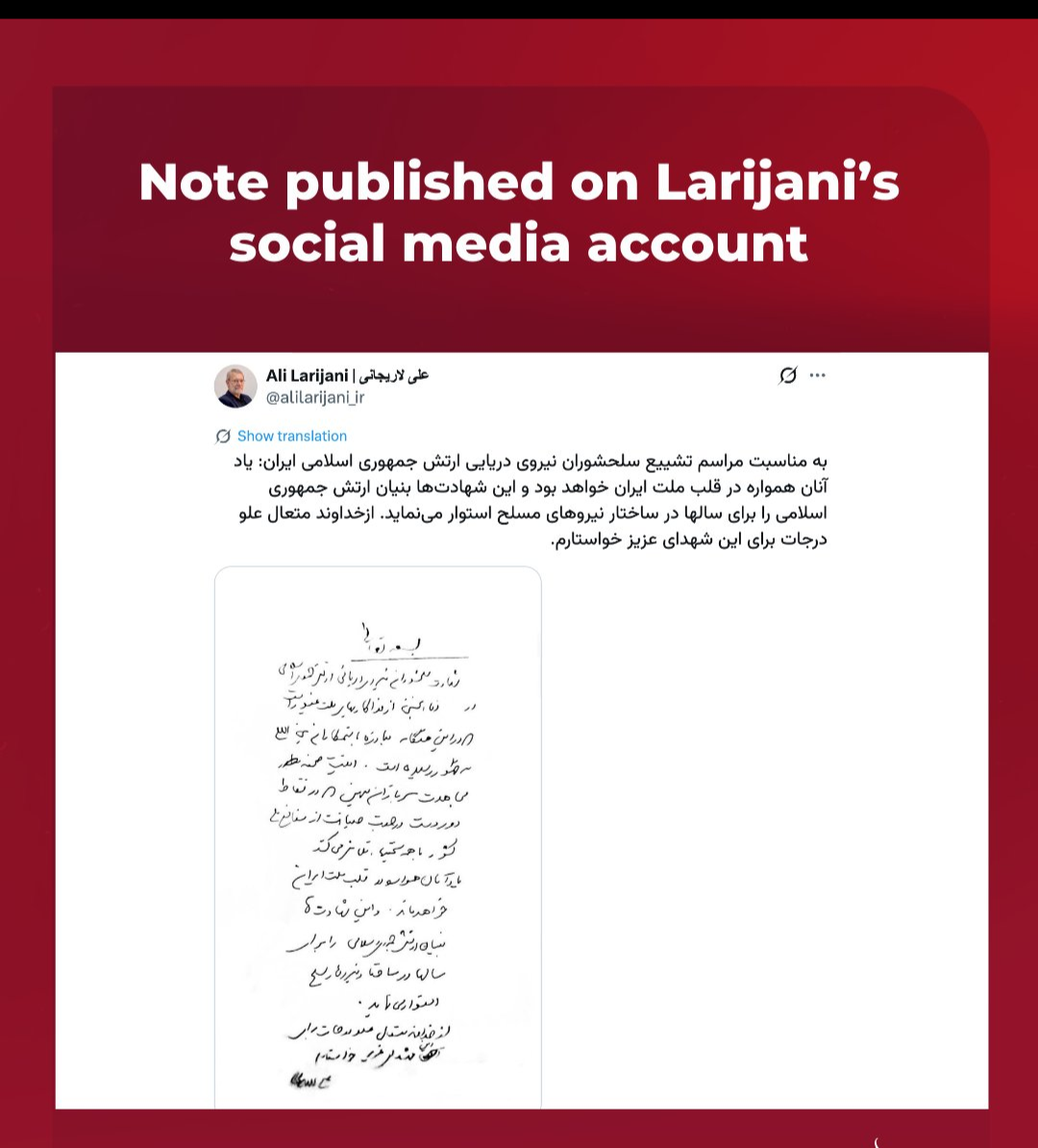
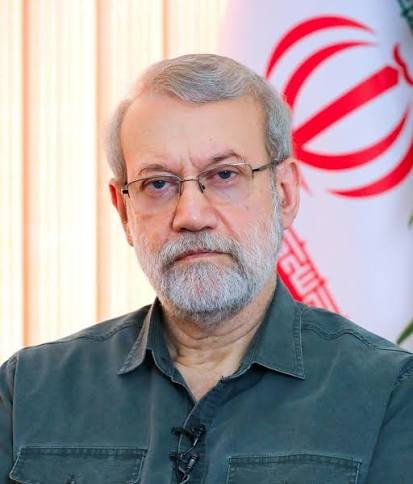
Iranian President Masoud Pezeshkian attended the rally alongside senior officials, including Ali Larijani, secretary of the Supreme National Security Council. A day earlier, Iran’s supreme leader Mojtaba Khamenei vowed that the country would continue resisting external attacks and maintain its stance in the ongoing confrontation.
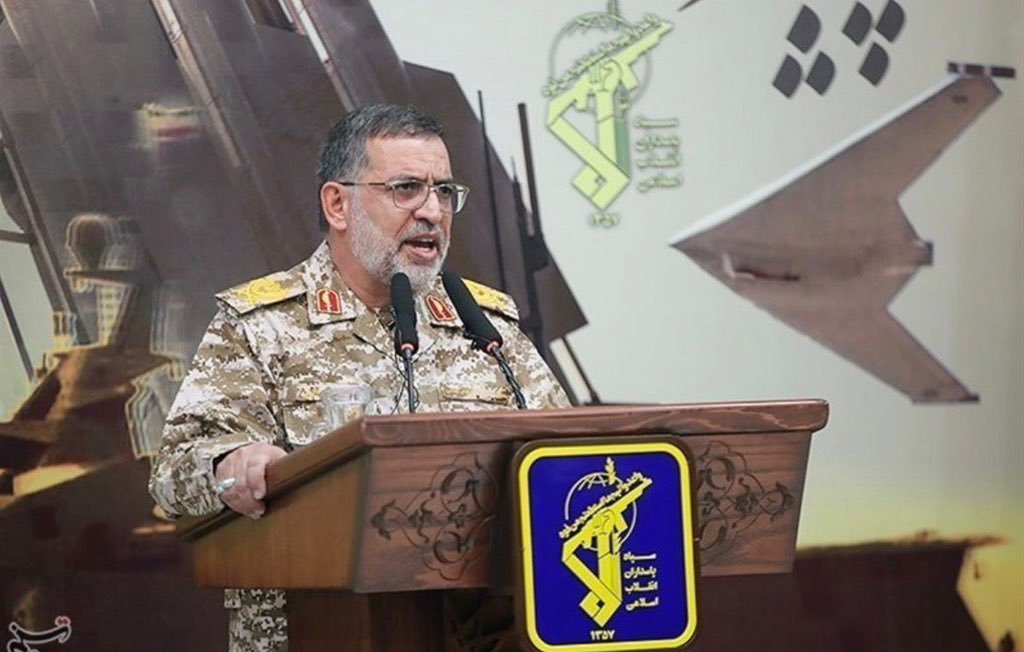
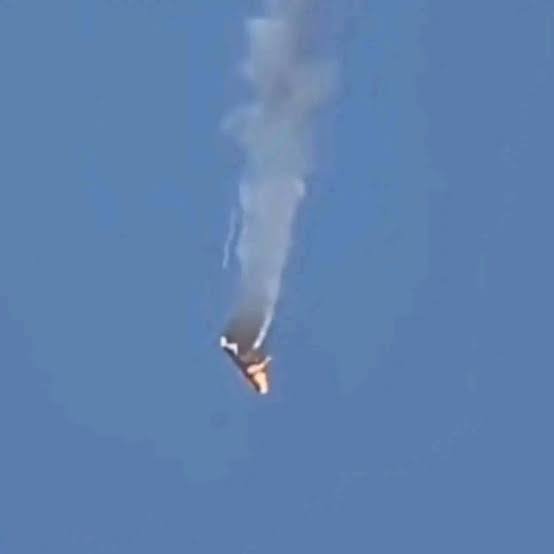
Meanwhile, Iran’s powerful military organization, the Islamic Revolutionary Guard Corps (IRGC), announced that Iranian forces had launched missiles and drones toward Israel in coordination with the Lebanese armed group Hezbollah. The IRGC said the operation targeted what it described as “American-Zionist enemy objectives” using precision-guided missiles.
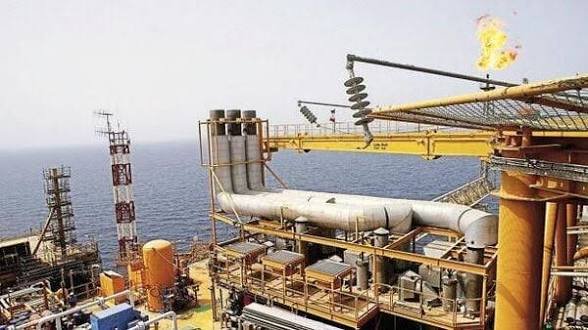
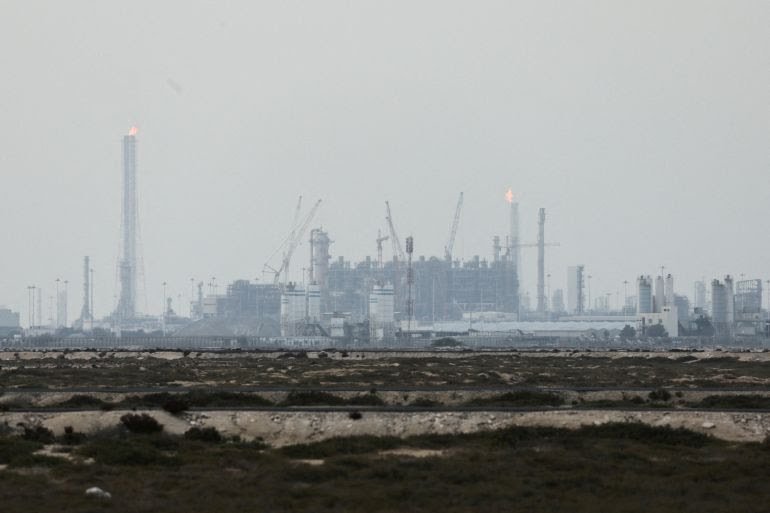
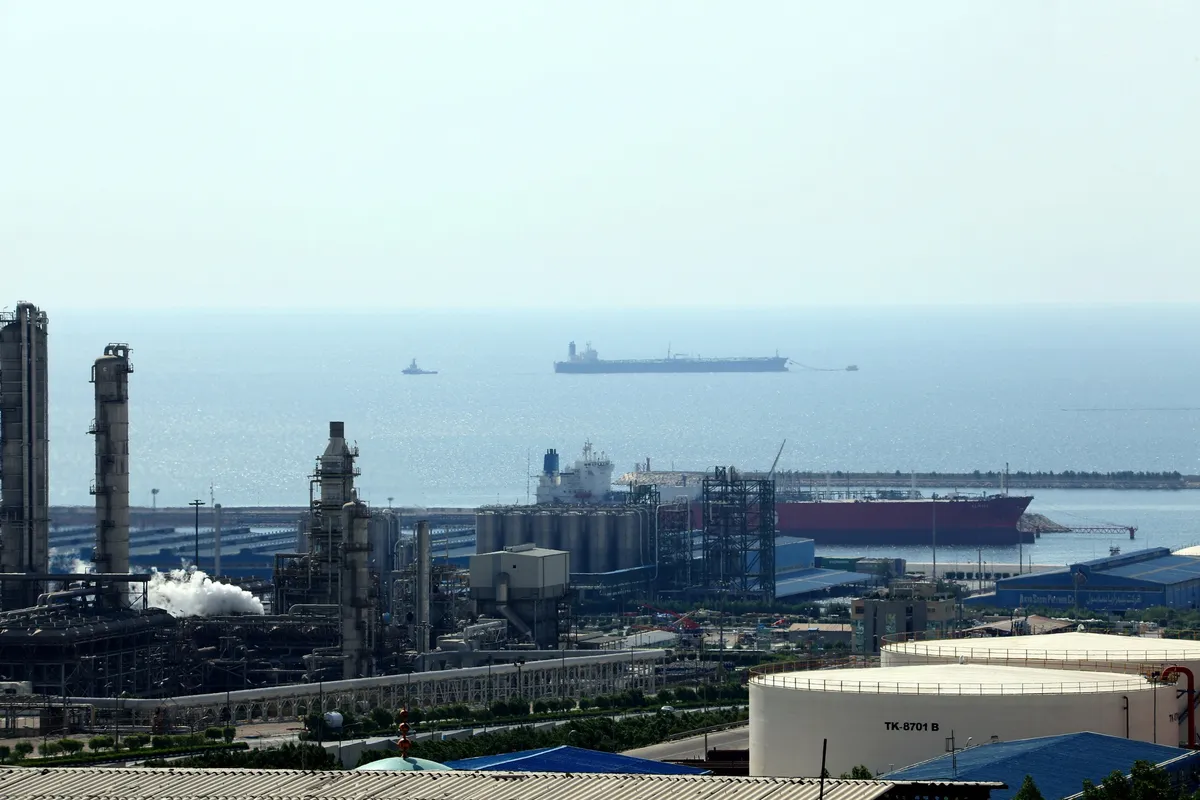
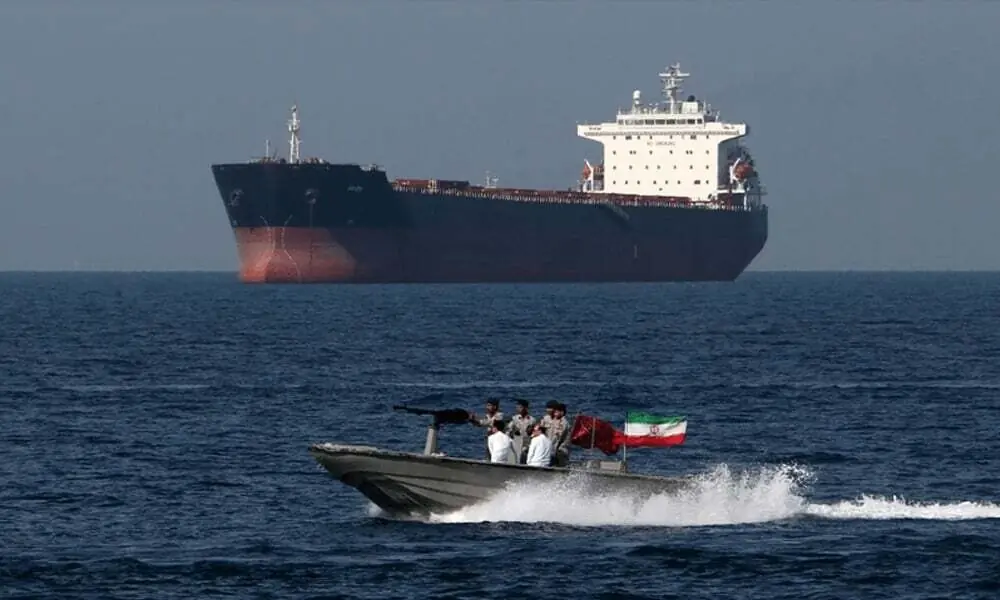
The intensifying conflict has also had global implications. Iran recently moved to shut down the strategically vital Strait of Hormuz, a narrow waterway through which roughly one-fifth of the world’s oil supply normally passes. The closure has sparked concern among international markets and governments about potential disruptions to global energy supplies.
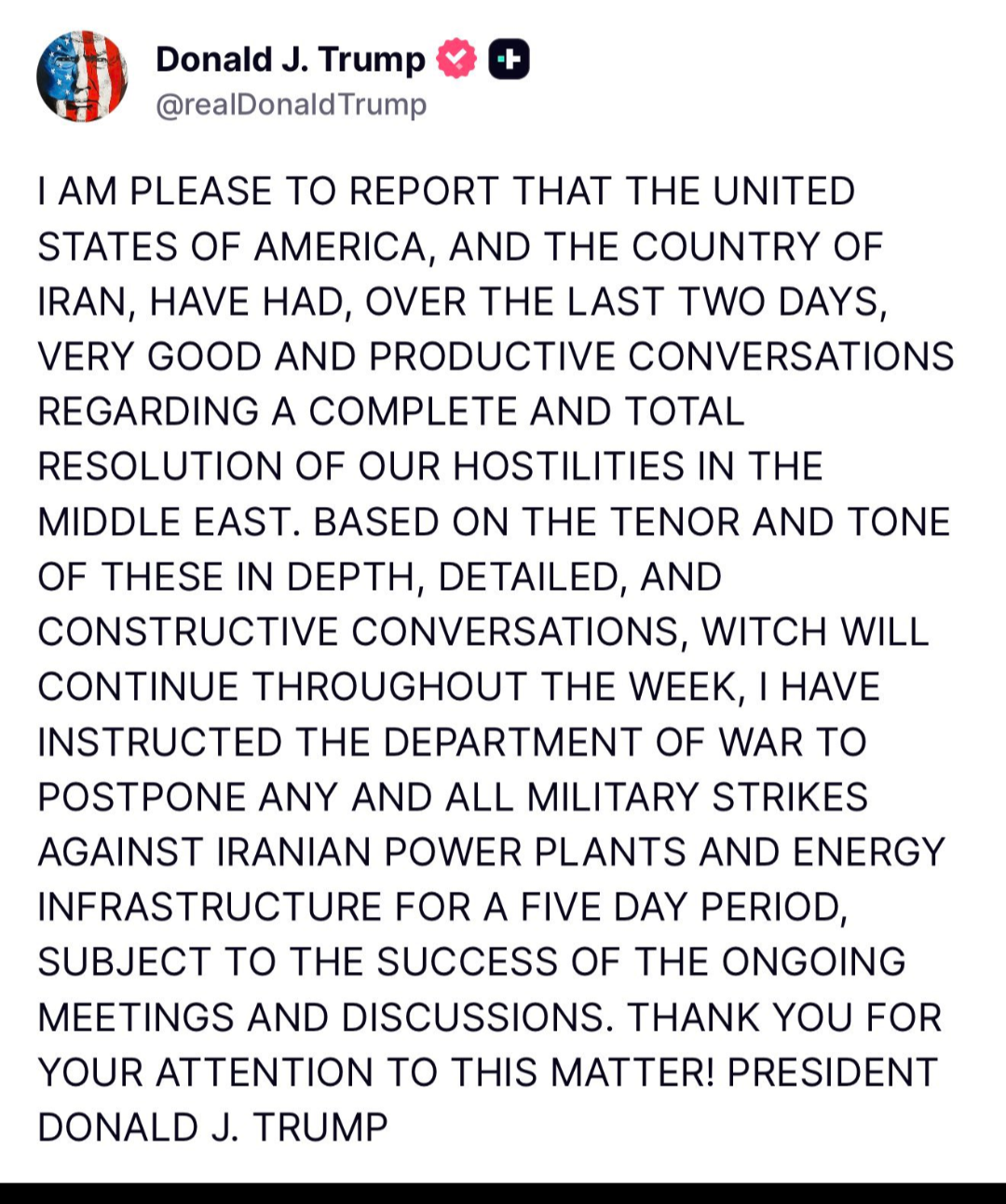
Despite growing international calls for restraint and de-escalation, neither Washington nor Tel Aviv has signaled any immediate plans to halt their military operations against Iran.
For many Iranians gathered in Tehran, however, the Al-Quds Day demonstration served not only as a show of support for Palestinians but also as a display of defiance amid one of the most volatile regional crises in recent years.


Leave a Reply