

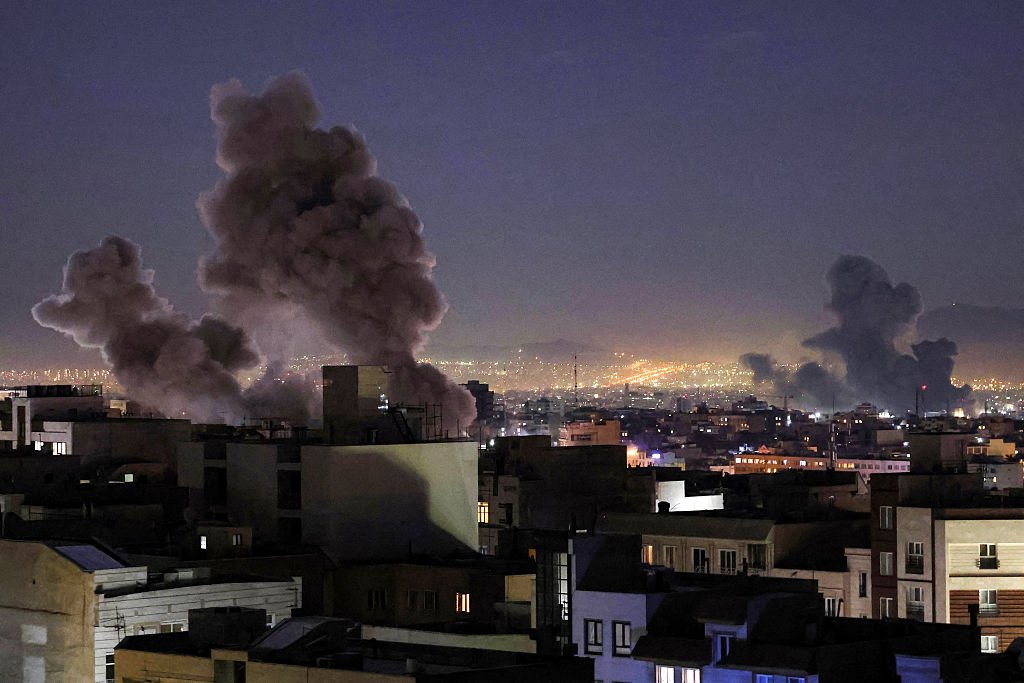
As the Middle East conflict intensifies, a growing number of analysts argue that the United States has yet to articulate a convincing narrative of how the war could end in a clear strategic victory.
Since the confrontation with Iran escalated following joint military strikes by the U.S. and Israel, Washington has emphasized deterrence and military pressure. However, critics say the administration has not clearly defined what specific political or military outcome would constitute success.
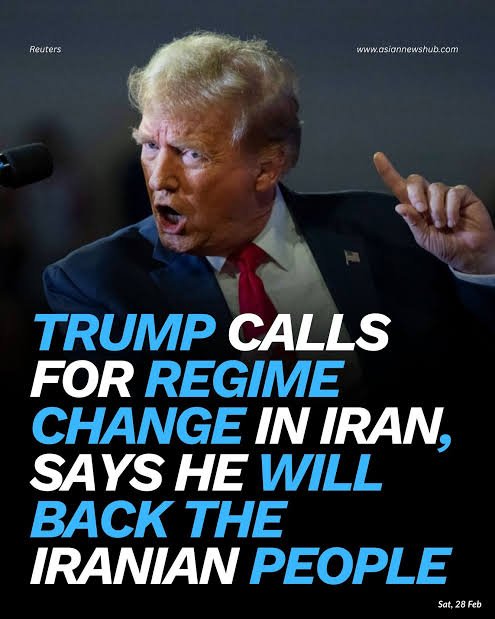
Strategists note that modern conflicts require more than battlefield dominance; they also demand a coherent political objective that can be communicated to domestic audiences, allies, and adversaries alike. Without a defined end-state—such as regime change, containment, or negotiated settlement—military operations risk drifting without a clear strategic direction.
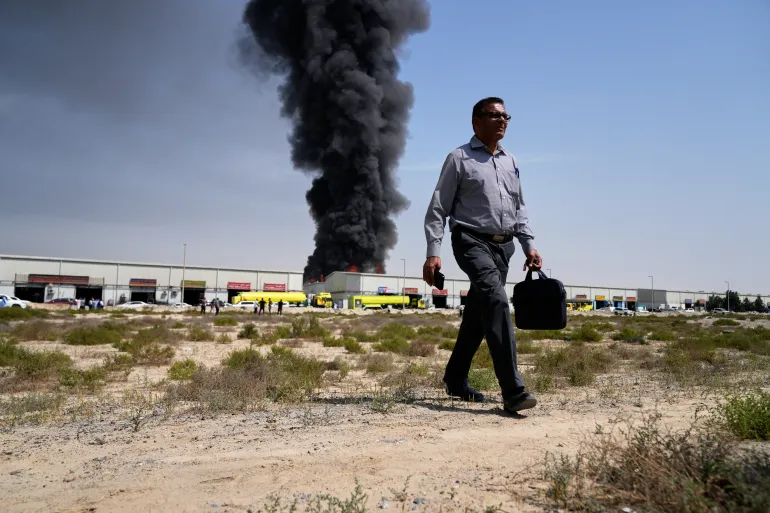
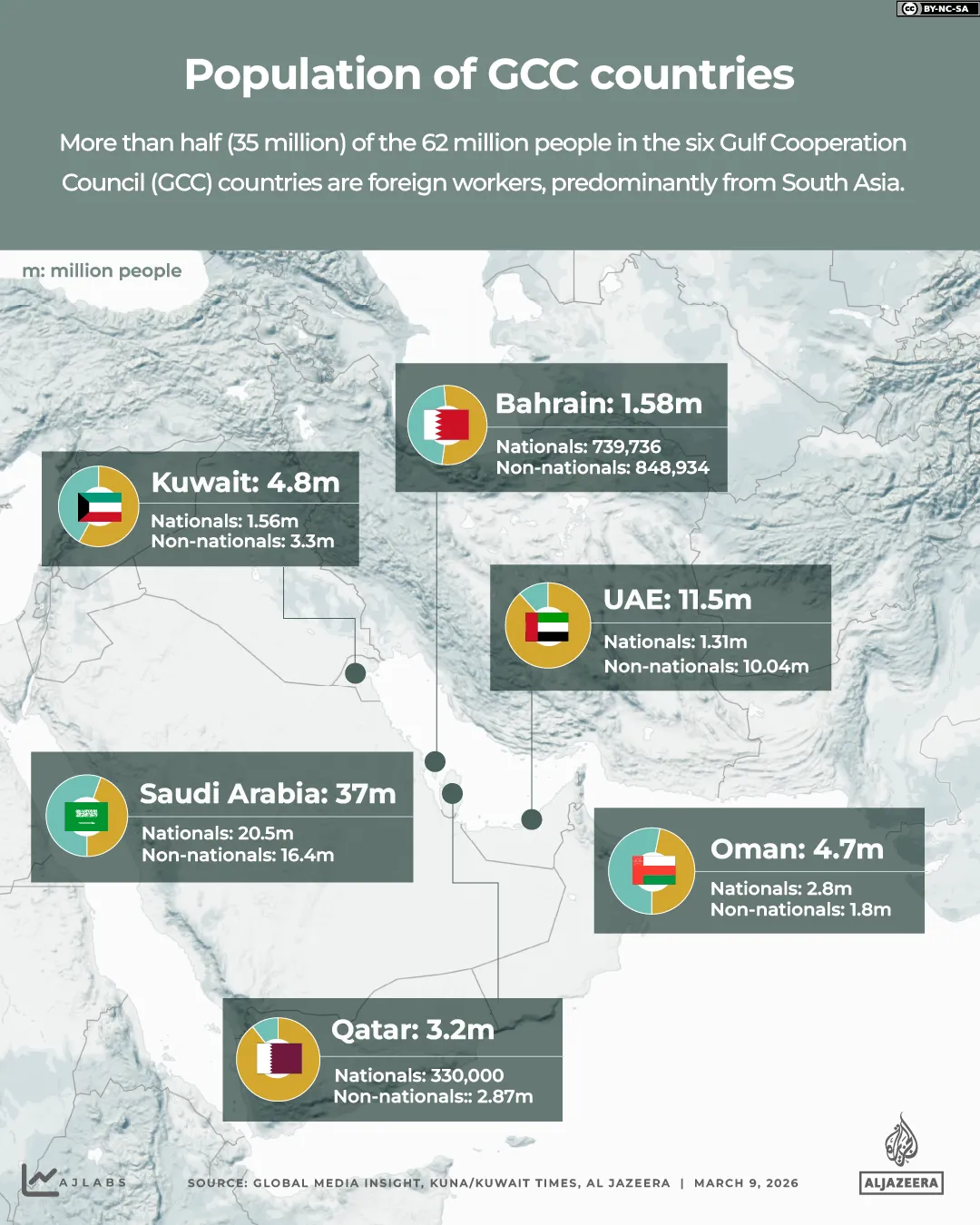
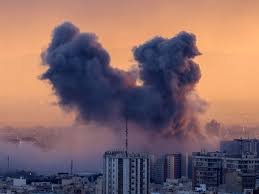
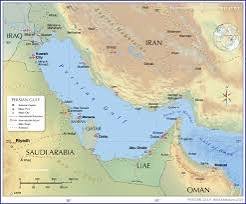
Meanwhile, Iran’s retaliatory missile and drone strikes across the region have expanded the scope of the confrontation, drawing Gulf countries into the crisis and raising fears of a wider regional war. The resulting instability has already disrupted global markets, aviation routes, and energy supplies.
Diplomatic observers warn that unless Washington clarifies its long-term objectives, the conflict could evolve into a prolonged confrontation with unpredictable consequences for the region and the global economy.











Leave a Reply