

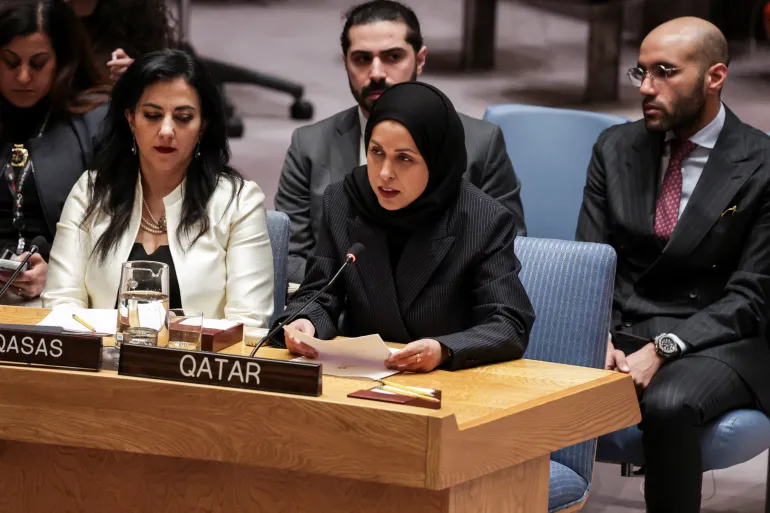
Alya Ahmed bin Saif Al Thani has warned that the failure of the United Nations Security Council to take decisive action to stop the ongoing conflict in the Middle East would send what she described as a dangerous signal to the international community.
Speaking to reporters in New York City, the Qatari ambassador urged the Security Council to fulfill its responsibility of maintaining international peace and security and to take immediate steps to halt the growing violence in the region.
She said that the continued targeting of Qatari territory by the Islamic Republic of Iran was deeply concerning and did not reflect goodwill between the two countries.
According to the ambassador, such actions risk undermining the diplomatic foundations on which bilateral relations between Doha and Tehran have historically been built. She stressed that the attacks have created serious tensions and raised questions about the future direction of relations between the neighboring states.
“The continued targeting of our territory by the Islamic Republic of Iran does not reflect good faith, and impacts deeply the understanding of bilateral issues upon which our relations have been built,” she told journalists.
The Qatari envoy also emphasized that the international community, particularly the UN Security Council, must not remain passive while regional tensions continue to escalate.
“The Security Council must act and fulfill its responsibility,” she said. “Failure to respond would send a dangerous signal that attacks against uninvolved neighbours carry no consequences.”
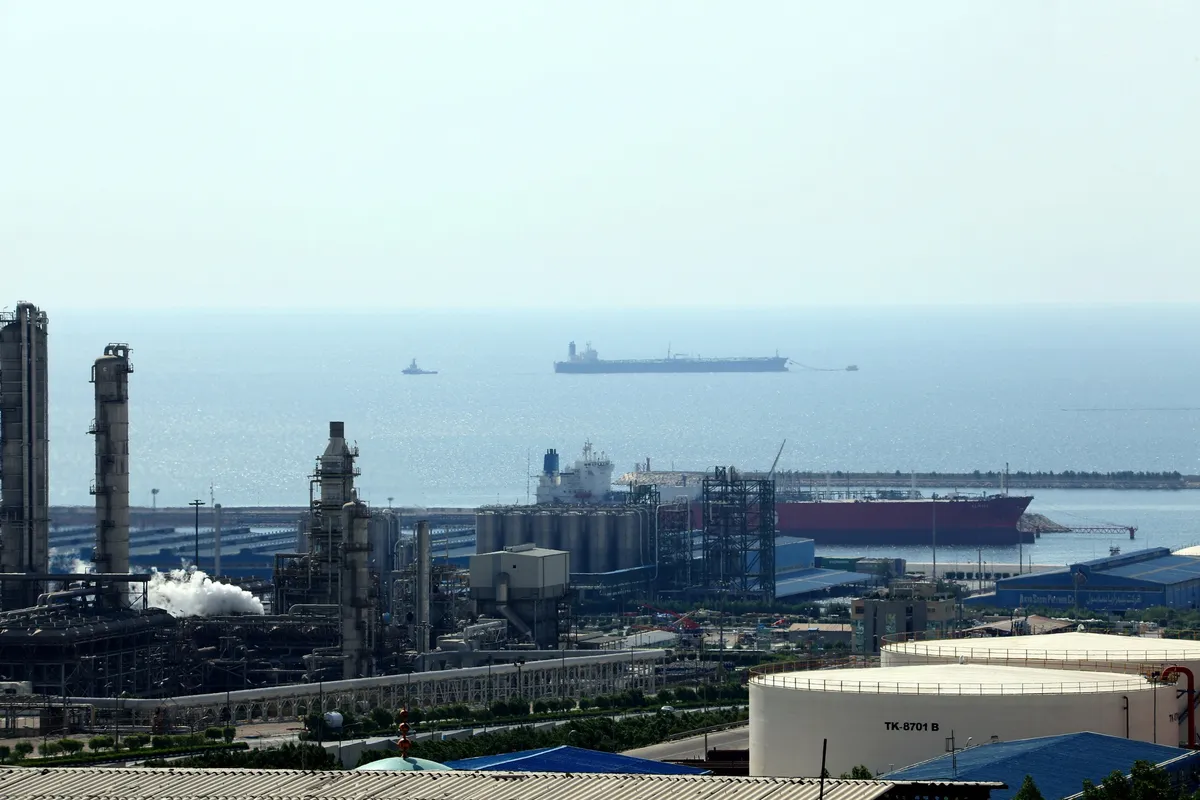
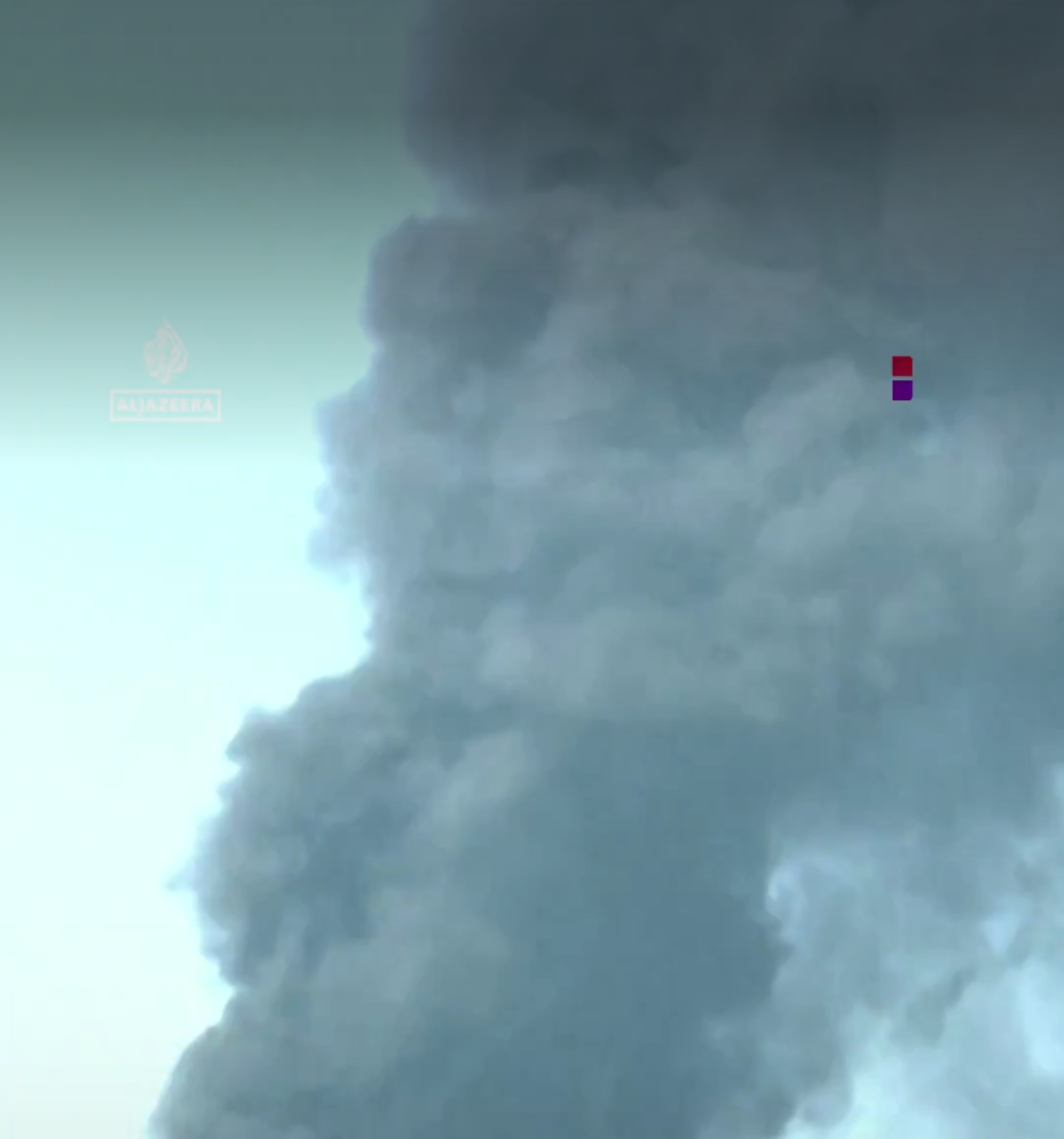
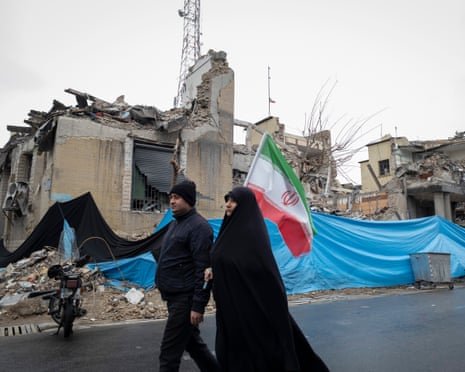
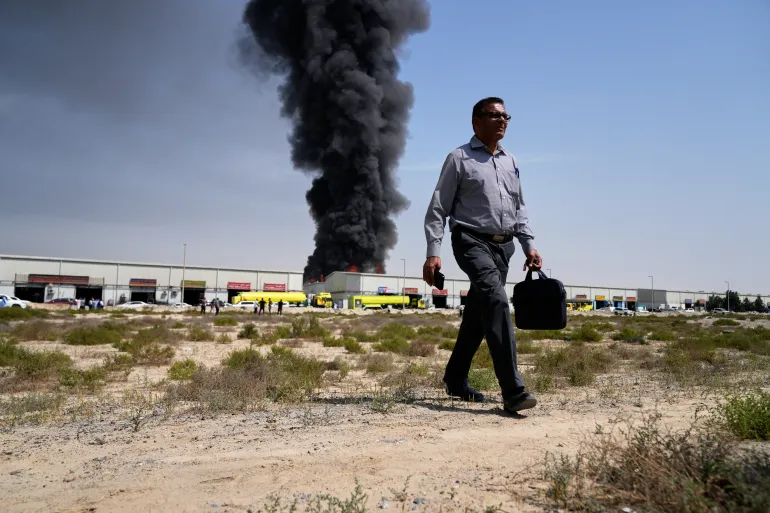
Her remarks come at a time when the Middle East is witnessing one of its most serious escalations in recent years, with missile strikes, drone attacks and military operations spreading across several countries in the region.
Regional analysts say that the conflict has increasingly begun to affect states that are not directly involved in the confrontation, raising fears that the crisis could expand into a broader regional war if diplomatic efforts fail.
Qatar, which maintains diplomatic relations with various regional powers and has frequently played the role of mediator in regional disputes, has repeatedly called for de-escalation and dialogue.
Diplomats at the United Nations say that the issue is expected to be raised in further discussions within the Security Council, where member states may consider possible measures aimed at preventing further escalation and protecting countries not directly involved in the conflict.
Observers warn that if attacks against neighbouring states continue without a coordinated international response, it could further destabilize the region and weaken the credibility of international mechanisms designed to maintain global peace and security.


Leave a Reply