

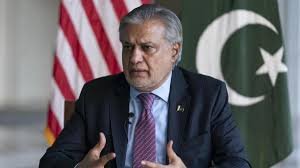
Deputy PM highlights strategic alignment with Riyadh and broader push to deepen partnerships across Middle East and Asia
Pakistan’s deputy prime minister, Ishaq Dar, said on Wednesday that a landmark defence agreement with Saudi Arabia had elevated bilateral relations to “new heights”, describing close ties with Arab and Islamic nations as a cornerstone of Islamabad’s foreign policy.
Speaking at the Pakistan Governance Forum 2026 in Islamabad, Dar said the Strategic Mutual Defence Agreement signed on 17 September last year formalised decades of security cooperation by pledging that aggression against one country would be treated as an attack on both.
“In the Middle East, our landmark Strategic Mutual Defence Agreement with Saudi Arabia has elevated our brotherly ties to new heights,” he said during remarks on navigating international relations amid shifting geopolitics.
Pakistan and Saudi Arabia also agreed in October 2025 to launch a new economic cooperation framework aimed at strengthening trade and investment links.
Dar said Islamabad had reinforced partnerships with other regional states, including the United Arab Emirates, Qatar, Jordan, Oman, Egypt and Bahrain, citing agreements in investment, agriculture, infrastructure and energy.
He also pointed to recent visits by leaders from Central Asia — including Kazakhstan, Uzbekistan and Kyrgyzstan — as evidence of expanding regional cooperation.
On South Asia, Dar said Pakistan had turned its ties with Bangladesh into what he called a “substantive partnership”, while launching a trilateral mechanism with China and Bangladesh to deepen regional coordination.
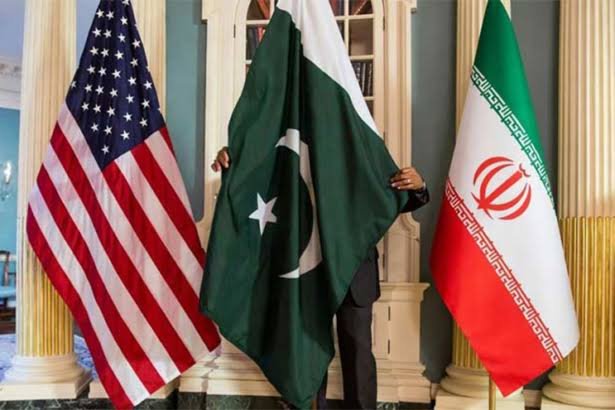
He reiterated Islamabad’s commitment to its “all-weather” partnership with China under the second phase of the China-Pakistan Economic Corridor, and said relations with the United States had been reinvigorated through expanded cooperation in trade, technology and regional stability.
“This calibrated approach has enhanced our ability to navigate complexity with skill and confidence,” Dar said, “ensuring that our national interests are served without compromising our core foreign policy principles.”








Leave a Reply