

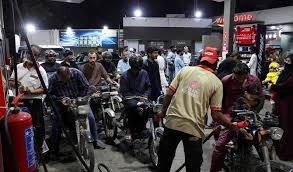
The government of Pakistan has begun reviewing the implementation of nationwide austerity measures introduced to manage economic pressures arising from surging global oil prices and disruptions to energy supply routes linked to the ongoing conflict in the Middle East.
A high-level meeting in Islamabad was chaired by Deputy Prime Minister and Foreign Minister Ishaq Dar to assess progress on the government’s conservation and expenditure-reduction strategy.
The meeting was held under the framework of the Committee for Monitoring and Implementation of Conservation and Additional Austerity Measures, established on the directions of Prime Minister Shehbaz Sharif.
Officials from federal ministries and provincial administrations participated in the review session, providing updates on the execution of cost-cutting steps announced earlier in the week as the global energy market reacts to escalating geopolitical tensions.
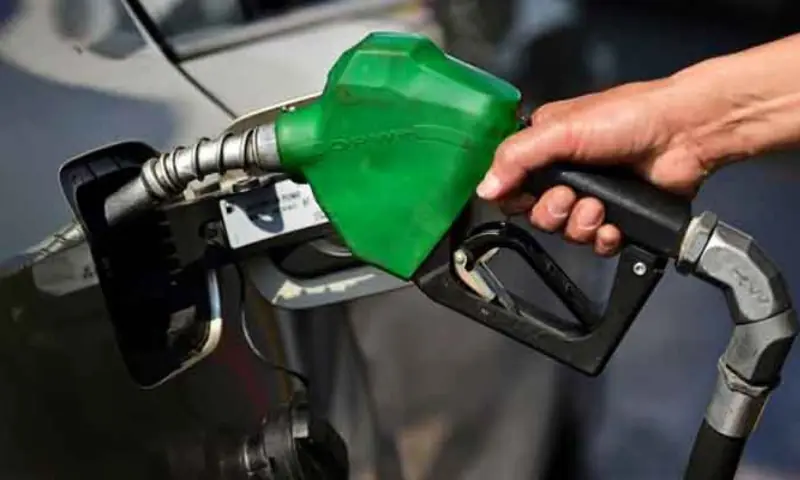
The government’s austerity plan includes several immediate measures designed to reduce fuel consumption and lower public expenditure. Among the steps announced are the introduction of a four-day work week for government offices, allowing half of government employees to work remotely, and reducing fuel allocations for official vehicles.
Authorities have also decided to ground a significant portion of the government vehicle fleet and implement stricter monitoring of departmental spending across ministries and divisions.
Another temporary measure includes the closure of educational institutions for two weeks as part of a nationwide effort to conserve fuel and electricity while global energy markets remain volatile.
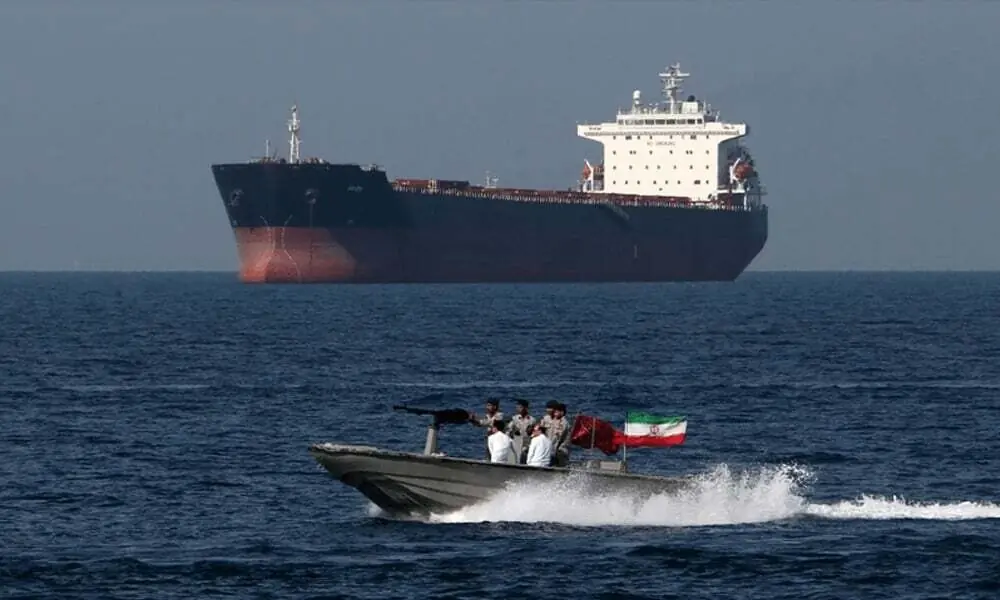
Officials said the policy package was introduced after international oil prices rose sharply following disruptions in shipping routes in the Strait of Hormuz, a key corridor through which a large share of global oil exports pass.
Pakistan’s economy is particularly sensitive to fluctuations in international oil markets because the country imports a large portion of its energy requirements. Sudden increases in oil prices place additional pressure on foreign exchange reserves, transportation costs and domestic inflation.
During the meeting, participants also reviewed plans to reduce administrative expenditures and implement deductions from salaries of senior government officials earning more than Rs300,000 per month.
According to officials, the austerity policy aims to promote fiscal discipline while ensuring that public resources are used efficiently during the ongoing global economic uncertainty.
Speaking after the meeting, Dar emphasized the importance of ensuring that the austerity measures are implemented strictly and transparently across the country. He said both federal and provincial authorities must coordinate closely to guarantee consistent enforcement of the policy.
He also stressed that ministries and departments should continue monitoring compliance and regularly report progress to the federal government to maintain accountability.
The government believes the measures will help Pakistan navigate economic challenges triggered by the broader geopolitical crisis affecting global trade and energy supply chains.
Analysts say that prolonged instability in Middle Eastern energy routes could significantly affect fuel-importing economies like Pakistan. Continued disruptions to oil shipments through strategic maritime routes, combined with rising shipping insurance costs and supply uncertainty, may increase economic pressures on countries that rely heavily on imported energy.
Officials in Islamabad say the austerity strategy is intended as a temporary but necessary response to the evolving global situation, aimed at protecting the national economy while international markets remain under strain.









Leave a Reply