

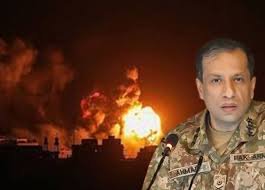
ISLAMABAD, Feb. 27, 2026 — Pakistan’s military said Friday that 12 soldiers had been killed in ongoing cross-border fighting with Afghan forces, as Kabul called for dialogue to ease the most serious flare-up in tensions between the neighbors in months.
The announcement came after days of escalating hostilities triggered by Pakistani airstrikes earlier this week on what Islamabad described as camps belonging to the Tehreek-e-Taliban Pakistan (TTP) and militants linked to the self-proclaimed Islamic State group inside Afghanistan.
At a news conference in Rawalpindi, Ahmed Sharif Chaudhry, director general of the Inter-Services Public Relations (ISPR), said Pakistani forces had repelled coordinated attacks at 53 points along the frontier as part of what he termed Operation “Ghazab lil-Haq.”
“While safeguarding Pakistan’s honor and territorial integrity, 12 brave soldiers have embraced martyrdom in the operation so far, while 27 have been injured and one soldier is missing in action,” Chaudhry said.
He added that 274 Afghan fighters had been killed and more than 400 injured, calling the figures “conservative estimates.” Seventy-three Afghan border posts were destroyed and 18 captured, he said. The claims could not be independently verified.
Afghan authorities earlier said 55 Pakistani soldiers were killed in retaliatory strikes and that several Pakistani posts were seized — assertions Islamabad rejected.
Accusations and counterclaims
Chaudhry accused the Taliban administration in Kabul of acting “in collusion and in support of an internationally declared terrorist organization,” alleging coordination with militant groups targeting Pakistan.
“The Afghan Taliban regime is the master proxy of these terrorist proxies which are operating from Afghanistan,” he said.
Kabul has repeatedly denied allowing militant groups to use Afghan territory to launch attacks across the border, saying Pakistan’s security challenges are internal.
Chaudhry said Pakistan had struck 22 locations across the border, including in Kabul, Kandahar, Paktia, Nangarhar, Khost and Paktika, and that targets were selected based on intelligence to avoid civilian casualties.
The 2,600-kilometer (1,600-mile) frontier — a vital trade and transit route — has remained largely closed since October 2025 amid recurring tensions.
Kabul urges talks
In Kabul, Taliban spokesperson Zabihullah Mujahid called for dialogue.
“We have always emphasized peaceful resolution, and now too we want the issue to be resolved through dialogue,” Mujahid said.
Afghanistan’s Ministry of National Defense said earlier it had conducted airstrikes inside Pakistan in response to what it described as Pakistani “aerial incursions” into Afghan territory.
Meanwhile, Pakistan’s information minister, Attaullah Tarar, said militants attempted to launch small drones into Abbottabad, Swabi and Nowshera, which he said were intercepted by Pakistani air defense systems without causing casualties.
Prime Minister Shehbaz Sharif visited General Headquarters in Rawalpindi on Friday for a security briefing. According to a statement from his office, Sharif declared “zero tolerance” for what he described as collusion between the Afghan Taliban administration and militant groups.
“Pakistan knows very well how to defend itself against any aggression,” the statement quoted him as saying.
Regional concern
The latest clashes mark the third major escalation between the two countries in less than a year. Previous confrontations led to weeklong fighting before regional mediation — including efforts by Qatar and Türkiye — helped secure a ceasefire in October.
China, Russia, Saudi Arabia and Iran have urged restraint as operations on both sides continued into Friday evening, raising concerns about further destabilization along one of South Asia’s most volatile borders.




Leave a Reply