

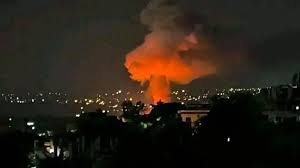
Islamabad, Feb 22: Pakistan carried out targeted strikes along its border with Afghanistan late Saturday night, saying the action was aimed at dismantling militant infrastructure blamed for a recent surge in deadly attacks across the country.
In a statement, Information Minister Attaullah Tarar said the military conducted intelligence-based, selective operations against seven camps belonging to Tehreek-e-Taliban Pakistan (TTP) and its affiliates in the border region. He added that an affiliate of the Islamic State group was also targeted. Officials did not disclose the precise locations of the strikes, but reports circulating on social media suggested that the operations may have taken place inside Afghan territory. There was no immediate response from Kabul.
The cross-border action came days after a string of high-profile attacks in Khyber Pakhtunkhwa. In Bajaur district, a suicide bomber backed by gunmen rammed an explosives-laden vehicle into a security post, causing part of the compound to collapse. The attack killed 11 soldiers and a child. Authorities later said the attacker was an Afghan national.
Earlier on Saturday, another suicide bomber targeted a security convoy in Bannu district, killing two soldiers, including a lieutenant colonel. The back-to-back assaults intensified pressure on the government and military to respond decisively.
Tarar said Pakistan possessed conclusive evidence that recent attacks, including a suicide bombing at a Shiite mosque in Islamabad that killed 31 worshippers earlier this month, were orchestrated by militants acting under the direction of Afghanistan-based leadership and handlers. He maintained that Islamabad had repeatedly urged Afghanistan’s Taliban authorities to take verifiable measures to prevent militant groups from using Afghan soil to launch attacks, but alleged that no meaningful action had followed.
Following the latest incidents, Pakistan’s military issued a stern warning that it would not exercise restraint in pursuing those responsible and that operations would continue irrespective of their location. The language signaled mounting frustration in Islamabad and the possibility of further cross-border actions.
Pakistan has experienced a marked rise in militant violence in recent years, much of it attributed to the TTP and outlawed Baloch separatist groups. Although separate from Afghanistan’s Taliban government, the TTP is considered closely aligned with it. Islamabad accuses the group of operating from sanctuaries inside Afghanistan, a charge denied by both the TTP and Kabul.
Relations between the two neighbouring countries have remained tense since October, when deadly border clashes left dozens of soldiers, civilians and suspected militants dead. While a Qatar-mediated ceasefire has largely held, subsequent talks in Istanbul failed to produce a formal framework for long-term stability.
Pakistan has called on the international community to press Afghanistan’s Taliban authorities to uphold their commitments under the Doha agreement not to allow their territory to be used against other states. Officials insist that while Pakistan seeks peace and stability in the region, safeguarding its citizens remains its foremost priority.










Leave a Reply