

Feb. 26, 2026 | Islamabad
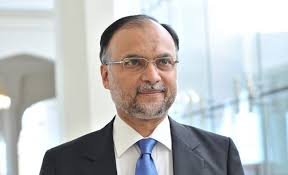
Pakistan could more than double the size of its economy to $1 trillion by 2035 if it accelerates structural reforms, strengthens governance, and harnesses emerging technologies, Planning Minister Ahsan Iqbal said on Wednesday, outlining an ambitious roadmap for the nation’s economic future at the Pakistan Governance Forum 2026.
Addressing policymakers, business leaders, and international observers in Islamabad, Iqbal emphasized that Pakistan faces a strategic choice: continue its traditional growth trajectory or pursue deeper, systemic reforms to unlock faster expansion. According to International Monetary Fund estimates, Pakistan’s economy stood at $410.5 billion in 2025. If the country maintains its historical growth rate, the economy could reach $600 billion by 2035. “However, with national cohesion, positive synergy and accelerated reforms, Pakistan can achieve the milestone of a $1 trillion economy,” Iqbal said.
He highlighted that achieving this target would depend not only on economic policy but also on leadership capacity, institutional efficiency, and close coordination between the federal and provincial governments. “Economic transformation is not a question of resources alone. It is about governance, integrity, and continuity,” he said.
Five Pillars for Growth
Iqbal outlined the government’s “Five Es” framework as the backbone of long-term growth:
- Exports: Expanding global market access to push exports beyond $100 billion, including value-added goods and services.
- E-Pakistan: Leveraging digital technologies, artificial intelligence, and innovation to enhance productivity.
- Environment and Climate Change: Integrating climate resilience into infrastructure and industry planning.
- Energy and Infrastructure: Investing in reliable power supply, transportation, and logistics networks.
- Equity and Empowerment: Expanding human capital development, education, and skill-building to empower marginalized communities.
The minister underscored structural gaps that must be addressed to achieve such transformation: Pakistan’s 2.55 percent annual population growth, 40 percent child stunting rate, 25 million out-of-school children, and a low tax-to-GDP ratio of roughly 10 percent.
Iqal also compared the country’s remittance inflows from about nine million overseas Pakistanis — nearly $40 billion annually — to exports generated by a domestic population of 240 million, noting a significant productivity gap. “We need to harness the full potential of our population through innovation, governance reform, and technology adoption,” he said.
Iqal called for political unity around development goals, describing an “economic long march” that would prioritize national prosperity over political confrontation.











Leave a Reply