

Amid escalating tensions in the Middle East, Pakistan’s government held high-level consultations with the country’s banking sector on Wednesday to review potential economic risks and ensure continued financial stability.
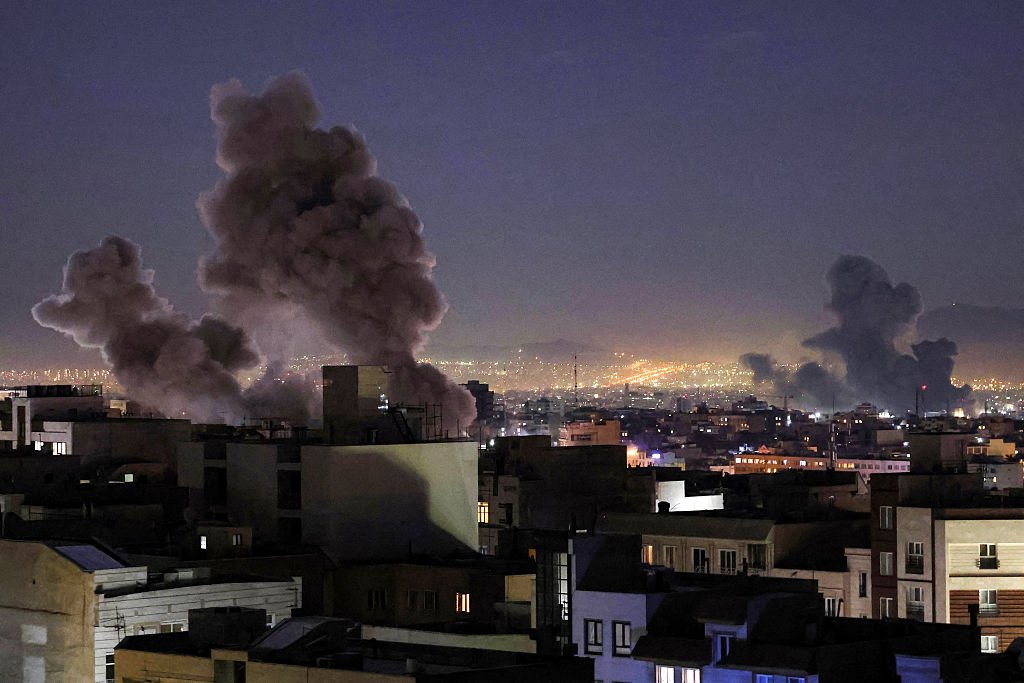
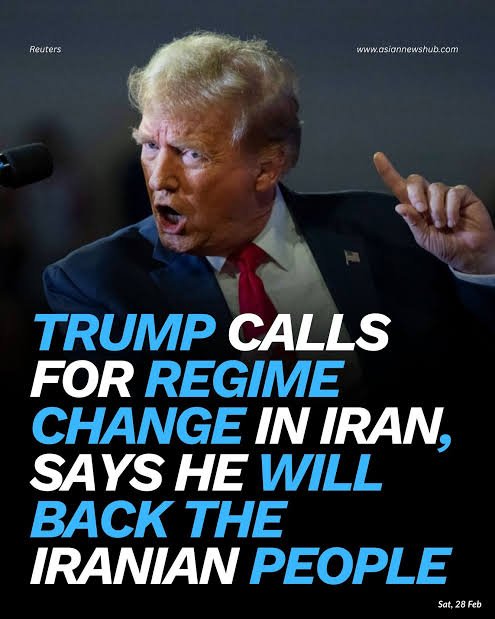
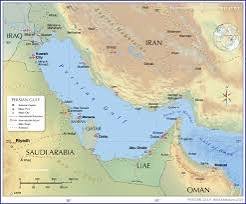
Finance Minister Muhammad Aurangzeb conducted a virtual meeting with senior representatives of the Pakistan Banks’ Association to discuss the impact of the ongoing conflict involving the United States, Israel and Iran on global financial and energy markets.
Officials said the meeting focused on the risks posed to Pakistan’s import-dependent economy, including potential disruptions to energy supplies, fluctuations in fuel prices, and broader effects on inflation and external accounts.
“The discussion focused on the evolving economic and financial situation in light of prevailing regional developments and the importance of close coordination between the government, the State Bank of Pakistan, and the banking sector to ensure financial stability and uninterrupted financial services,” the finance ministry said in a statement following the meeting.
Aurangzeb highlighted that the government had established a high-level coordination mechanism linking key economic ministries and institutions to continuously monitor global developments. Authorities are conducting scenario analyses to anticipate possible impacts on macroeconomic stability, energy supply chains, and inflation while maintaining essential services.
“The government remains engaged with relevant stakeholders and international partners as part of its efforts to safeguard the country’s economic interests,” the minister said. He stressed the need for coordinated decision-making and operational resilience within the financial sector to support businesses and consumers during periods of uncertainty.
Zafar Masud, chairman of the Pakistan Banks’ Association, briefed the minister on internal banking sector preparations. He explained that financial institutions have set up a coordination framework for timely information sharing and consultation to ensure uninterrupted operations and the smooth functioning of payment systems.
Masud added that banks would continue to work closely with the State Bank of Pakistan and other relevant authorities, maintaining ongoing dialogue and monitoring developments to support stability in the financial markets.
The consultations reflect Islamabad’s efforts to mitigate the economic effects of the Middle East conflict, particularly as volatile oil prices and global supply chain uncertainties threaten Pakistan’s energy-dependent economy. Analysts say coordinated engagement between the government and banking sector will be crucial in maintaining confidence and preventing disruptions in financial services during the ongoing crisis.







Leave a Reply