

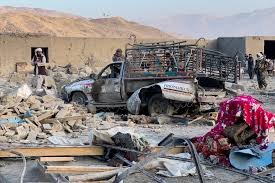
Islamabad, February 22, 2026 — In one of the most significant cross-border actions in recent months, Pakistan’s armed forces conducted coordinated precision strikes on seven militant camps and hideouts along the Pakistan-Afghanistan border early Sunday, officials confirmed. The operation was described as a direct and proportionate response to a string of deadly suicide bombings that have shaken the country in recent weeks.
In an official statement, the Ministry of Information and Broadcasting said the targeted sites were being used by the banned Tehreek-i-Taliban Pakistan (TTP), referred to by the state as Fitna al Khawarij, along with its affiliates and fighters linked to the Islamic State – Khorasan Province (ISKP). The ministry stated that the operation was based on credible intelligence and involved “selective targeting” to dismantle terrorist infrastructure responsible for planning and executing attacks inside Pakistan.
According to officials, the strikes were carried out in border regions where militant networks have allegedly maintained training camps, logistical hubs and safe havens. While the government did not disclose operational details or casualty figures, it described the action as “measured, precise and intelligence-driven.”
The decision to strike followed a series of recent suicide bombings, including an attack at an Imam Bargah in Islamabad, separate blasts in Bajaur and Bannu, and another suicide bombing in Bannu during the holy month of Ramazan. Security officials said the pattern of attacks indicated coordinated planning from across the border.
The ministry asserted that Pakistan possessed “conclusive evidence” that the recent acts of terrorism were orchestrated by militant leadership based in Afghanistan. It added that responsibility for several of the attacks had been claimed by factions affiliated with the TTP and ISKP operating from Afghan soil.
The military’s media wing, Inter-Services Public Relations (ISPR), said the strikes were undertaken as a “retributive response” and reaffirmed that Pakistan would not allow terrorist groups to exploit cross-border sanctuaries. The ISPR emphasized that the safety and security of Pakistani citizens remained the country’s foremost priority and warned that operations against militants would continue wherever necessary.
Parliamentary Affairs Minister Tariq Fazal Chaudhry stated that the strikes, reportedly executed by the Pakistan Air Force, were a response to the “tears of every mother who has sacrificed her son for the homeland.” He said Pakistan desired peace but would not compromise on its sovereignty, land or people.
The escalation comes amid strained relations between Pakistan and Afghanistan since the Afghan Taliban’s return to power in 2021. Islamabad has repeatedly urged the interim Afghan government to take verifiable action against militant groups allegedly operating from its territory. Pakistani officials argue that those appeals have not resulted in meaningful enforcement on the ground.
Tensions intensified after the February 16 vehicle-borne suicide attack on a joint security forces post in Bajaur district near the Afghan border. Militants attempted to breach the Malangi check post and detonated an explosives-laden vehicle after an exchange of fire. Eleven soldiers were martyred in that assault, while a young girl lost her life and several civilians were injured when nearby structures were damaged.
Security investigators later identified the suicide bomber as an individual allegedly linked to militant elements with cross-border ties. The TTP claimed responsibility for the attack, further fueling Islamabad’s allegations of external facilitation.
Just days later, on February 21, a lieutenant colonel and a sepoy embraced martyrdom in a suicide attack during an intelligence-based operation in Bannu district of Khyber Pakhtunkhwa. Officials described the incident as part of a broader resurgence in militant violence targeting security forces and civilian populations.
Earlier this week, Defence Minister Khawaja Asif publicly warned that Pakistan would not hesitate to carry out strikes inside Afghanistan if attacks continued to emanate from across the border. He reiterated that military options remained viable and that Pakistan’s patience had limits.
The latest strikes are not unprecedented. In late 2025, border clashes and reported air operations in Afghan provinces bordering Pakistan led to significant casualties on both sides. Afghan Taliban officials have previously accused Pakistan of conducting air strikes inside their territory — allegations that Islamabad has often responded to cautiously without formal confirmation.
Diplomatic observers warn that the current escalation could further strain already fragile ties between Islamabad and Kabul. However, Pakistani authorities maintain that their actions are rooted in self-defence and consistent with international norms regarding counterterrorism.
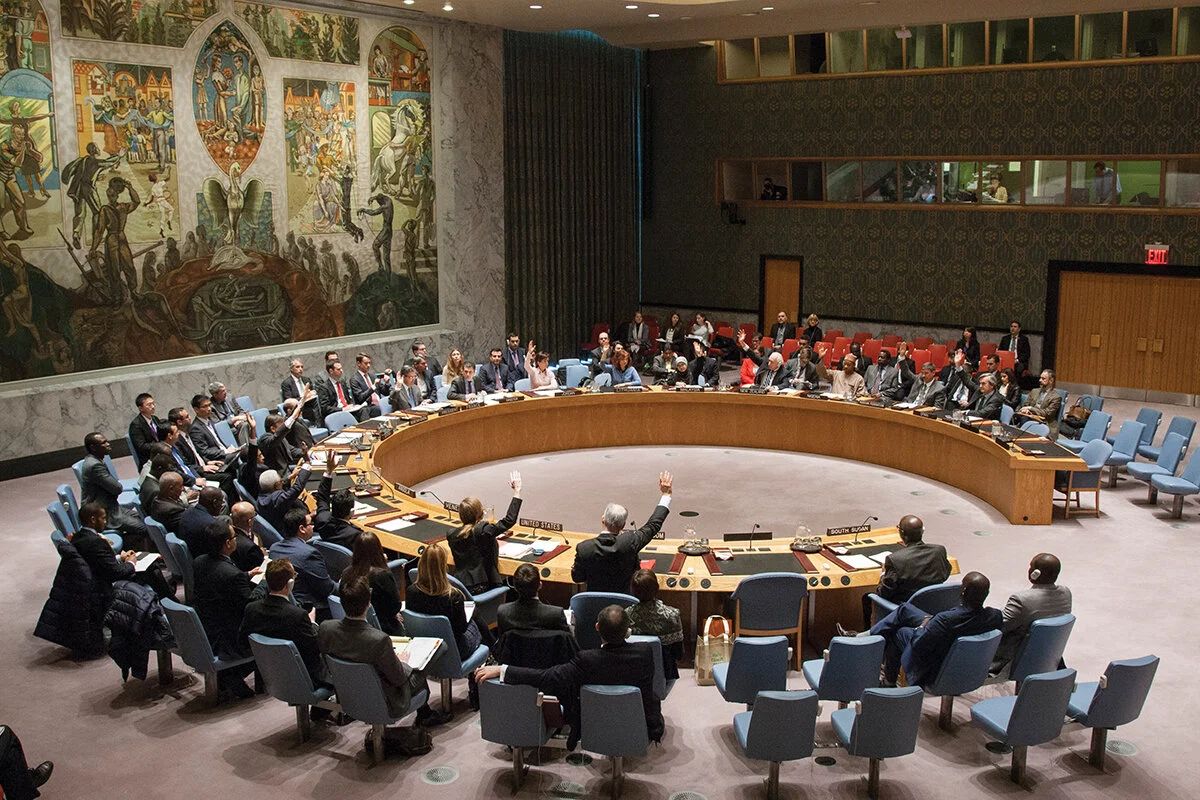
The government also called upon the international community to urge the Afghan authorities to fulfill commitments made under the Doha Agreement, particularly regarding preventing the use of Afghan soil for attacks against other countries. Officials argue that regional stability depends on credible counterterrorism measures and cross-border cooperation.
As security forces remain on high alert, analysts say the coming days will be critical in determining whether the situation stabilizes through diplomatic engagement or escalates further along one of the region’s most volatile frontiers.










Leave a Reply