

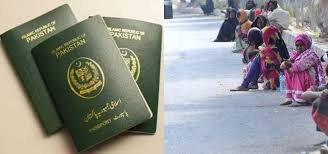
Feb. 26, 2026 | Islamabad
Pakistan has blocked several thousand passports and imposed travel bans of up to 10 years on citizens deported for begging in Gulf countries, a senior government minister said Wednesday, describing the move as part of a broader campaign to protect the country’s reputation as a labor exporter and to respond to complaints from foreign governments.
The minister for overseas Pakistanis, Chaudhry Salik Hussain, said authorities had seen a “drastic drop” in cases since the crackdown began last year. The effort targets individuals who travel abroad on religious or visit visas — often for Umrah — and then engage in street begging or other unauthorized activities.
“We are not sending the beggars abroad,” Mr. Hussain said at a governance forum in Islamabad. “They go through the normal process of getting a visa for Umrah and then start this work on the side.”
The campaign began after complaints from officials in Saudi Arabia and other Gulf states, where millions of Pakistani workers are employed. Pakistani authorities say informal networks — sometimes described as a “beggar mafia” — have facilitated travel for people who then solicit alms abroad, occasionally drawing arrests and deportations.
Under the new policy, the passports of deported offenders are blocked upon their return to Pakistan. The restrictions, enforced by the Federal Investigation Agency, bar individuals from obtaining new travel documents for five to 10 years, officials said.
“There is no visa for begging,” Mr. Hussain said. “They go on a normal visa. Every document is 100 percent correct.” He added that the government can act only after an individual has been caught and deported.
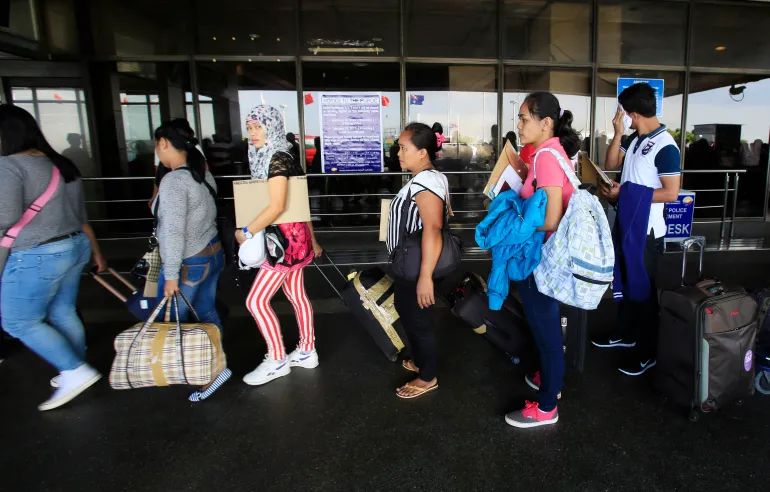
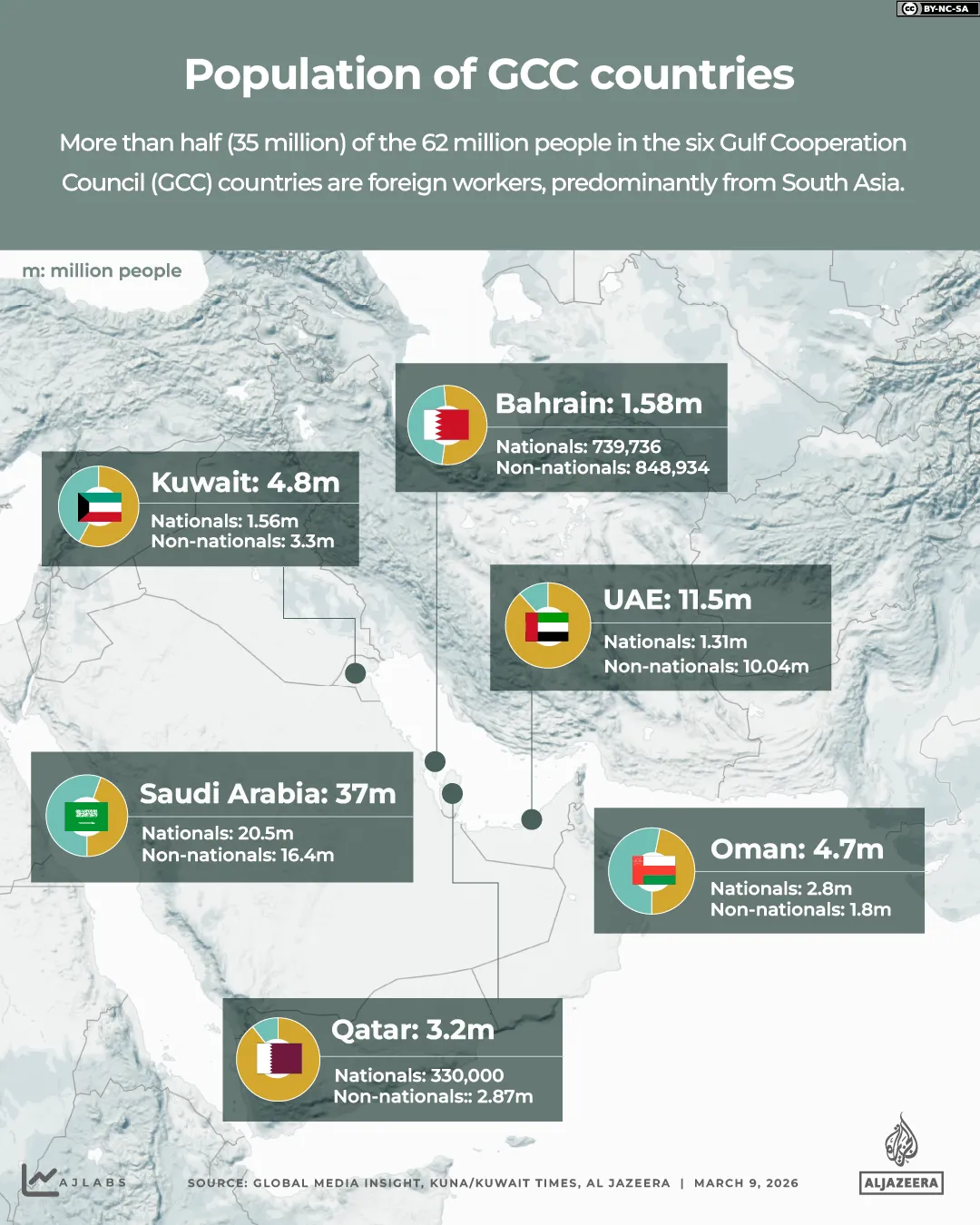
The issue has touched a sensitive nerve in Pakistan, where overseas employment is both an economic necessity and a point of national pride. Remittances from workers in the Gulf — including in Qatar, Bahrain and the United Arab Emirates — are a lifeline for the country’s fragile economy and have reached record levels in recent months.
With a large and growing youth population and limited domestic job opportunities, Pakistan has increasingly sought to expand labor exports while improving worker training. Mr. Hussain said the government plans to introduce compulsory soft-skills instruction for prospective migrants, from manual laborers to university graduates, to better prepare them for life abroad and to reduce friction with host countries.
“Our youth bulge is very high in Pakistan, and local industries are not enough to cater to that,” he said. “So we should at least find good jobs in foreign countries and send them there.”
The government is also moving to digitize overseas employment processes, an effort officials say will reduce corruption and curb the role of middlemen. “Problems and issues arise where humans interact with humans,” Mr. Hussain said. “We are moving toward maximum digitization.”
While the scale of the passport blocks has not been independently verified, officials say the measure is intended as a deterrent — signaling that those who damage Pakistan’s standing abroad may face long-term consequences at home.















Leave a Reply