

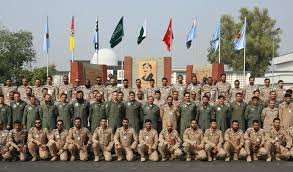
ISLAMABAD, Feb. 27, 2026 — Pakistan’s air chief on Friday underscored what he described as sweeping modernization efforts within the country’s air force, as the military commemorated the seventh anniversary of a 2019 aerial confrontation with India that brought the nuclear-armed rivals to the brink of wider conflict.
Speaking at a ceremony at Air Headquarters in Islamabad, Zaheer Ahmed Baber Sidhu said the Pakistan Air Force had pursued “comprehensive modernization and indigenization” to transform itself into what he called a “Next Generation Air Force.”
The event marked seven years since Operation Swift Retort, launched on Feb. 27, 2019, a day after India conducted airstrikes inside Pakistani territory following a suicide bombing in Indian-administered Kashmir that killed at least 40 Indian paramilitary personnel.
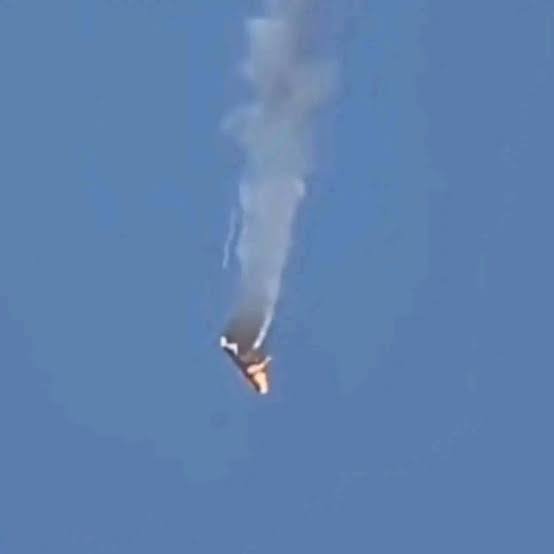
In the ensuing aerial exchanges, Pakistan carried out strikes across the Line of Control, the de facto border dividing Kashmir, and shot down an Indian fighter jet in a dogfight. The captured pilot was later returned to India, a move Islamabad described at the time as a gesture aimed at de-escalation.
According to a statement circulated by the military’s media wing, the Inter-Services Public Relations, Sidhu said the air force had recalibrated its operational doctrine and inducted advanced combat and support capabilities in recent years.
These included indigenously developed unmanned aerial systems, expanded electronic warfare tools and the integration of space and cyber capabilities. Sidhu described the resulting framework as a “home-grown multi-domain kill chain,” intended to enhance coordination across air, land, sea, cyber and space domains.
“Pakistan is a responsible country which desires peace with honor,” Sidhu said, adding that the air force remained prepared to respond decisively to any violation of the country’s sovereignty.
The anniversary comes amid heightened tensions on Pakistan’s western frontier with Afghanistan. Earlier this week, Islamabad said it carried out airstrikes inside Afghan territory targeting hideouts of the Tehreek-e-Taliban Pakistan (TTP) and militants affiliated with the self-proclaimed Islamic State, often referred to locally as Daesh.
Afghan authorities condemned the strikes and reported retaliatory military action, with clashes along parts of the border overnight. Pakistan has repeatedly accused Kabul of allowing militant groups to operate from Afghan soil to conduct cross-border attacks, an allegation Afghan officials deny.
Pakistani officials also said Friday that small drones launched from the Afghan side were intercepted and shot down by air defense systems, though independent verification was not immediately available.
In his remarks, Sidhu framed the modernization drive as essential to maintaining deterrence in an evolving security environment marked by regional rivalries and asymmetric threats.
“Our focus remains on credible deterrence, operational readiness and indigenous capability development,” he said, according to the military statement. “We will continue to maintain a vigilant yet responsible defense posture to safeguard national sovereignty.”













Leave a Reply