

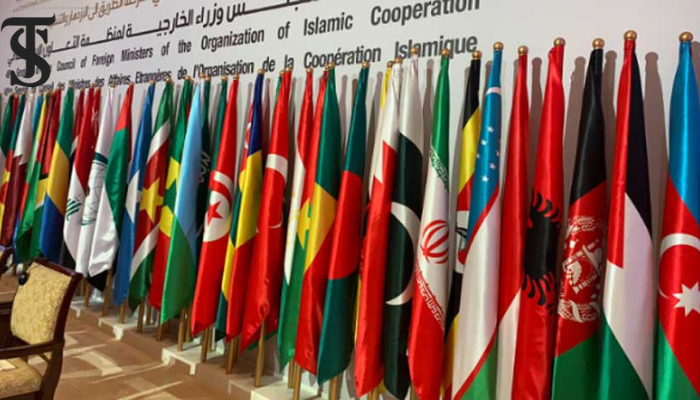
The US and Israel’s recent strikes on Iran, which reportedly killed Supreme Leader Ayatollah Ali Khamenei, its army chief, and former president Ahmadinejad, mark an unprecedented escalation in the Middle East. Yet the Organisation of Islamic Cooperation (OIC) and many Muslim-majority nations have remained frustratingly silent. This inaction exposes the limits of Muslim unity and the moral bankruptcy of international institutions when faced with blatant violations of sovereignty and international law.
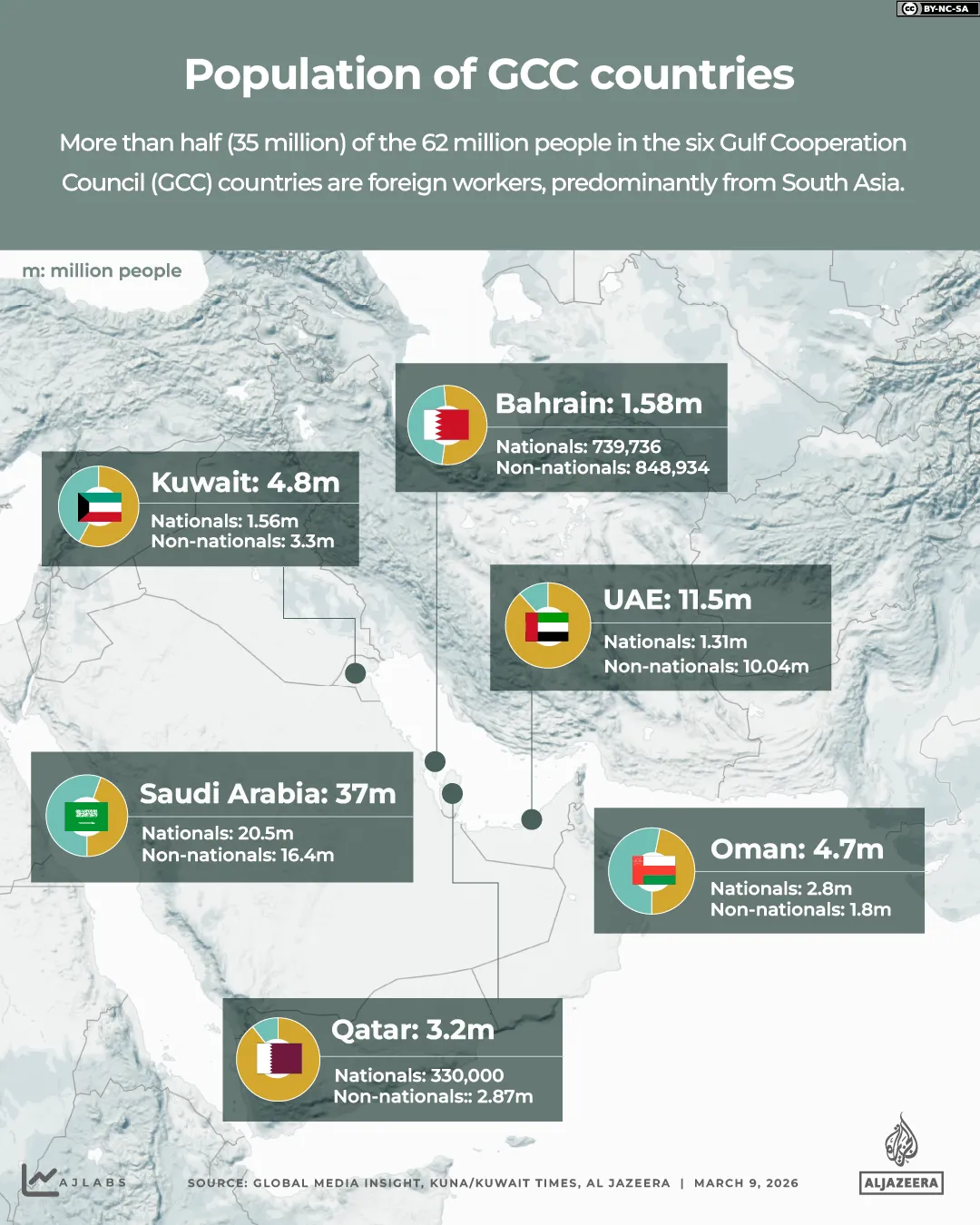
Geopolitical rivalries, especially between GCC states and Iran, and close ties with the US, have prevented a unified response. Instead, the focus has shifted to condemning Iran’s retaliatory strikes rather than addressing the original offensive. The OIC’s inability to take a firm stance diminishes its credibility and emboldens powers willing to violate international norms.
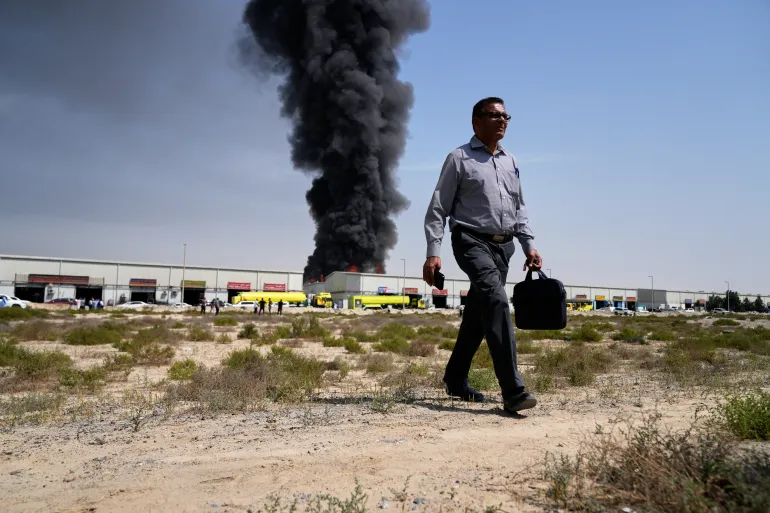
Meanwhile, the regional consequences are severe. Iran’s leadership vacuum and retaliatory posture raise the very real possibility of the closure of the Strait of Hormuz, through which nearly a fifth of global oil supply passes. Any disruption here could trigger a full-blown energy crisis, impacting global markets and pushing millions into economic instability.
The succession process in Iran remains uncertain, with an interim council taking charge and potential hardliners poised to consolidate power. This unpredictability, combined with OIC’s silence, risks escalating tensions into open conflict across the Middle East.
The time for diplomatic hedging has passed. The OIC and Muslim nations must act decisively to condemn aggression, mediate de-escalation, and prevent the region from plunging into a catastrophic war and global energy crisis. Silence is no longer an option.




Leave a Reply