

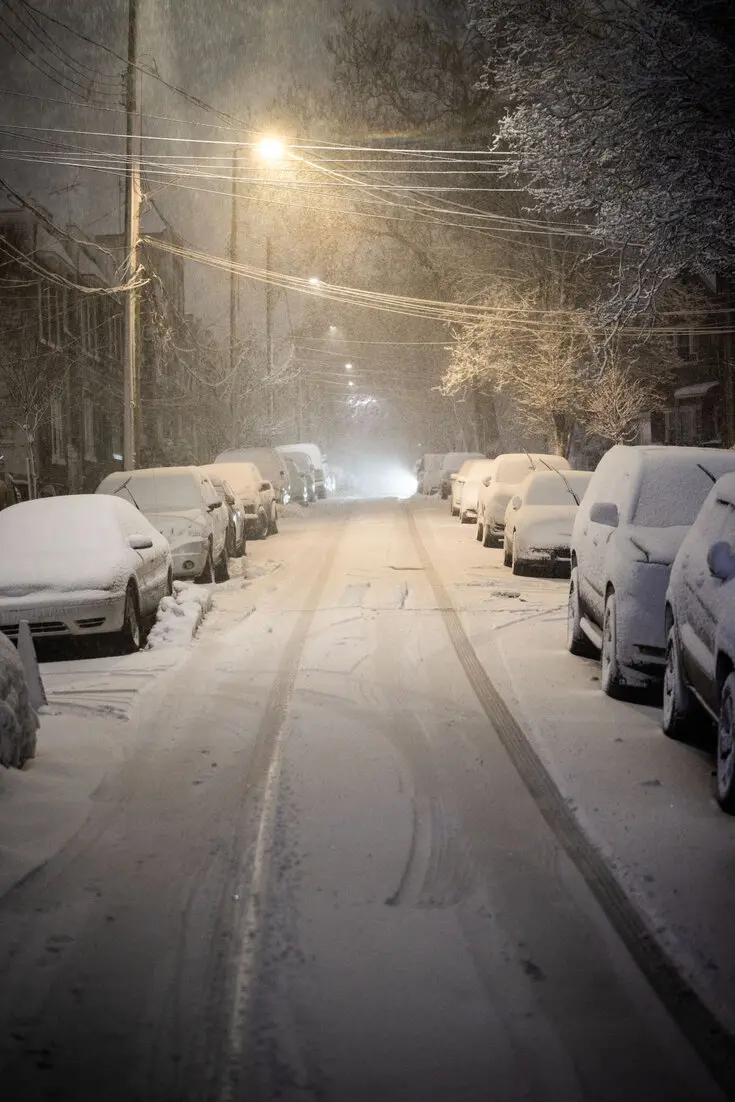
NEW YORK — A powerful winter storm swept across the northeastern United States on Monday, shutting down schools, grounding thousands of flights and prompting emergency declarations from New York to New England as officials warned residents to brace for heavy snowfall and punishing winds.
Mayor Zohran Mamdani declared a state of emergency in New York City, ordering nonessential vehicles off the roads from Sunday night through midday Monday to allow snowplows and emergency crews to operate. The city is under its first blizzard warning since 2017.
“I’m urging every New Yorker to please stay home,” the mayor said, announcing the closure of city offices for in-person services and directing nonessential municipal employees to work remotely.
The New York City Department of Education, the nation’s largest school district, canceled classes for the day, declaring a traditional snow day with no remote instruction and suspending after-school programs.
Across the region, governors activated emergency measures. Governor Kathy Hochul of New York deployed 100 National Guard members to assist in Long Island, New York City and the Lower Hudson Valley, where forecasters predicted the heaviest snowfall and strong coastal winds. Massachusetts Governor Maura Healey and New Jersey Governor Mikie Sherrill also declared states of emergency, urging residents to avoid unnecessary travel.
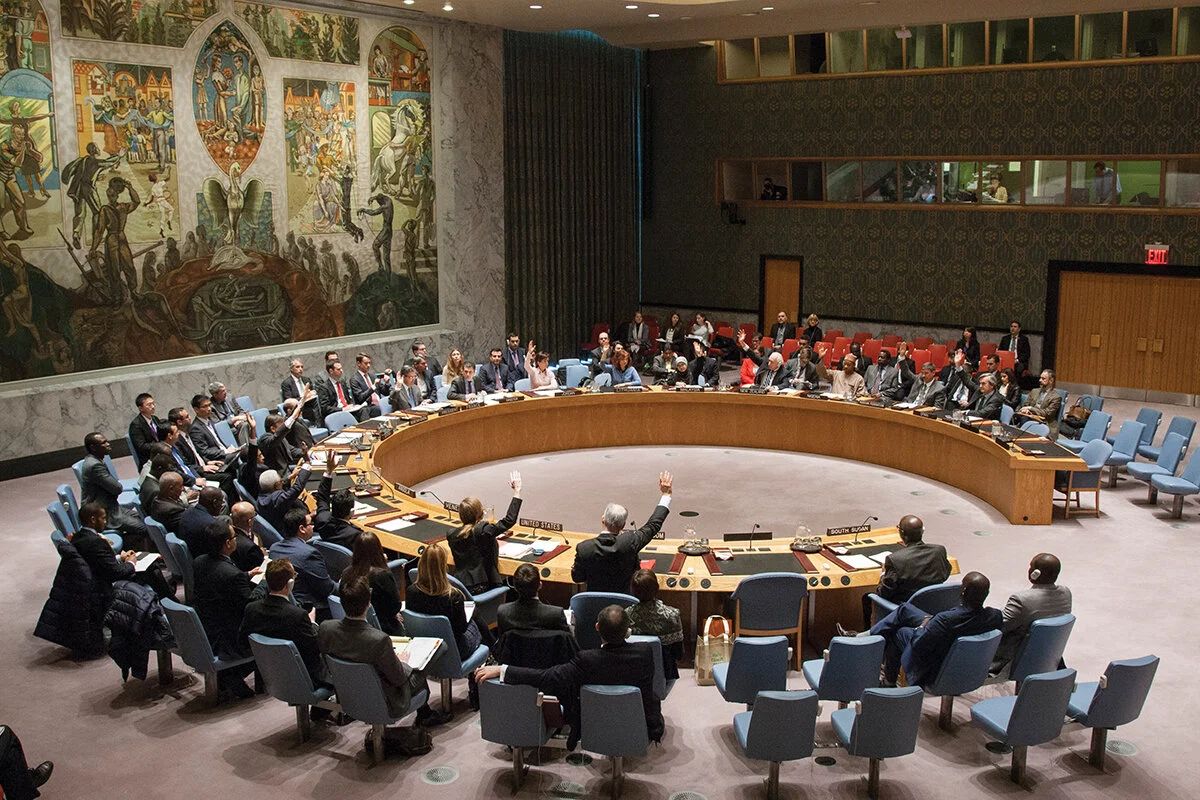
The storm’s reach extended beyond city streets. The United Nations headquarters complex in Manhattan closed for the day. The US Postal Service warned that mail and package delivery across parts of the Northeast could face delays.
Air travel was among the earliest casualties. According to FlightAware, more than 5,000 flights were canceled nationwide for Monday, with disruptions concentrated at major Northeast airports. Transit systems curtailed service, with New Jersey Transit suspending buses and rail lines statewide until conditions improve.
Forecasters said some areas could receive up to two feet of snow, with wind gusts reaching 70 miles per hour — conditions capable of toppling trees and downing power lines. The Federal Emergency Management Agency said its disaster-response operations were continuing despite a broader funding lapse at the Department of Homeland Security.
The storm blanketed residential neighborhoods in Brooklyn and beyond, turning streets into corridors of blowing snow and reducing visibility to near zero at times. For millions of residents, officials said, the safest course was simple: stay indoors and wait for the storm to pass.


















Leave a Reply