

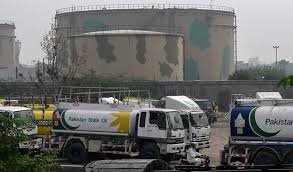
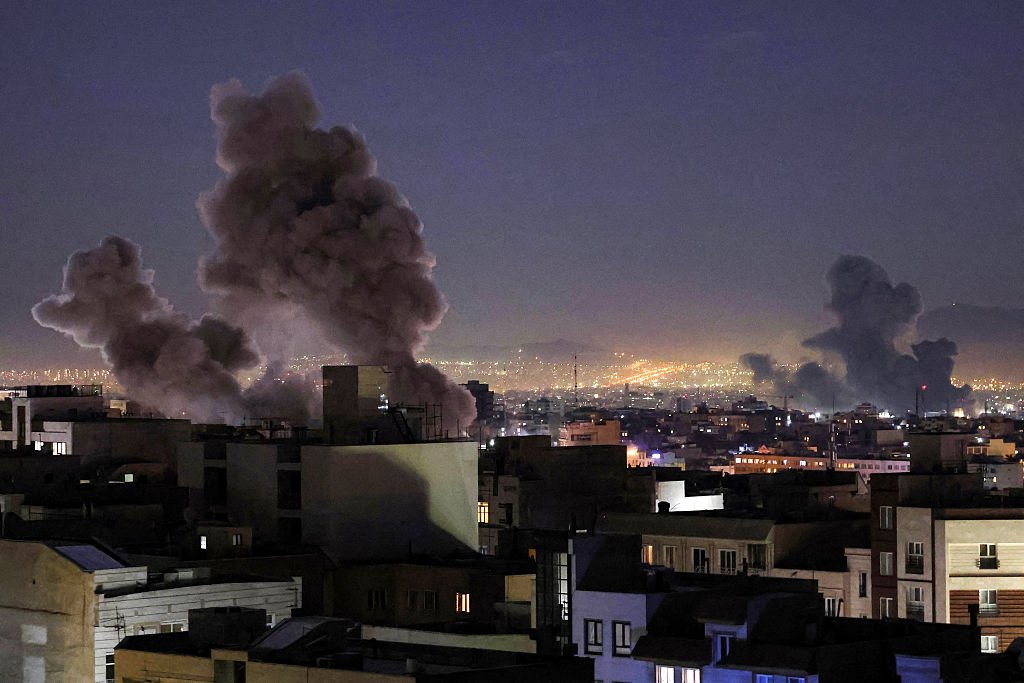
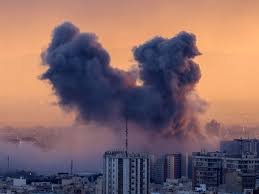
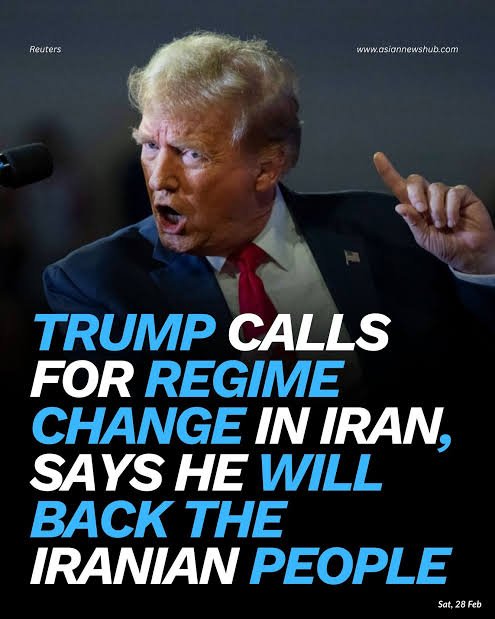
As tensions escalate in the Middle East, Pakistanis are adjusting the way they live and work in response to a record jump in fuel prices triggered by the ongoing conflict involving the United States, Israel and Iran.
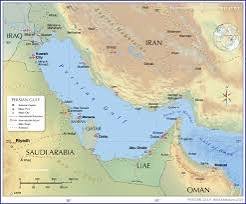
Petrol prices in Pakistan surged by 55 rupees per liter, reaching a record 321.17 rupees ($1.15) per liter, the largest single-day increase in the country’s history. The hike followed a brief spike in global crude above $110 per barrel, fueled by concerns that the war could disrupt oil shipments passing through the Strait of Hormuz, a key corridor carrying roughly one-fifth of the world’s oil supply.
For many Pakistanis, the rise in fuel costs is reshaping daily routines. Muhammad Ibraheem, a 37-year-old founder of a digital marketing firm in Islamabad, said he no longer commutes daily to meet clients but instead conducts most meetings online. “The petrol price hike has changed everything,” he said. “I now schedule client meetings bi-weekly or monthly and rely on video calls instead of driving across the city.”
The increase in petrol costs is also affecting broader living expenses. Transportation is a key driver of the cost of goods, so rising fuel prices quickly push up prices for basic necessities such as vegetables, fruits and other household items. Ibraheem noted that while costs rise with petrol, they do not necessarily fall when fuel prices decline.
At a fuel station in Islamabad, manager Talib Hussain reported that demand had already begun to decrease. “Many routine and even extraordinary uses have declined. There is a significant difference in filling volumes,” he said. Fuel retailers are feeling the strain, as their profits depend on volume rather than price.
The government, facing a fragile economy and commitments to the International Monetary Fund, defended the increase as necessary to prevent energy shortages. Petroleum Minister Ali Pervaiz Malik said the regional conflict had created “unusual circumstances” that left no choice but to adjust domestic fuel prices. Deputy Prime Minister Ishaq Dar added that the government sought to minimize the effect on consumers while maintaining national fiscal stability.
To conserve fuel, authorities have introduced measures including temporary school closures, a reduced workweek for government offices, and expanded remote working arrangements. Prime Minister Shehbaz Sharif has also ordered weekly reviews of fuel prices to pass any global declines quickly to consumers and directed provincial authorities to curb hoarding and profiteering.
For ordinary citizens, these adjustments are transforming daily life. Some are considering leaving cars behind in favor of motorcycles or bicycles, while remote work and online meetings are becoming the new norm. Analysts warn that even after global oil prices stabilize, the shift in commuting habits, energy conservation practices, and lifestyle adjustments may persist long-term, reshaping how Pakistanis navigate urban life.
As Ibraheem reflected, “Driving is no longer a routine—it has become a luxury. Our daily choices now revolve around fuel efficiency and reducing unnecessary travel.” The record increase in petrol prices, combined with the uncertainty surrounding the Middle East conflict, continues to force Pakistanis to rethink both work and lifestyle in profound ways.





Leave a Reply