

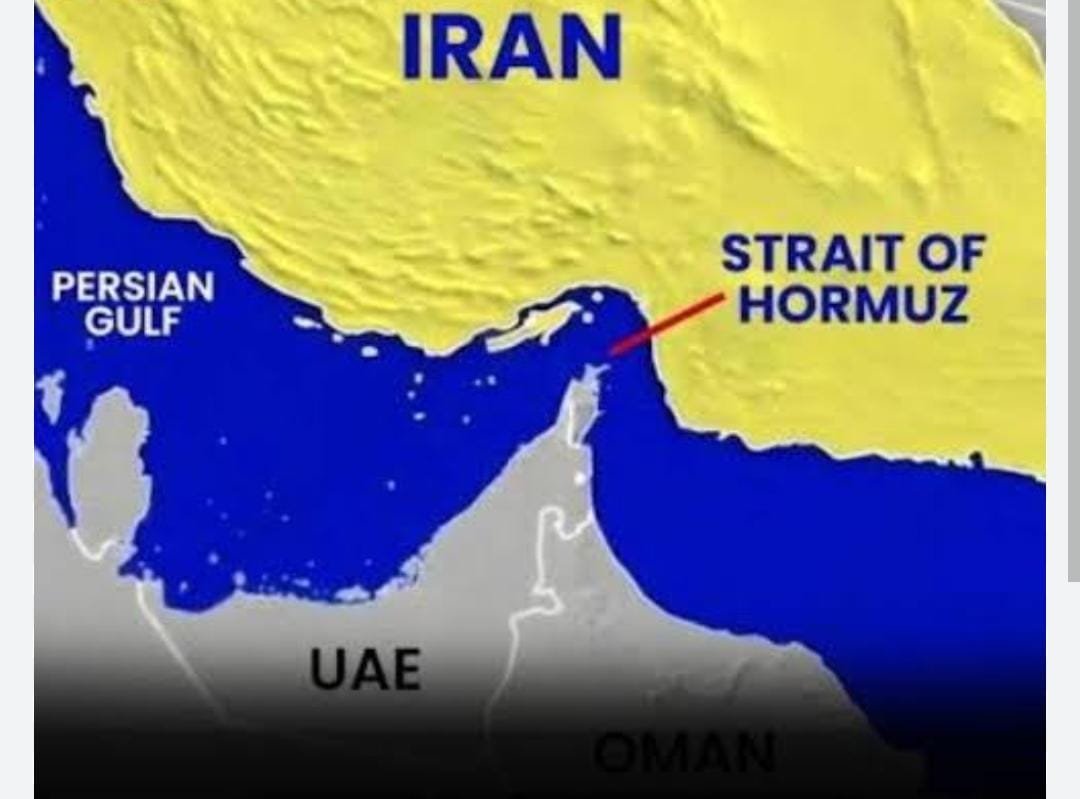
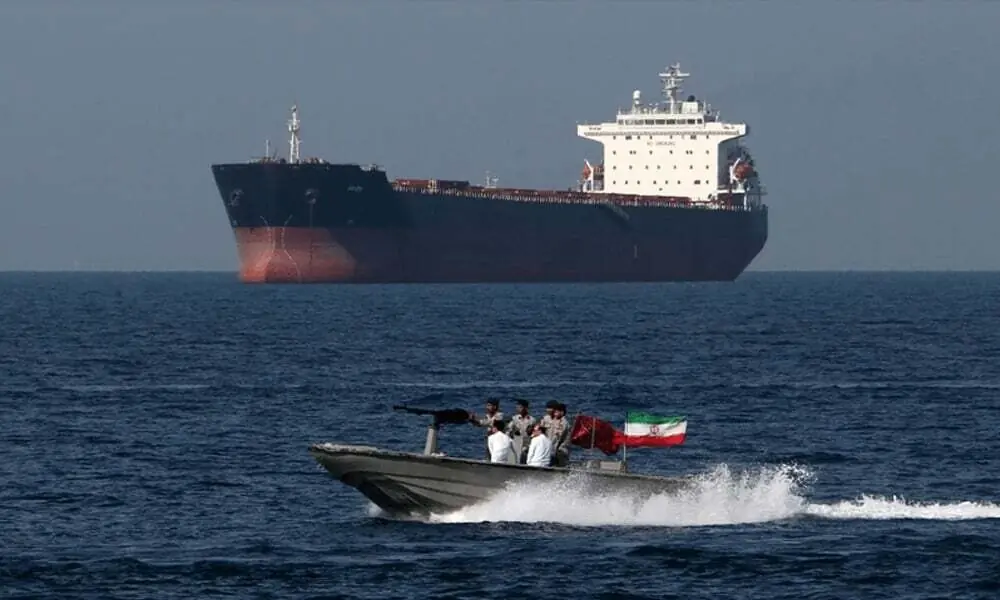
A growing maritime bottleneck has formed on both sides of the Strait of Hormuz, with hundreds of vessels halting movement amid escalating regional tensions, according to ship-tracking data.
Shipping records indicate that at least 150 tankers — carrying crude oil and liquefied natural gas (LNG) — have anchored in open waters inside the Gulf rather than attempting to transit the narrow passage. On the opposite side of the strategic chokepoint, dozens of additional vessels were also reported stationary, creating an unprecedented buildup in one of the world’s busiest energy corridors.
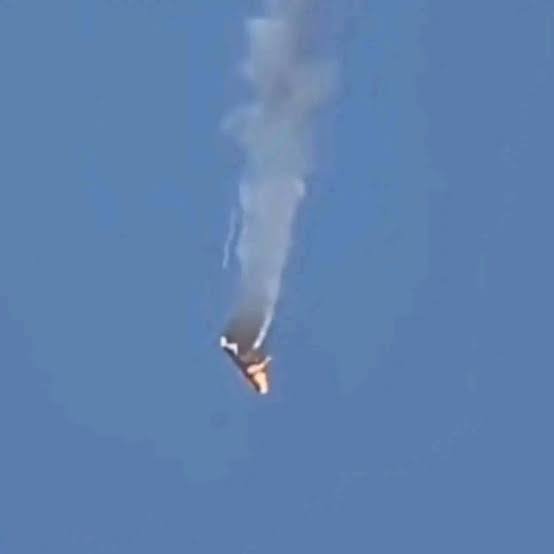
The sudden slowdown in maritime movement follows recent US and Israeli strikes on Iran, developments that have sharply heightened security concerns across the region. Shipping operators appear to be taking precautionary measures, delaying voyages until the situation becomes clearer.
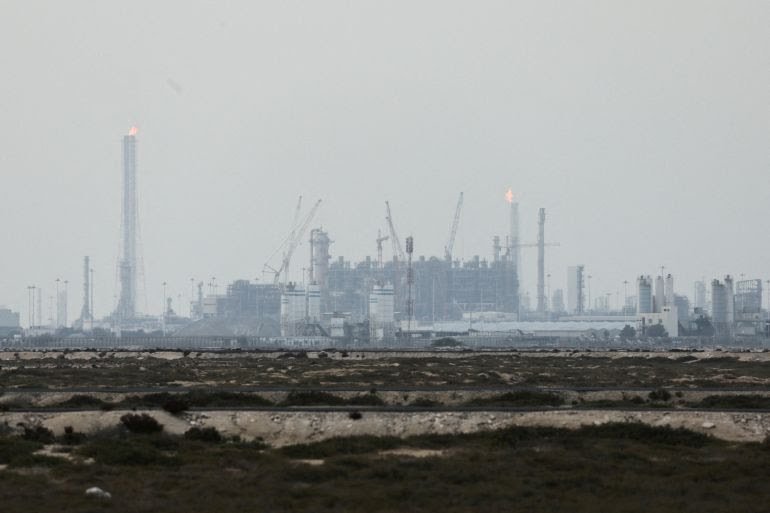
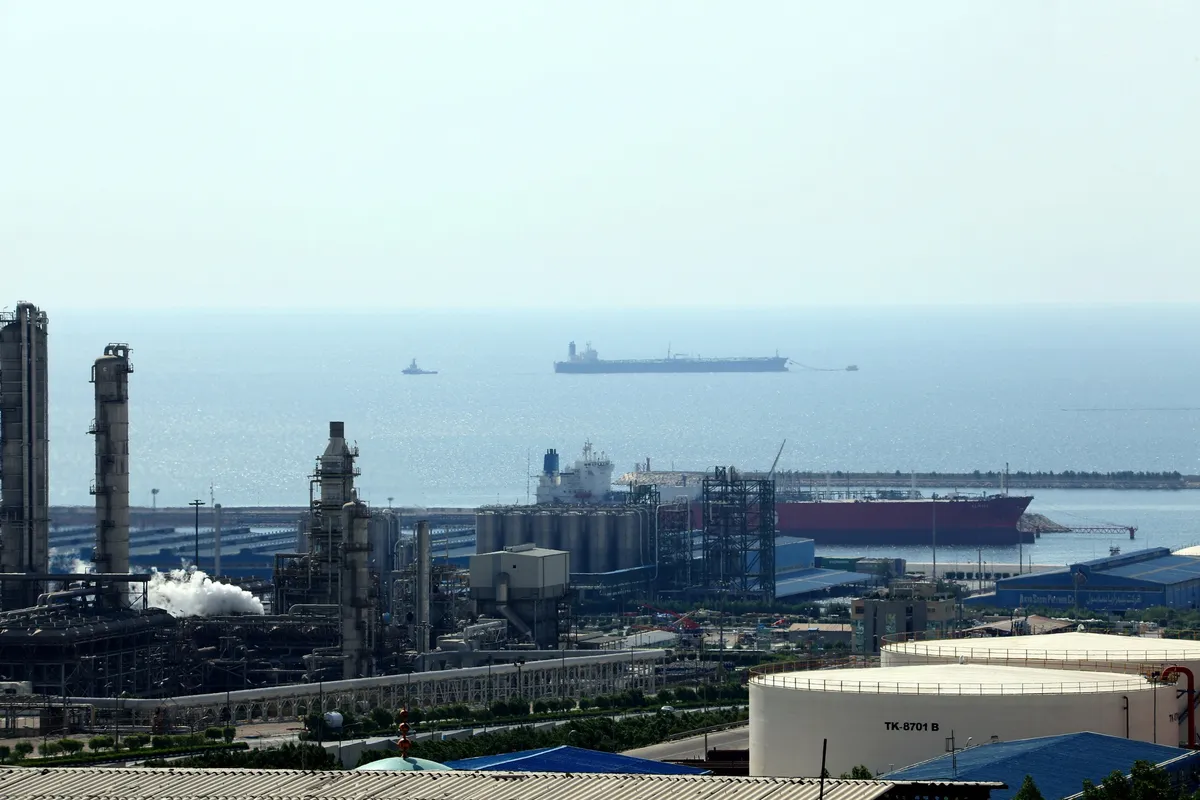
Data analyzed by Reuters from the MarineTraffic vessel-tracking platform shows that many of the anchored ships are positioned off the coasts of key oil and gas exporters, including Iraq, Saudi Arabia and Qatar — one of the world’s largest LNG suppliers. The clustering of vessels highlights the immediate impact of geopolitical instability on global trade routes.
The Strait of Hormuz is a vital artery for international energy supplies, handling a substantial share of the world’s daily oil and gas shipments. Even temporary disruptions in this narrow passage can trigger volatility in global energy markets and raise concerns over supply security.
Industry observers warn that if tensions persist, the maritime congestion could deepen, placing further strain on energy exports and increasing insurance and transportation costs for shipping companies. The coming days are expected to be critical in determining whether the backlog clears or evolves into a broader crisis affecting global markets.
Maritime Traffic Stalls as Tensions Grip Strait of Hormuz








Leave a Reply