


By Professor Asif Zahoori
The ongoing conflict in the Middle East has become a recurring nightmare for military strategists. Viewed through a technical and logistical lens, a stark reality emerges: a ground invasion of Iran by American forces is virtually impossible at this time. This is not mere political rhetoric—it is grounded in hard facts and cold statistics that reveal the limits of U.S. military power.
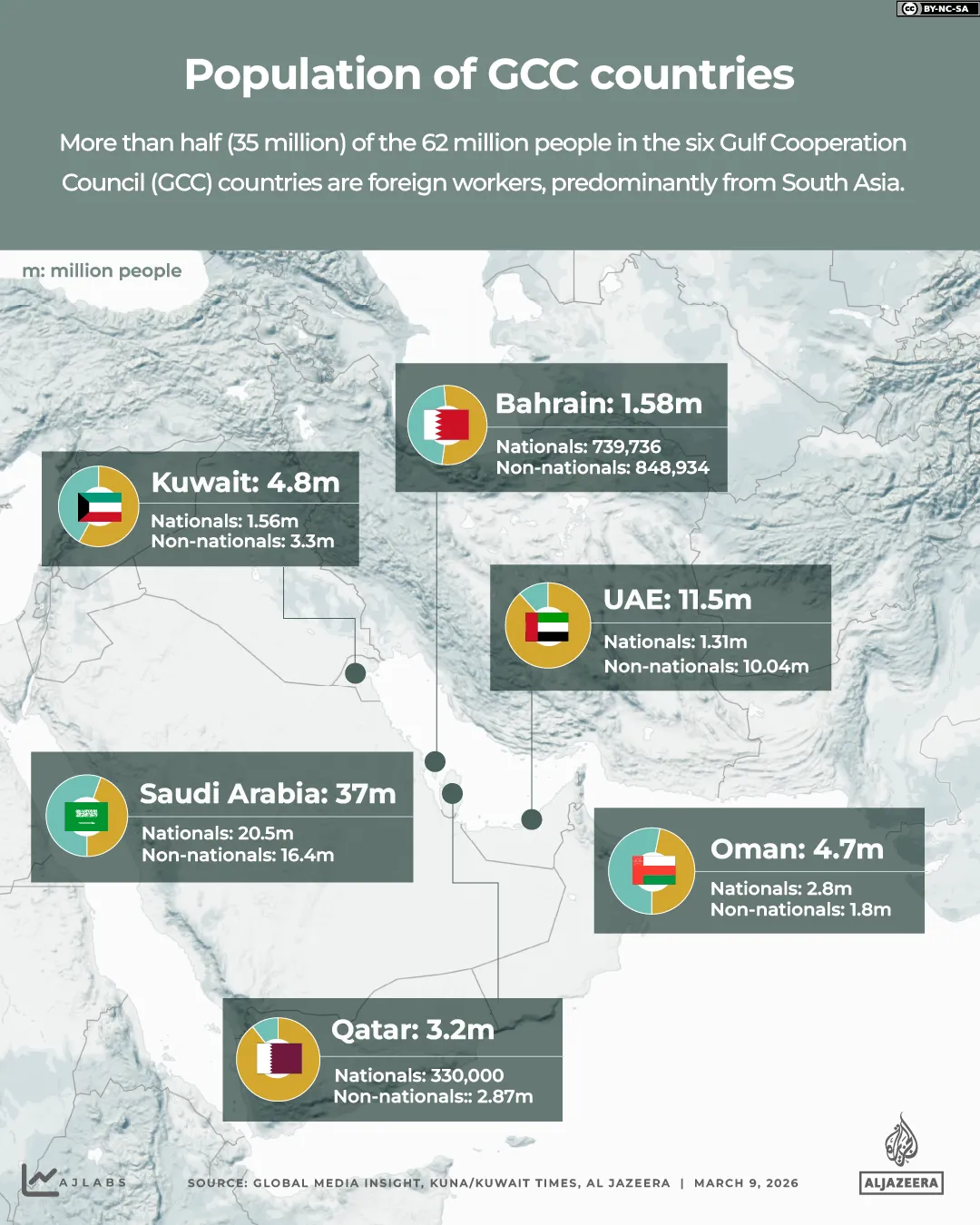
The United States, the world’s so-called superpower, is trapped in a quagmire of overextension. According to the U.S. Department of Defense, the total active-duty force numbers approximately 1.3 million, rising to 2.1 million when including reserves and the National Guard. While these figures appear formidable on paper, the reality is starkly different once global deployments are considered. U.S. forces are scattered worldwide: 54,000 in Japan, 36,000 in Germany, 23,000 in South Korea, and thousands more across Italy and the UK. In the Middle East, troops number between 40,000 and 60,000, fragmented across Qatar, Bahrain, Iraq, and Kuwait. The mass and numerical superiority required for a full-scale invasion simply do not exist, and consolidating these dispersed units into a single strike force presents a monumental logistical challenge.
While the U.S. possesses the world’s premier air and naval fleets, Iran’s geography and the current tactical environment have neutralized this advantage. The Strait of Hormuz—through which 20% of the world’s energy flows—is effectively a closed door. Iranian intelligence, coupled with sophisticated drone and missile technology, has turned the region into a “kill zone.” Every attempt to transport large troop numbers relies on naval vessels and transport aircraft, yet U.S. installations, from Al-Udeid Air Base in Qatar to ports in Bahrain, are now within the reach of Iranian missiles. Recent skirmishes have revealed vulnerabilities in American air defenses. When ports and airfields are insecure, moving hundreds of thousands of troops and heavy equipment becomes a near-impossible—and suicidal—mission.
Internal challenges further compound the problem. The U.S. military faces recruitment shortfalls and burnout among troops who have been engaged in decades of near-continuous conflict. Meanwhile, Iranian forces are fighting on home soil with high morale and ideological motivation. Domestically, the American public has little appetite for another “forever war,” a sentiment echoed in Congress as lawmakers debate limiting presidential war powers.
Logistical projections indicate that a full-scale invasion, even if attempted today, would require six to nine months to mobilize sufficient personnel and hardware—assuming supply lines remain open. Given that 27 U.S. bases in the region face constant threats and Iranian intelligence is actively monitoring and potentially sabotaging every move, this timeline could easily double or triple. The mountainous terrain of Iran would further transform any invasion into a graveyard for armor and infantry.
The economic fallout would be staggering. In just the past week of heightened tension, the U.S. has already spent $2–3 billion on weapon transfers, fuel, and maintaining alert forces. A sustained conflict for a month could cost $150–200 billion, consuming a large portion of the national defense budget. Gulf economies reliant on oil exports would suffer, with prices likely exceeding $150 per barrel. Global supply chains would fracture, food prices would soar, and the world could face a prolonged recession.
Ultimately, any U.S. military adventurism in Iran serves interests other than America’s. The administration appears to have shifted from an “America First” stance to an “Israel First” agenda. Spending American taxpayer money on a futile war that benefits a foreign state is a grave injustice, the economic scars of which could be felt for years. By the time the consequences fully emerge, it may be far too late to reverse them.



Leave a Reply