

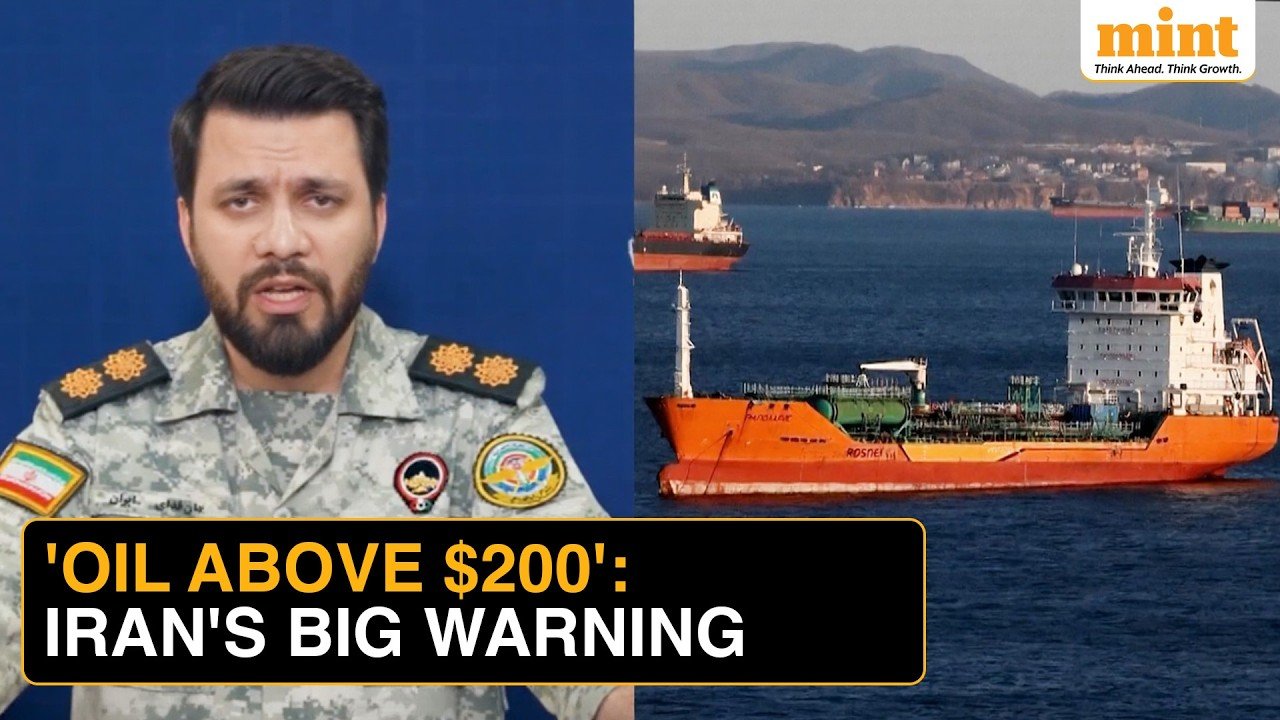
The Islamic Revolutionary Guard Corps has warned that not “a litre of oil” will be allowed to pass through the strategically vital Strait of Hormuz as the closure of the key maritime corridor continues to shake global energy markets amid the ongoing conflict involving Iran, the United States and Israel.
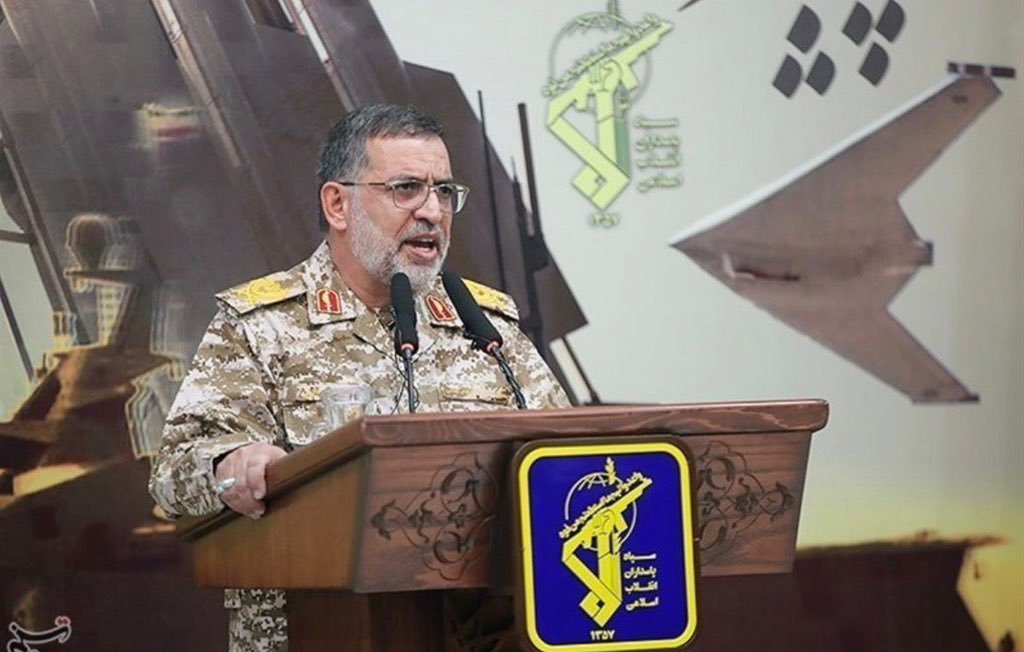
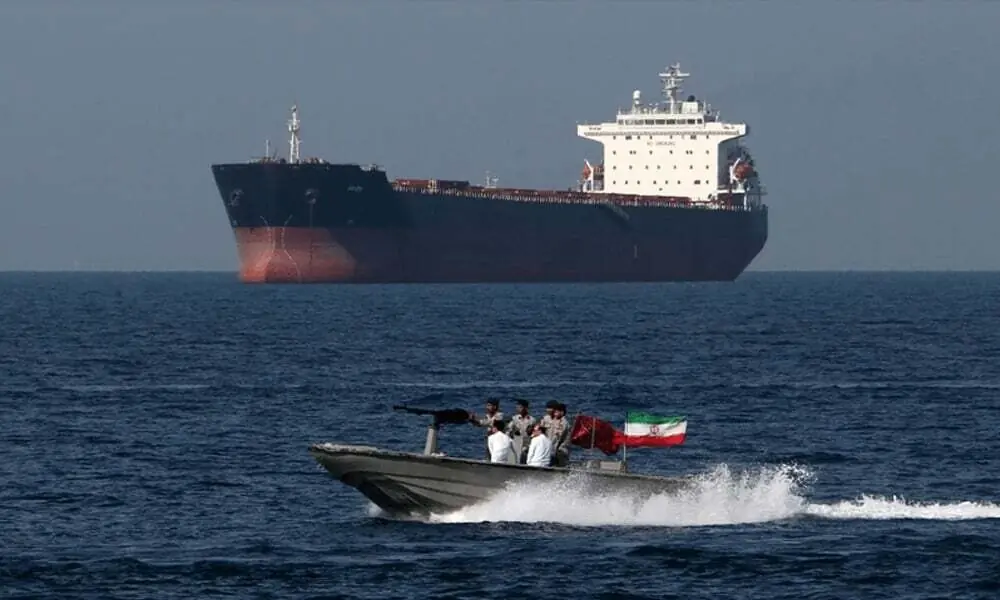
A spokesperson for the IRGC’s Khatam al-Anbiya Headquarters said on Wednesday that vessels linked to the United States, Israel, or their allies would be treated as legitimate targets if they attempt to cross the waterway during the current standoff.
The warning came as tensions in the Middle East continue to intensify following weeks of military exchanges between Iran and Israel, supported by the United States. According to the Iranian military official, attempts by Western countries to stabilize oil markets by releasing reserves will not prevent a sharp surge in prices.
“You will not be able to artificially lower the price of oil. Expect oil at $200 per barrel,” the spokesperson said, adding that energy prices are closely tied to regional security conditions. He accused Western powers of being the main source of instability in the region.
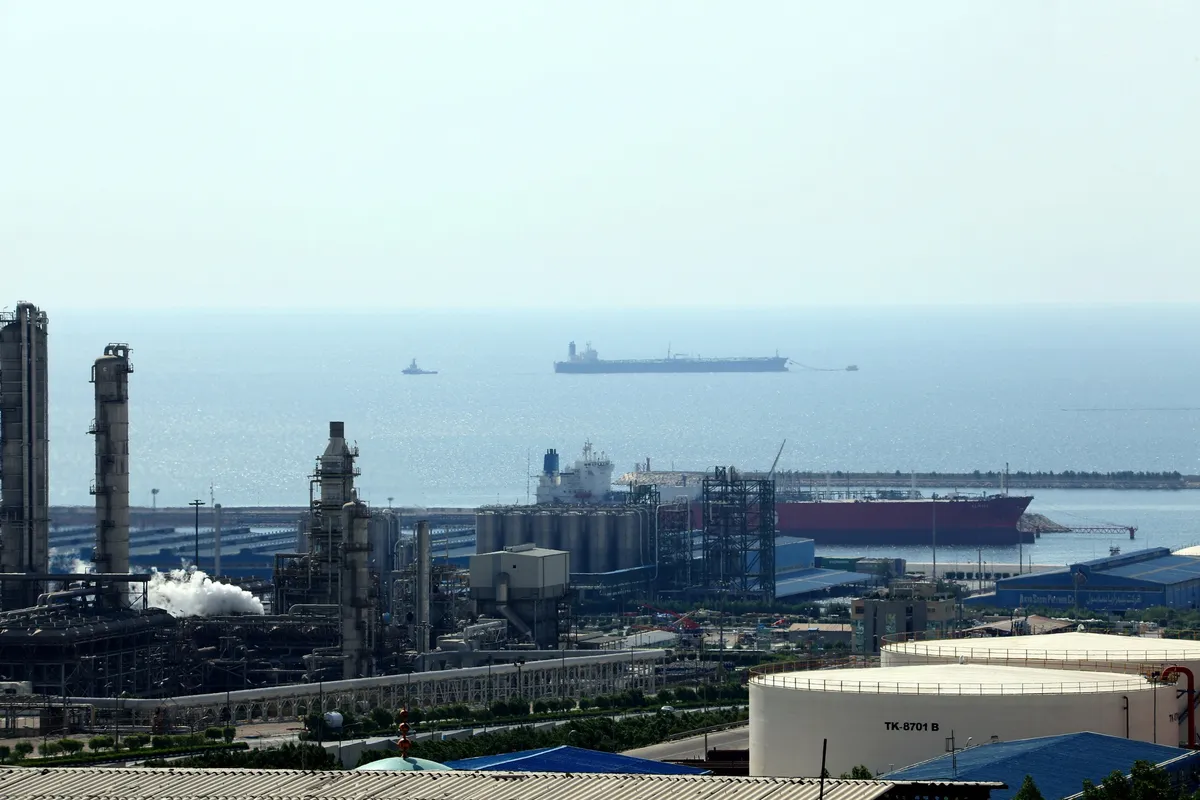
The closure of the Strait of Hormuz has already triggered volatility in global energy markets. The narrow passage links the Persian Gulf with the Arabian Sea and serves as one of the most critical shipping routes for the global oil trade. Roughly one-fifth of the world’s oil supply normally passes through this waterway, making any disruption highly significant for international markets.
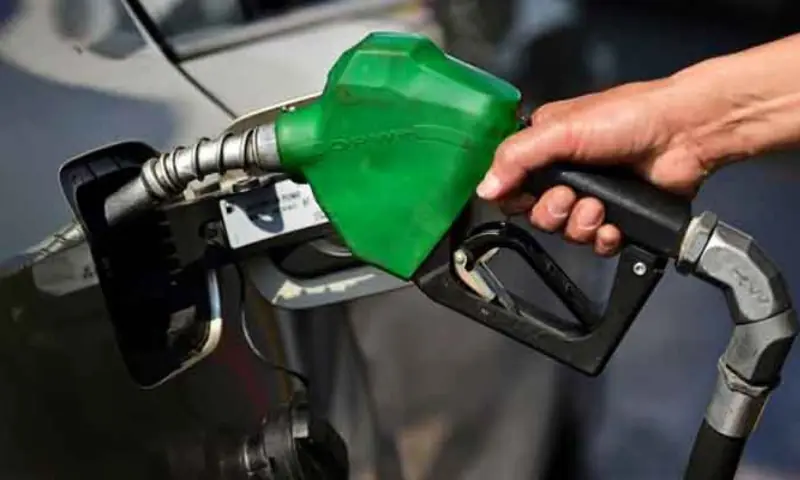
In response to the crisis, the International Energy Agency has recommended the release of around 400 million barrels of oil from strategic reserves worldwide to stabilize supply and limit price spikes. Several major economies are expected to contribute to the coordinated release in an effort to cushion the impact of the disruption.
Despite these measures, oil prices have fluctuated sharply throughout the week as markets react to the continuing military confrontation and uncertainty over the duration of the conflict. Analysts say that prolonged closure of the waterway could lead to severe shortages and sustained high energy prices worldwide.
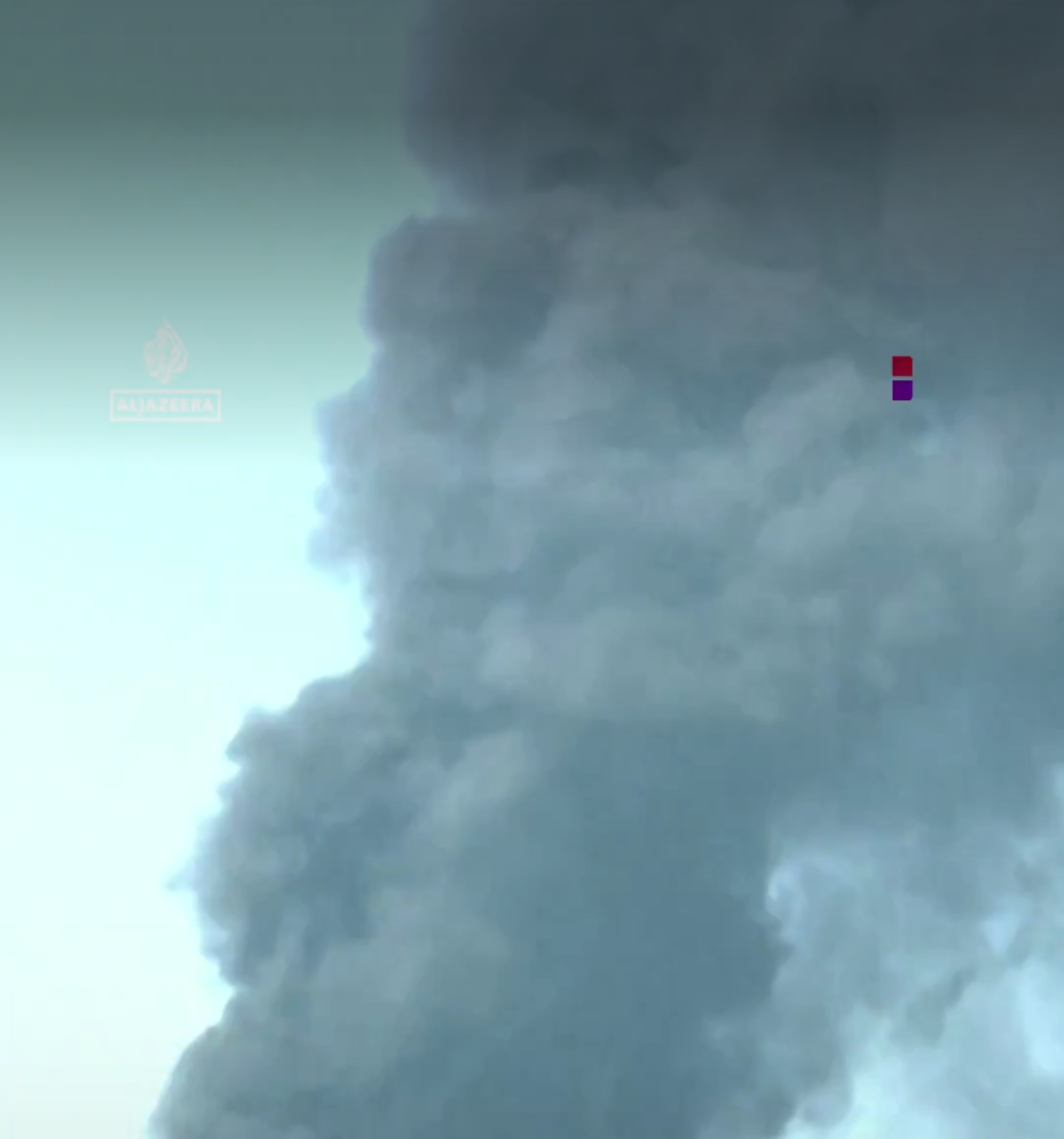
Meanwhile, maritime security firms reported that three ships were struck by projectiles on Wednesday in or near the Strait of Hormuz. One of the vessels reportedly hit was the Thai-flagged bulk carrier Mayuree Naree, which came under attack approximately 11 nautical miles north of Oman. Images released by naval authorities showed smoke rising from the cargo vessel following the incident.
The attacks on shipping have heightened concerns among international shipping companies and governments about the safety of vessels transiting through the region. Insurance costs for ships traveling through Gulf waters have already surged as companies reassess the risks associated with operating in the area.
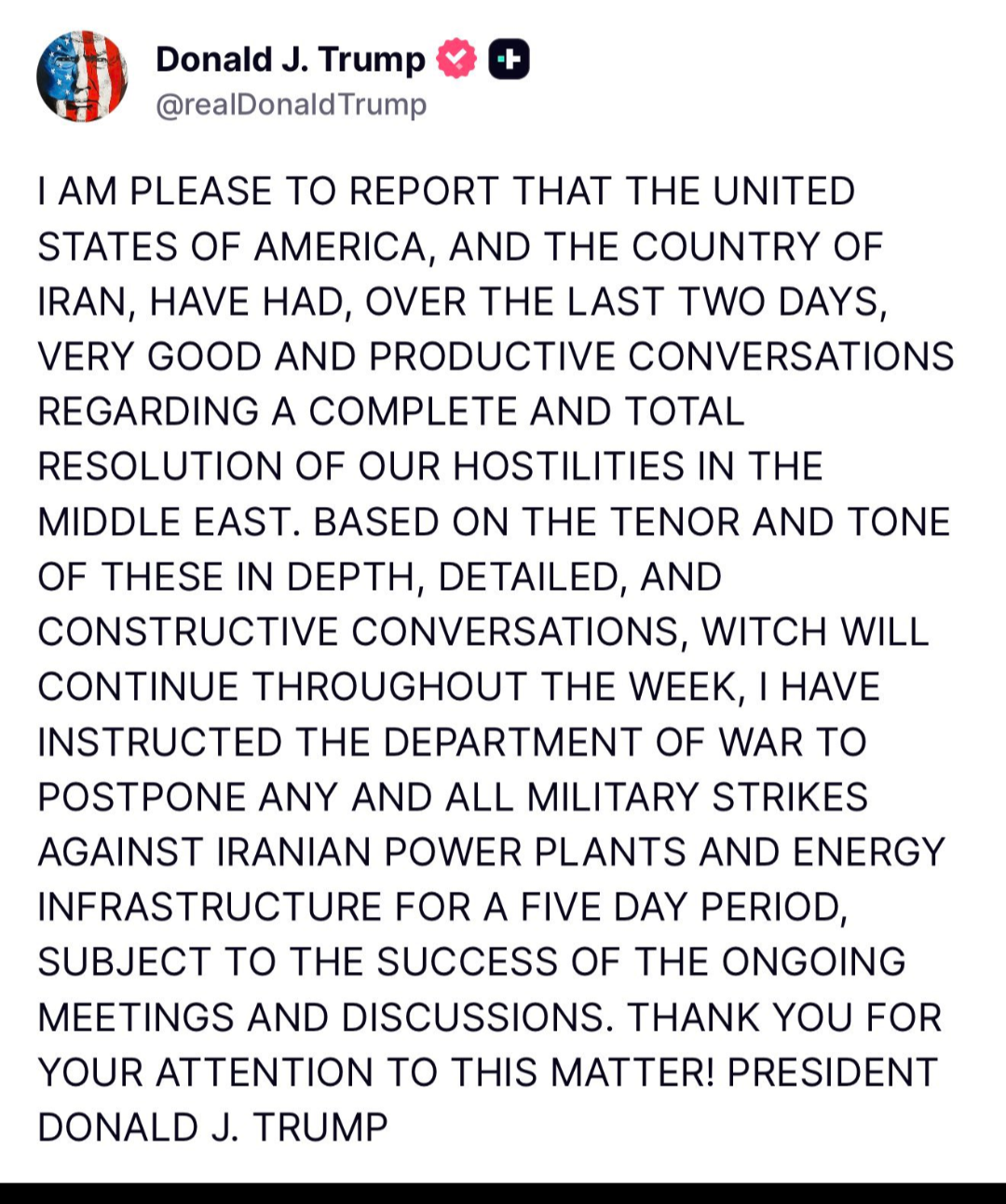
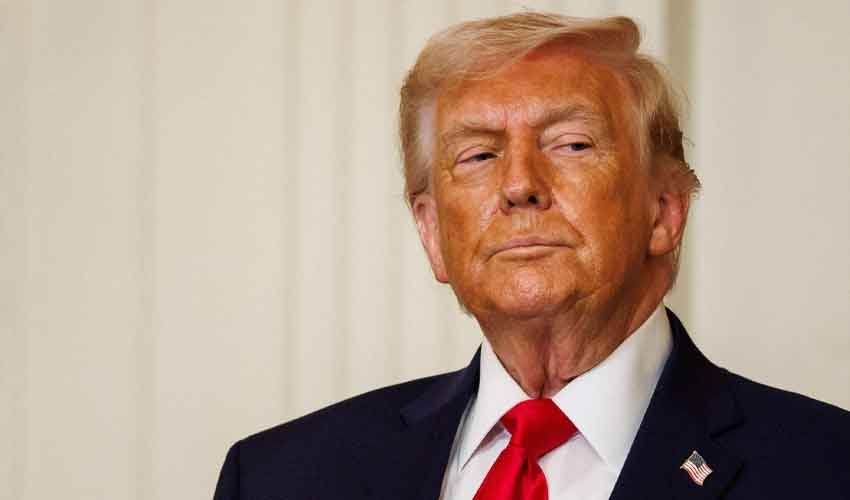
Despite the growing threats, Donald Trump encouraged commercial vessels to continue using the strait. When asked whether ships should still transit the waterway, he said he believed they should continue operations despite the risks.
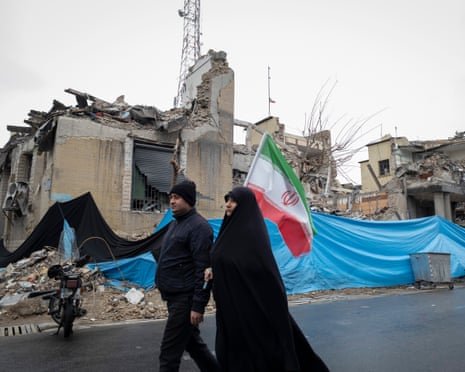
The conflict, which began on February 28, has expanded into a broader regional crisis involving missile launches, drone strikes and naval incidents across several parts of the Middle East. Observers warn that continued escalation could have serious consequences not only for regional security but also for the global economy.
Energy analysts say that if the Strait of Hormuz remains closed for an extended period, the impact on global oil supplies could be profound, potentially driving energy prices to historic levels and disrupting international trade routes that are essential to the world economy.





Leave a Reply