

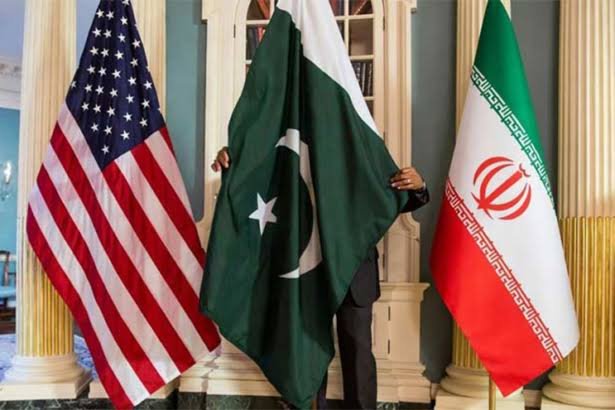
Iran indicated on Monday that the United States’s stance on its nuclear program is “more realistic,” ahead of a second round of indirect talks in Geneva scheduled for Tuesday.
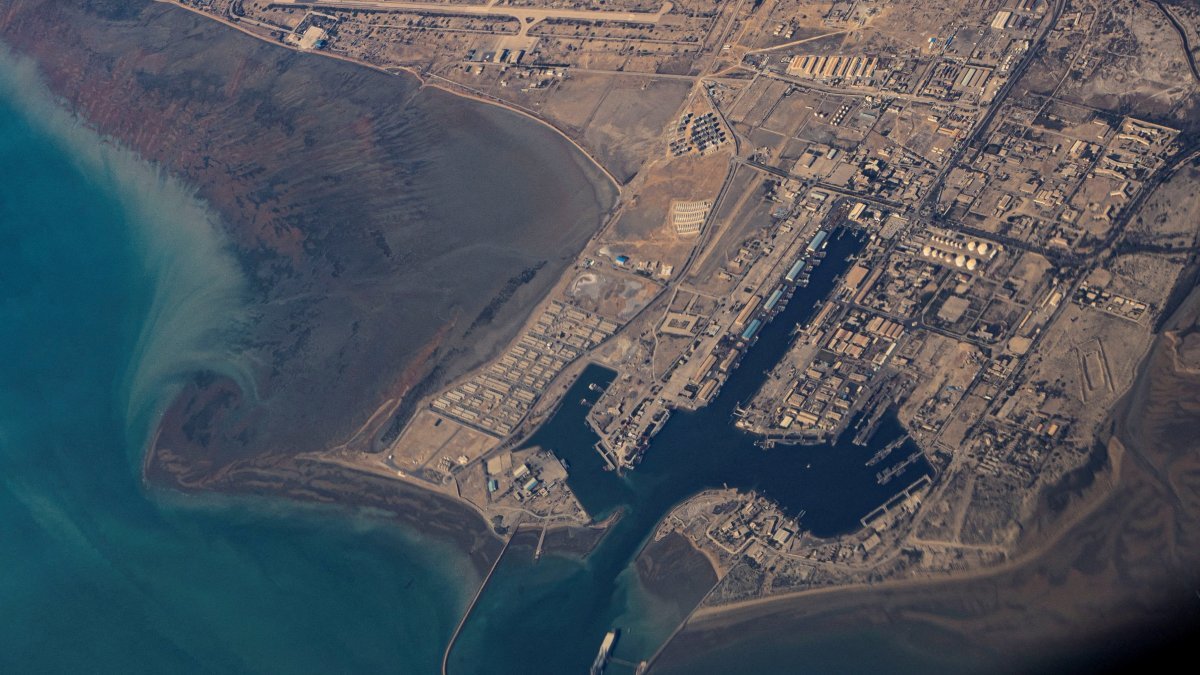
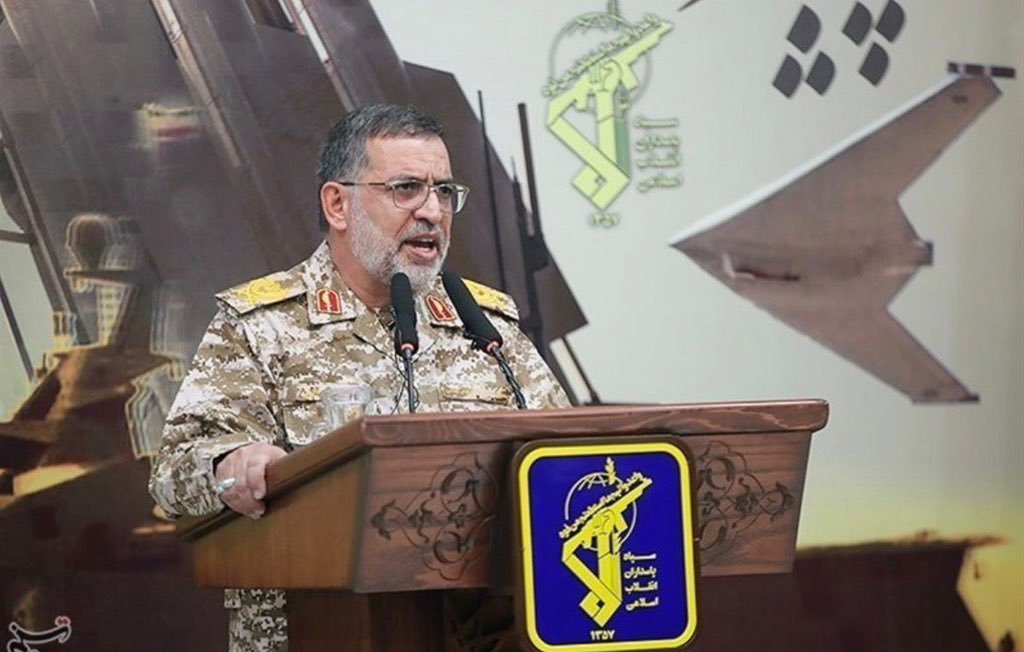
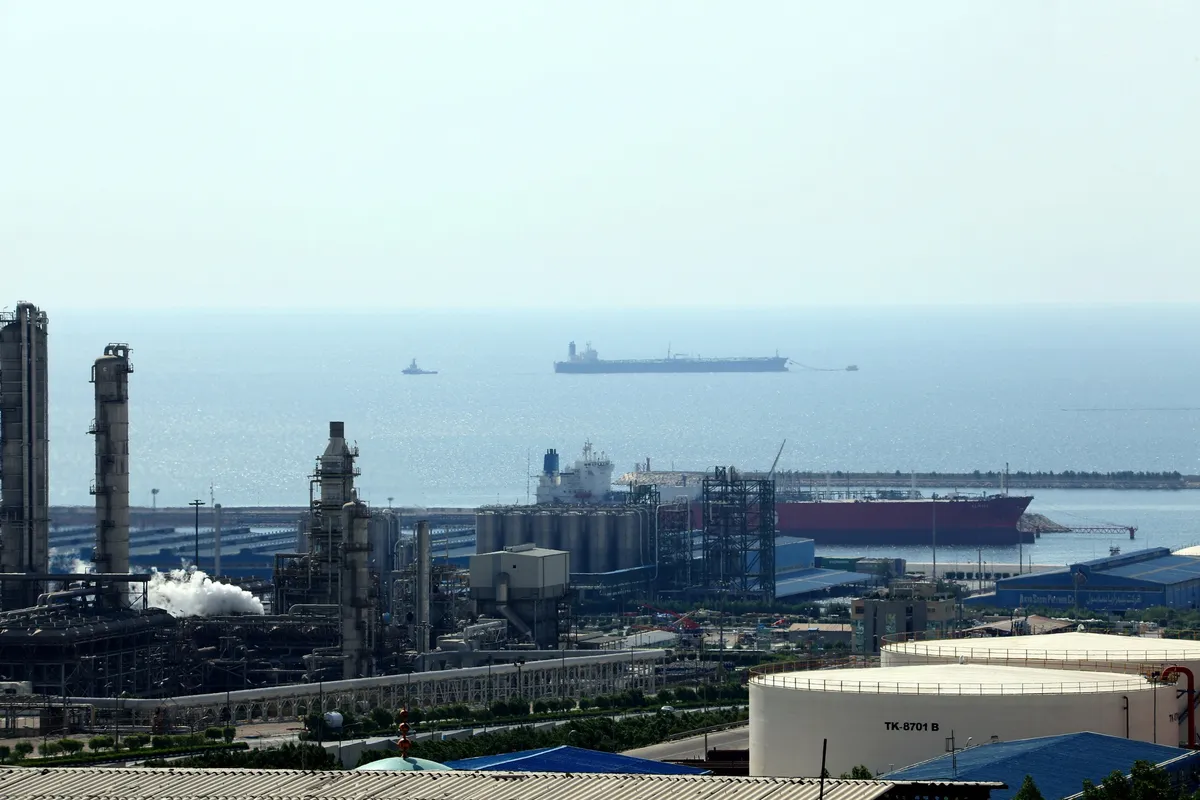
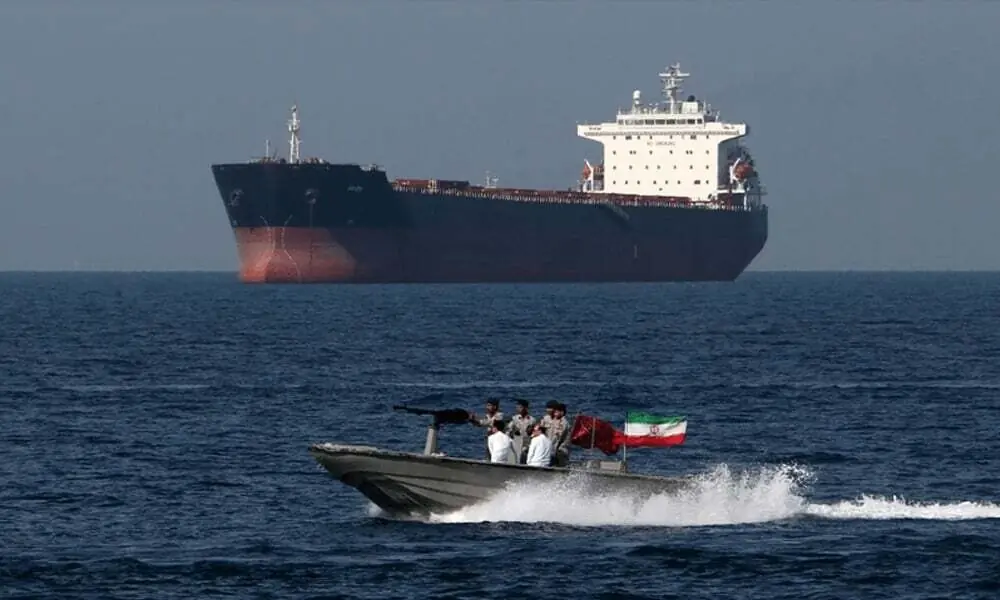
Tehran’s foreign minister arrived in Geneva for the negotiations, mediated by Oman, while the Islamic Revolutionary Guards conducted military drills in the Strait of Hormuz, a strategic waterway critical for global oil and gas shipments.
The resumption of talks follows heightened tensions last month, when a deadly crackdown on protesters prompted repeated U.S. threats of military action. Previous negotiations had collapsed after Israeli strikes on Iranian targets triggered a brief U.S. involvement, including bombing of nuclear sites.
Foreign ministry spokesman Esmaeil Baqaei told the official IRNA news agency that, based on discussions in Muscat, the U.S. position on Iran’s nuclear program has moved toward a “more realistic” approach.
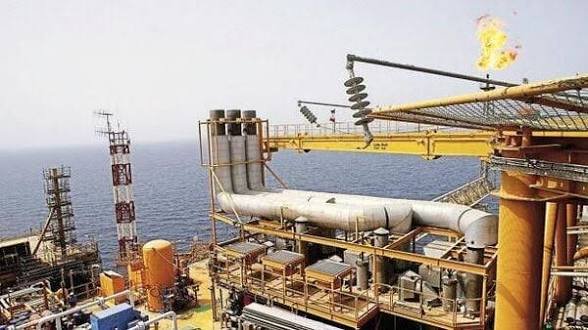
Washington has pushed for discussions on Iran’s ballistic missile program and regional activities, while the Revolutionary Guards’ war games aim to prepare for potential security threats in the strait, according to Iranian state TV. Tehran has previously warned it could block the waterway, which handles about 20 percent of global oil trade.
U.S. Secretary of State Marco Rubio expressed cautious optimism, saying officials are “hopeful there’s a deal” and emphasizing the preference for negotiated outcomes.
Iranian diplomat Abbas Araghchi met with International Atomic Energy Agency chief Rafael Grossi for “deep technical discussions” ahead of the talks. Araghchi also plans to meet Swiss, Omani, and other international officials, asserting that Iran seeks a “fair and equitable deal” without yielding to threats.
Iran’s deputy foreign minister Majid Takht-Ravanchi said Tehran could consider compromises on its uranium stockpile if U.S. sanctions are lifted, signaling potential flexibility if American sincerity is demonstrated. Meanwhile, Israeli Prime Minister Benjamin Netanyahu stressed that any deal must include the removal of all enriched uranium from Iran.
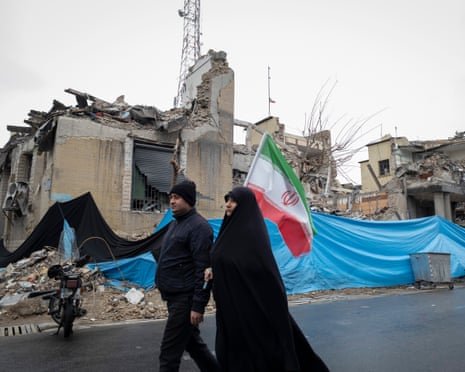
The negotiations occur amid ongoing protests inside Iran against clerical authorities, following last month’s deadly crackdown, highlighting domestic pressures as Tehran engages with international stakeholders.
The latest round of talks will test whether diplomatic channels can de-escalate tensions over Iran’s nuclear ambitions while addressing economic and regional security concerns.

Leave a Reply