

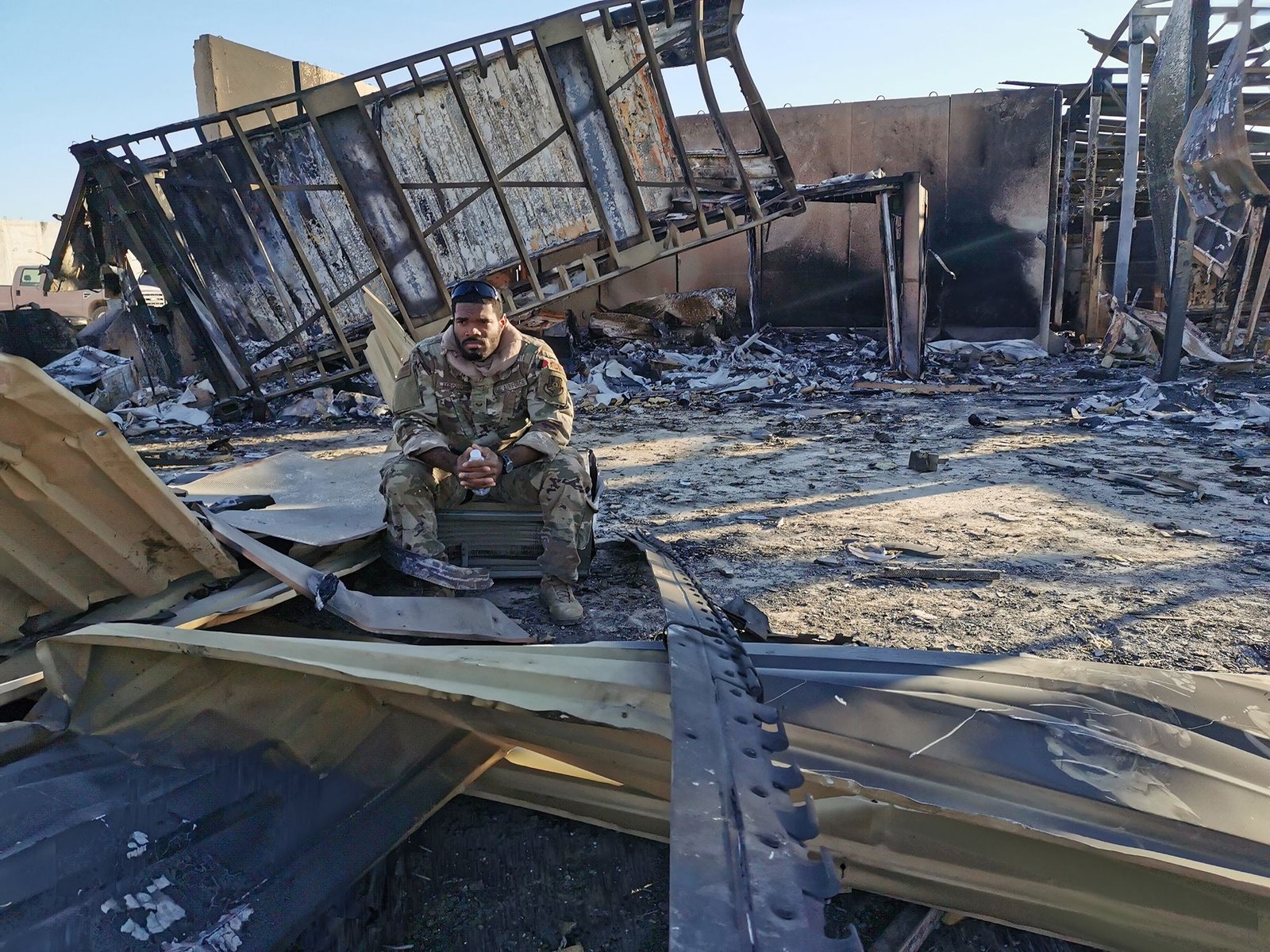
DUBAI, Feb. 28, 2026 — Explosions were reported on Saturday in Doha, Kuwait, Abu Dhabi and Manama, as Iran launched what it described as the first wave of retaliatory missile and drone attacks following joint American and Israeli airstrikes on Iranian territory.
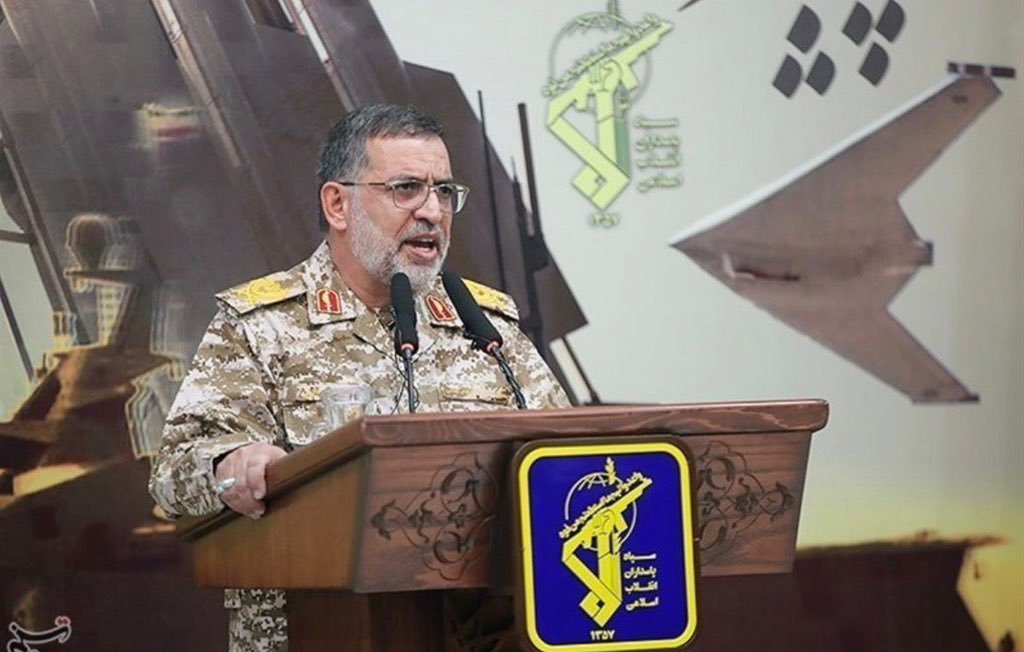
The Islamic Revolutionary Guard Corps said it had begun a coordinated response targeting U.S. military assets in the region. The announcement came hours after Washington and Tel Aviv confirmed strikes intended, in their words, to neutralize security threats posed by Tehran.
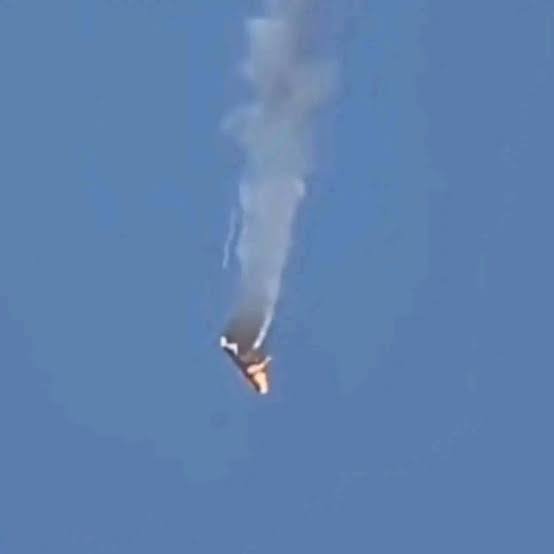
A Qatari official said that air defenses intercepted two Iranian missiles over the country, adding that no casualties had been reported. Emergency sirens were heard in parts of Doha, where residents described flashes in the sky consistent with missile interceptions.
In Bahrain, authorities confirmed that a facility connected to the headquarters of the United States Fifth Fleet had been struck in what officials called a “missile attack.” The Fifth Fleet, based in Manama, oversees U.S. naval operations across the Gulf and surrounding waters.
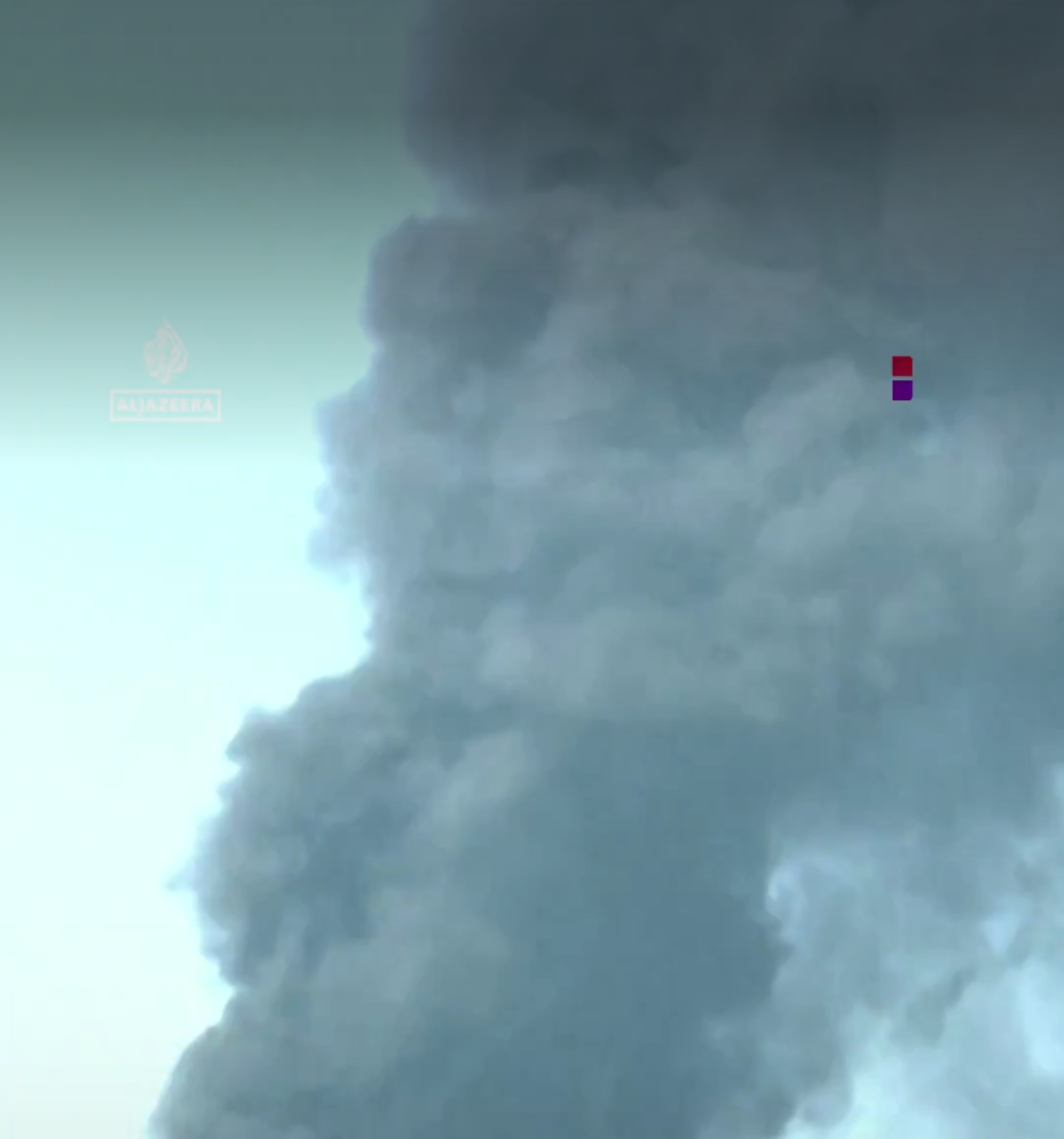
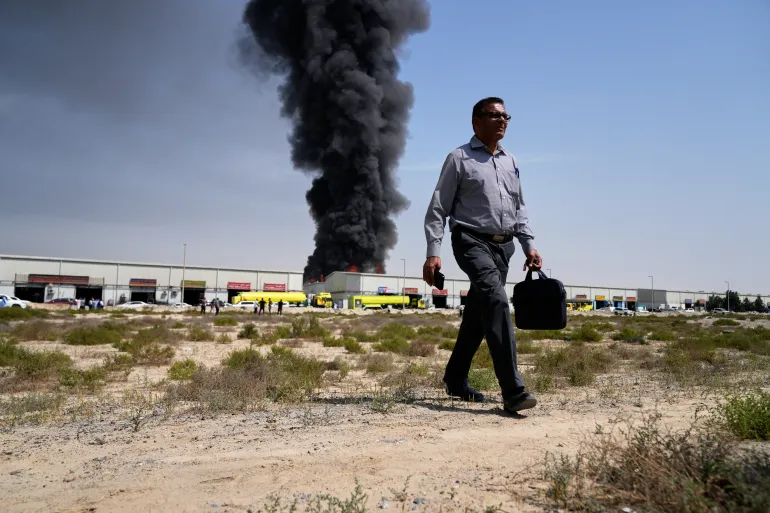
Residents in Abu Dhabi reported hearing loud blasts, while Emirati authorities said defensive systems were activated in response to incoming projectiles. Kuwait also reported heightened alerts, though officials there had not released detailed information about potential impacts.
The attacks represent a dramatic escalation in an already volatile standoff, marking a rare instance of overt military exchanges involving Iran and U.S. forces stationed across multiple Gulf states. Regional governments, many of which host American troops while maintaining diplomatic channels with Tehran, now face mounting pressure to contain the fallout.
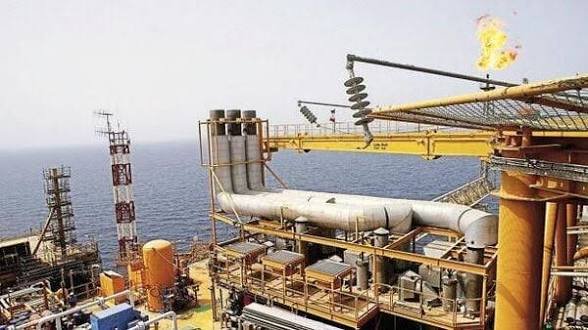
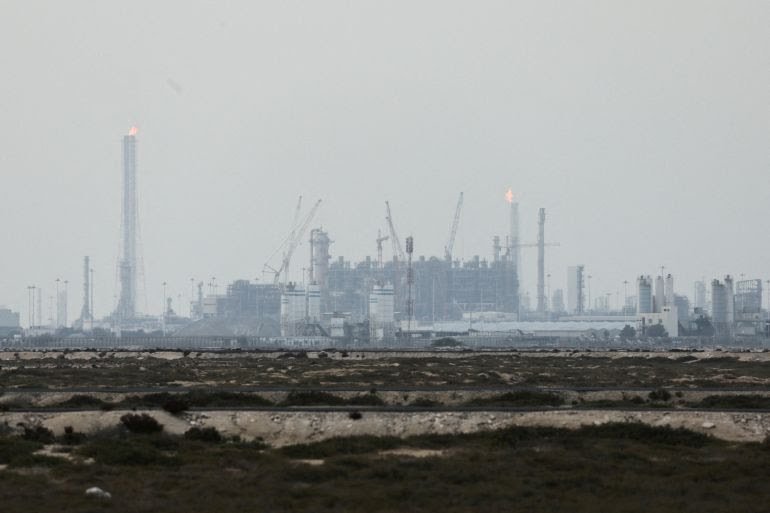
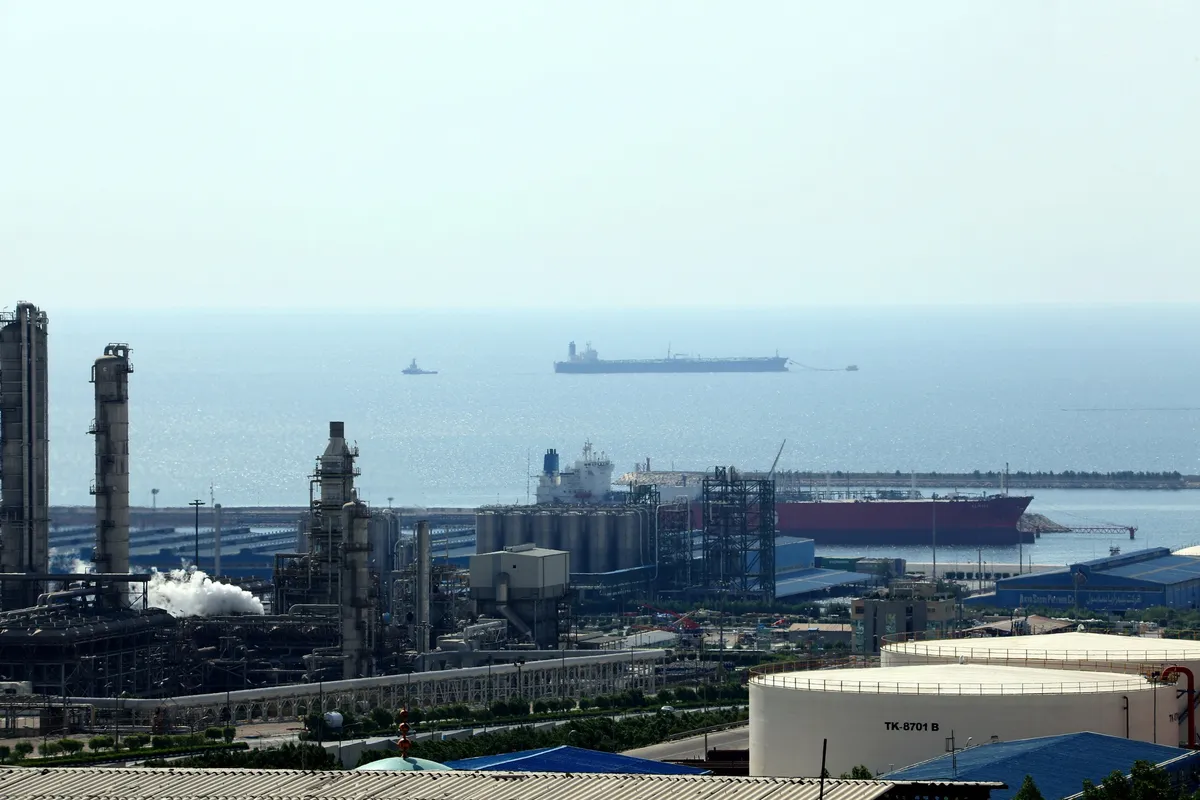
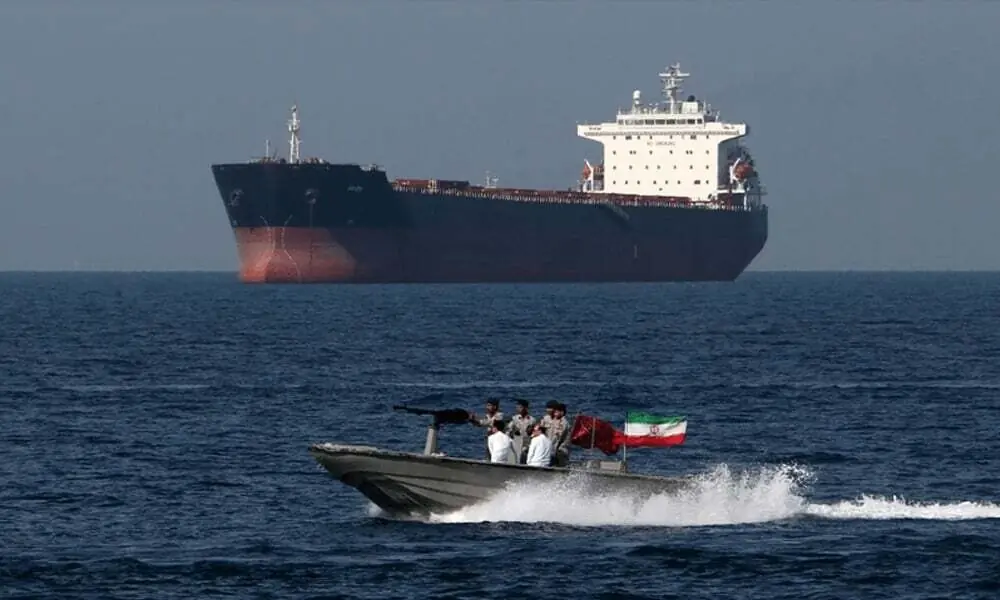
Diplomats across the Middle East and beyond called for immediate de-escalation, warning that further exchanges risk widening the conflict and destabilizing critical shipping lanes and energy infrastructure in one of the world’s most strategically vital regions
Iran Hits US bases & Explosions Heard in Saudi Arabia, Qatar, Kuwait, UAE






Leave a Reply