


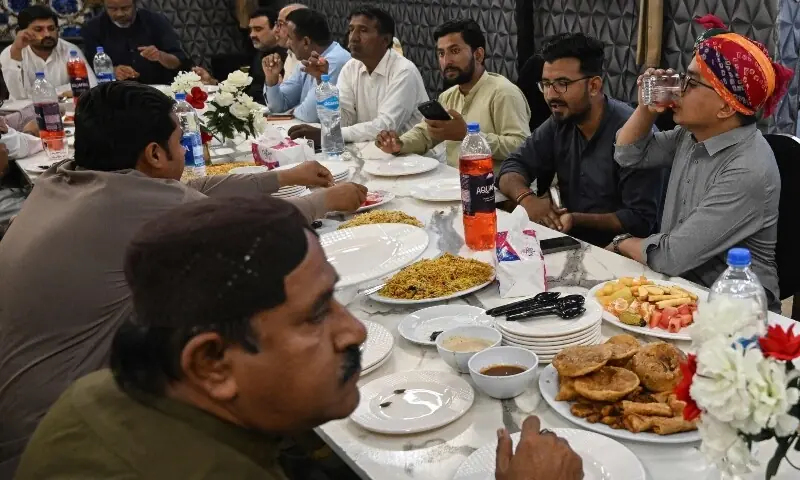
With the start of Ramadan, millions of Muslims in Pakistan and around the world are observing fasts from dawn to sunset, abstaining from food and drink throughout the day. While fasting is a spiritually uplifting experience, many people — especially in the early days of Ramadan — struggle with hunger, thirst, fatigue, and sudden changes in eating habits.
For some, adjusting to long hours without food and water can be challenging. Others may experience weakness or exhaustion, particularly those with medical conditions such as diabetes or high blood pressure. So what can be done to reduce hunger and thirst during fasting and make the day more manageable?
The Importance of Suhoor
What you eat at suhoor (the pre-dawn meal) largely determines how you will feel during the day. Nutrition experts emphasize that a well-balanced suhoor can significantly reduce fatigue, dehydration, and intense hunger.
Nutritionist Fadi Abbas suggests that suhoor should include foods that contain a high percentage of water — ideally around 70 percent. This helps the body maintain hydration for longer hours. He also recommends dividing suhoor into three small portions, with a five-minute break between each, instead of eating everything at once.
According to Abbas, it is beneficial to begin the meal with salad and to reduce salt intake. Excess salt can increase thirst during the day. While foods such as cheese and nuts are nutritious, they may increase the body’s need for water just a few hours later, making fasting more difficult.
Hydration Strategy
Staying hydrated between iftar (the sunset meal) and suhoor is crucial. Drinking water steadily throughout the evening — rather than consuming large amounts at once — allows the body to absorb fluids more effectively. Avoiding sugary drinks and excessive caffeine is also important, as they can contribute to dehydration.
Choosing the Right Foods
Complex carbohydrates such as whole grains, oats, and brown bread release energy slowly and help maintain stable blood sugar levels. Protein-rich foods like eggs, yogurt, and legumes also help you feel full for longer. Including fruits and vegetables with high water content — such as cucumbers, watermelon, and oranges — can further support hydration.
On the other hand, fried, overly spicy, and heavily processed foods may increase thirst and cause digestive discomfort. Large, heavy meals at iftar can also lead to sluggishness rather than sustained energy.
Managing Fatigue
Adequate sleep plays a key role in reducing fatigue during Ramadan. Short rest periods during the day, if possible, can also help maintain energy levels. Light physical activity, such as a short walk after iftar, can improve digestion and overall well-being.
Special Considerations
People with chronic conditions such as diabetes or hypertension should consult their doctors before fasting. Medical guidance can help ensure that fasting is done safely without compromising health.
Conclusion
Fasting does not have to mean constant hunger, thirst, or exhaustion. With thoughtful meal planning, proper hydration, and balanced nutrition, the body can adapt more comfortably to the Ramadan routine. A mindful approach to suhoor and iftar can make fasting not only spiritually rewarding but physically manageable as well.















Leave a Reply