

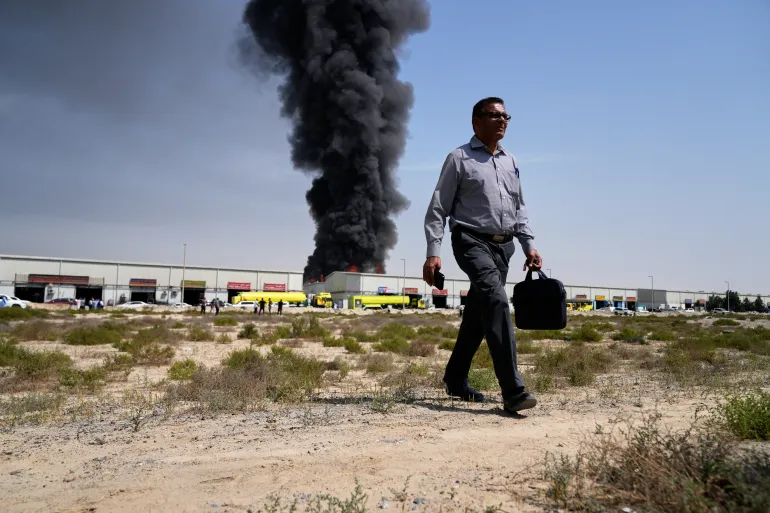
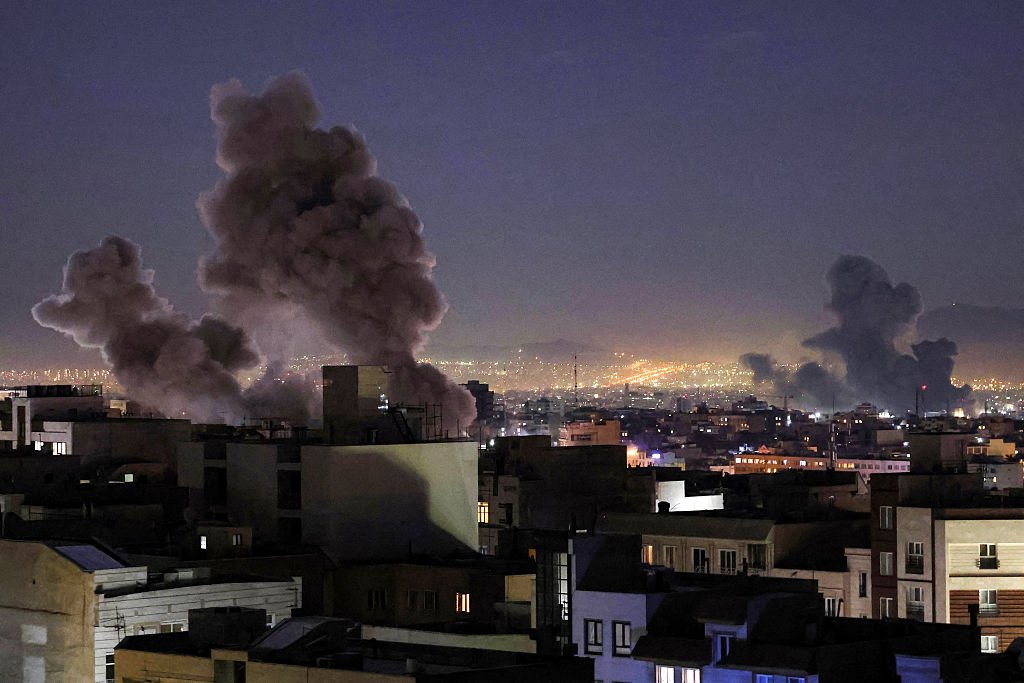
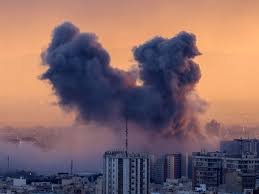
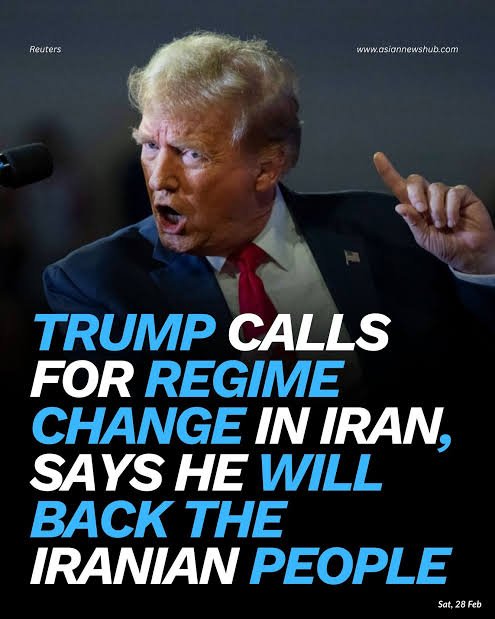
The ongoing war involving the United States, Israel and Iran is placing severe economic pressure on Gulf countries, with analysts warning that the conflict is fracturing regional economies and threatening global energy supplies.
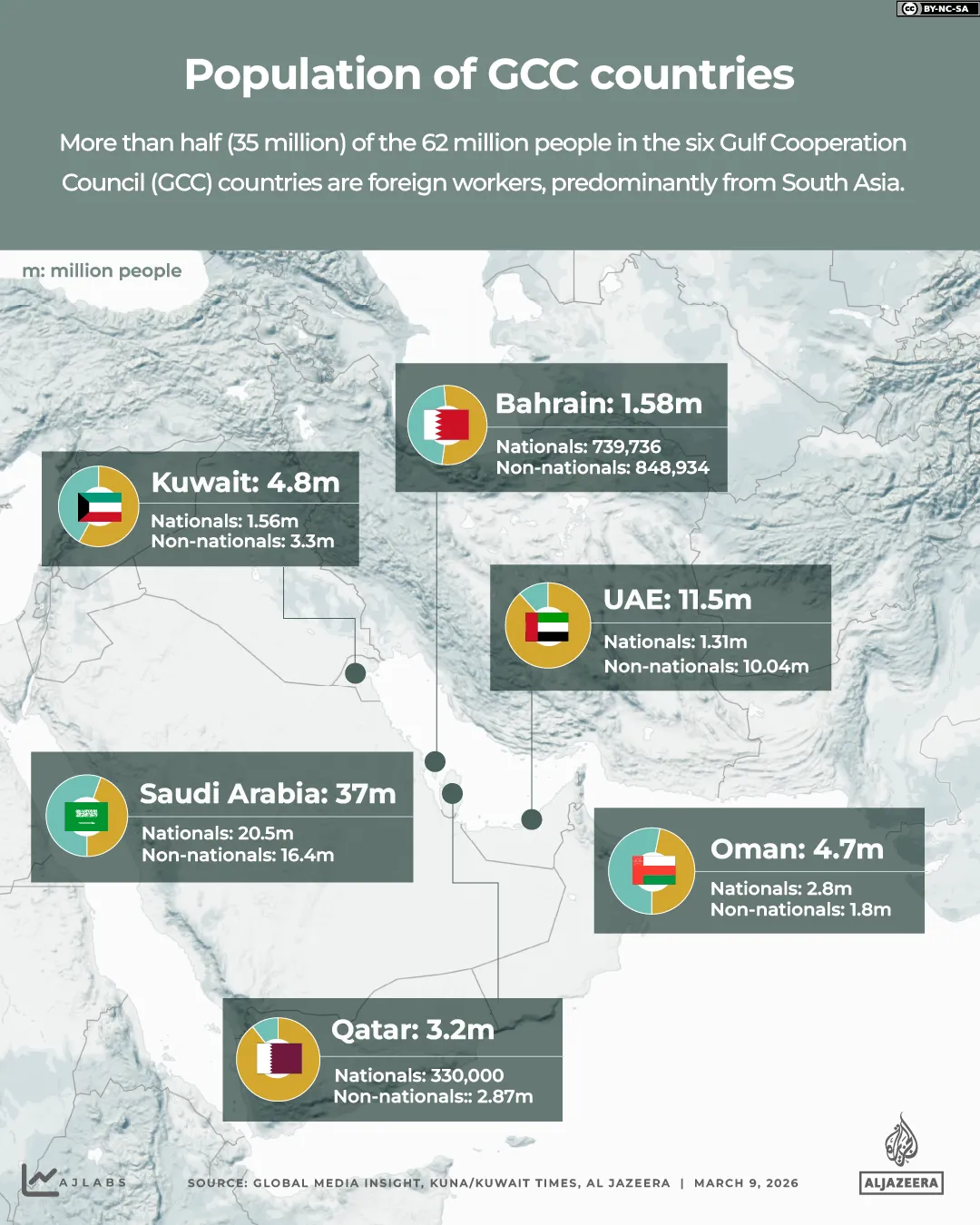
According to reporting by Al Jazeera, countries of the Gulf Cooperation Council — including Saudi Arabia, United Arab Emirates, Qatar, Kuwait, Oman and Bahrain — are facing major financial losses as the conflict spreads across the region.
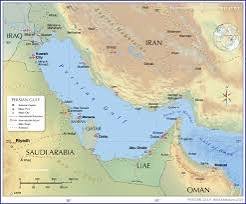
One of the biggest shocks has been the disruption of shipping through the strategic Strait of Hormuz, a vital waterway that normally carries about 20 million barrels of oil per day, nearly one-fifth of the world’s seaborne oil trade. Since the conflict escalated, exports through the strait have reportedly dropped to less than 10 percent of their usual levels.
The disruption has forced countries such as Iraq to cut oil production due to limited storage capacity. Officials are now seeking alternative routes and storage facilities, including using ports in Oman to manage surplus crude.
Gulf governments have also declared “force majeure” on several energy contracts because they are unable to meet export commitments. Energy analysts warn that prolonged disruption could cause major instability in global oil markets.
Meanwhile, Iran’s missile and drone attacks on regional targets have forced Gulf states to spend billions of dollars on air defence systems. While Iran’s strikes are estimated to cost a few hundred million dollars, countries like the UAE, Kuwait and Qatar have spent far more intercepting missiles using expensive systems such as the Patriot PAC-3 interceptor.
The conflict has also severely disrupted aviation and tourism in the Gulf, one of the world’s busiest air transit regions. Airspace closures have led to the cancellation of tens of thousands of flights, affecting major hubs like Dubai, Doha and Abu Dhabi.
Economists warn the crisis could trigger wider global consequences, including rising food prices. The Gulf region is a major exporter of fertilisers, and disruptions to gas production and shipping routes could reduce global supplies, increasing costs for agricultural production worldwide.
Analysts say the conflict is forcing Gulf governments to reassess their security and economic strategies as they deal with mounting financial losses and regional instability.








Leave a Reply