

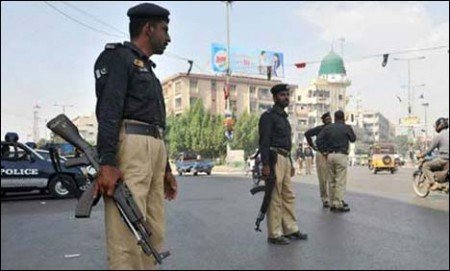
The recent spate of violent incidents across Pakistan paints a grim picture of a country grappling with a severe law and order crisis. From targeted attacks on law enforcement to assaults on healthcare workers and educational institutions, the safety of citizens — and the very fabric of societal stability — is increasingly under threat.
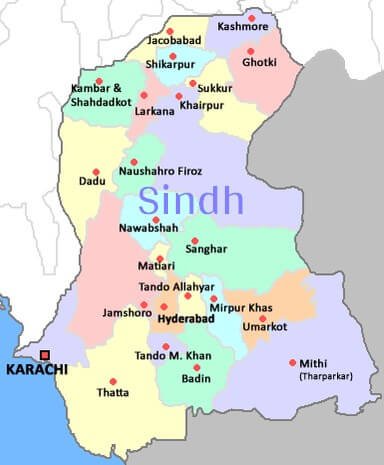
In Shikarpur, a police officer, Saghir Sanjrani, was martyred when armed assailants attacked a checkpost on Zarkhel Link Road. Not only was the officer shot dead, but his service weapon was also seized, highlighting a shocking brazenness among perpetrators and the vulnerability of even trained security personnel. Authorities responded with search operations, but the recurring nature of such attacks raises serious questions about preventive measures and intelligence efficacy.
Just a day prior, Kohat witnessed another tragic episode when six police personnel, including a deputy superintendent, were killed in an ambush while transporting detainees. The assailants executed a coordinated attack, setting the police vehicle ablaze and demonstrating the growing operational capabilities of militant networks in Khyber Pakhtunkhwa’s southern districts. These attacks are not isolated; they reflect an alarming trend of organized militancy targeting state functionaries.
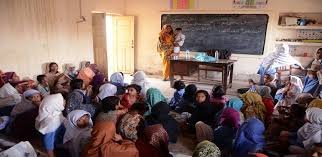
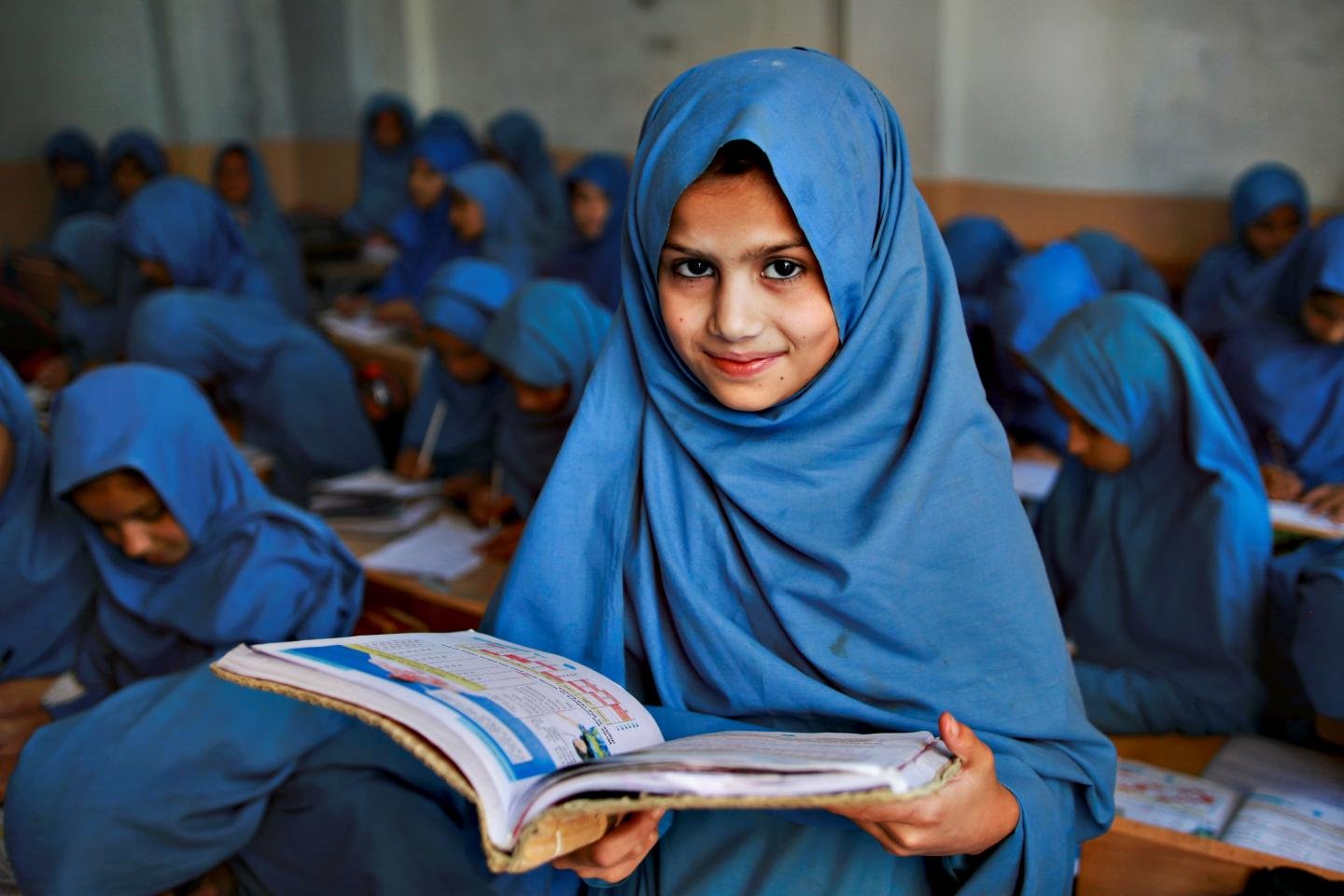
Adding to the crisis, the fatal shooting of Dr. Mehwish Hasnain outside KDA Divisional Headquarters Hospital in Kohat underscores the peril faced by civilians, particularly frontline professionals. The targeting of medical staff has led to citywide protests and suspension of services, emphasizing the chilling effect violence has on essential public services. Similarly, in South Waziristan, unidentified attackers detonated explosives at a government boys’ school in Birmal tehsil, destroying large portions of the building, further demonstrating that even educational institutions are no longer safe from acts of terror.
These incidents are symptomatic of deeper systemic failures. The recurring militant attacks, whether in Kohat, Shikarpur, or the former tribal districts, point to gaps in intelligence gathering, inadequate security protocols, and insufficient protection for frontline personnel and civilians alike. The frequency and boldness of these assaults suggest that militant groups are increasingly confident in exploiting weaknesses in law enforcement infrastructure.
While authorities have deployed additional forces and launched targeted operations in response, reactive measures alone are insufficient. A comprehensive strategy is required — one that strengthens local policing, enhances intelligence capabilities, enforces strict legal accountability, and ensures the protection of vulnerable groups such as healthcare workers, teachers, and students. Coordination between federal and provincial agencies must also be intensified to prevent militants from exploiting jurisdictional gaps.
The implications of failing to act decisively are profound. Beyond the immediate loss of life, such incidents erode public trust in the state, deter professional engagement in critical sectors, and destabilize communities. For Pakistan to maintain social cohesion and foster development, the government must prioritize law and order as a national imperative, rather than a regional or reactive concern.
The martyrdom of officers like Saghir Sanjrani, the deaths of Kohat police personnel, and attacks on hospitals and schools should serve as wake-up calls. Strengthening law and order is not merely a security measure; it is the foundation upon which Pakistan’s stability, progress, and collective future depend.








Leave a Reply