
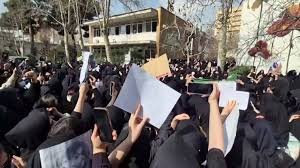
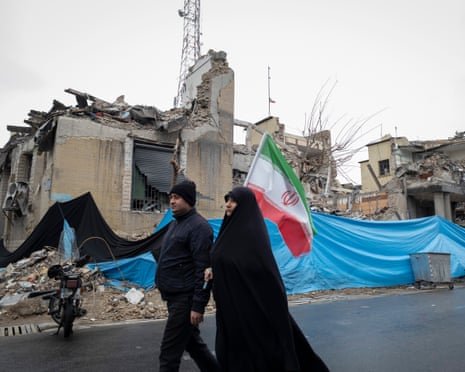
TEHRAN — A renewed wave of anti-government demonstrations led by university students has spread to campuses across Iran, marking the most significant unrest since the nationwide protests in December and January that were met with a sweeping crackdown.
The demonstrations began over the weekend, shortly after universities reopened following a month-long suspension of in-person classes. Authorities had closed campuses on January 4, citing “severely cold conditions.” Critics, however, argued that the closures were intended to preempt further student mobilization after weeks of unrest.
The protests coincide with commemorations marking 40 days since a violent escalation on January 8, when security forces intensified operations against demonstrators. That crackdown followed widespread anti-government rallies that had erupted across the country.
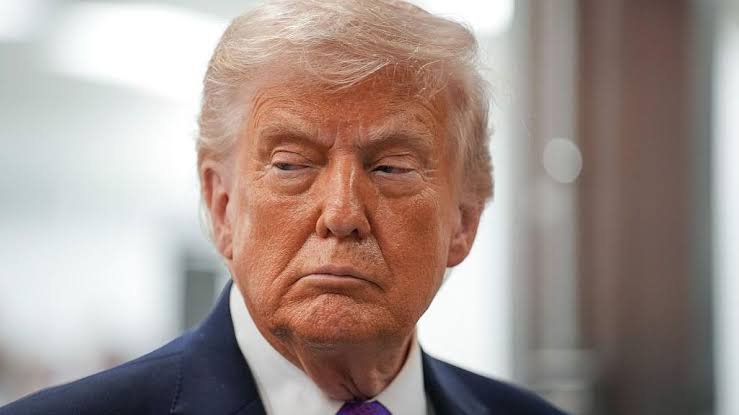
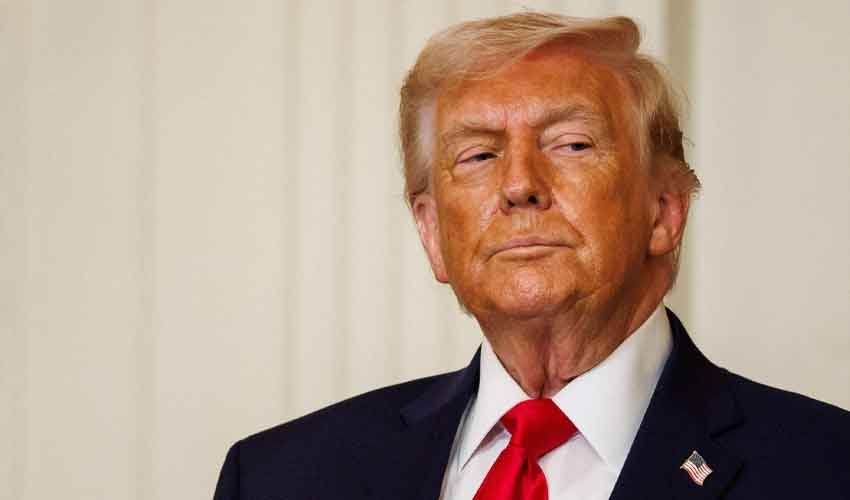
Casualty figures remain sharply disputed. The U.S.-based Human Rights Activists News Agency has reported thousands of deaths during the January crackdown, including children, though these figures have not been independently verified. Former U.S. President Donald Trump recently cited a death toll in the tens of thousands, while Iranian authorities have acknowledged a significantly lower number of fatalities.
The renewed campus demonstrations represent the first large-scale mobilization since the winter unrest. Universities in major cities — long seen as centers of political activism — appear once again to be at the forefront of dissent.
Iran’s government has not yet issued a comprehensive response to the latest protests. In past waves of unrest, authorities have deployed security forces to disperse gatherings, imposed internet restrictions and detained activists.
For many students, the reopening of campuses has provided both a physical space and a symbolic platform to revive demands that had been muted during the winter shutdown. Whether the protests will broaden into a sustained nationwide movement remains uncertain, but their rapid spread underscores persistent tensions within the country’s academic institutions — and beyond.


Leave a Reply