

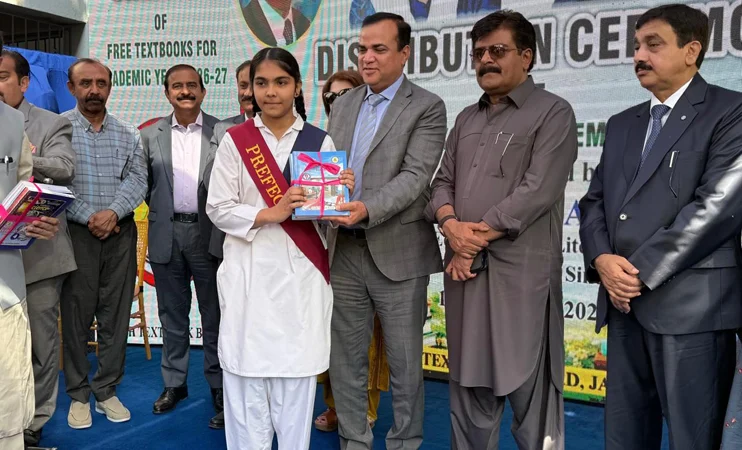
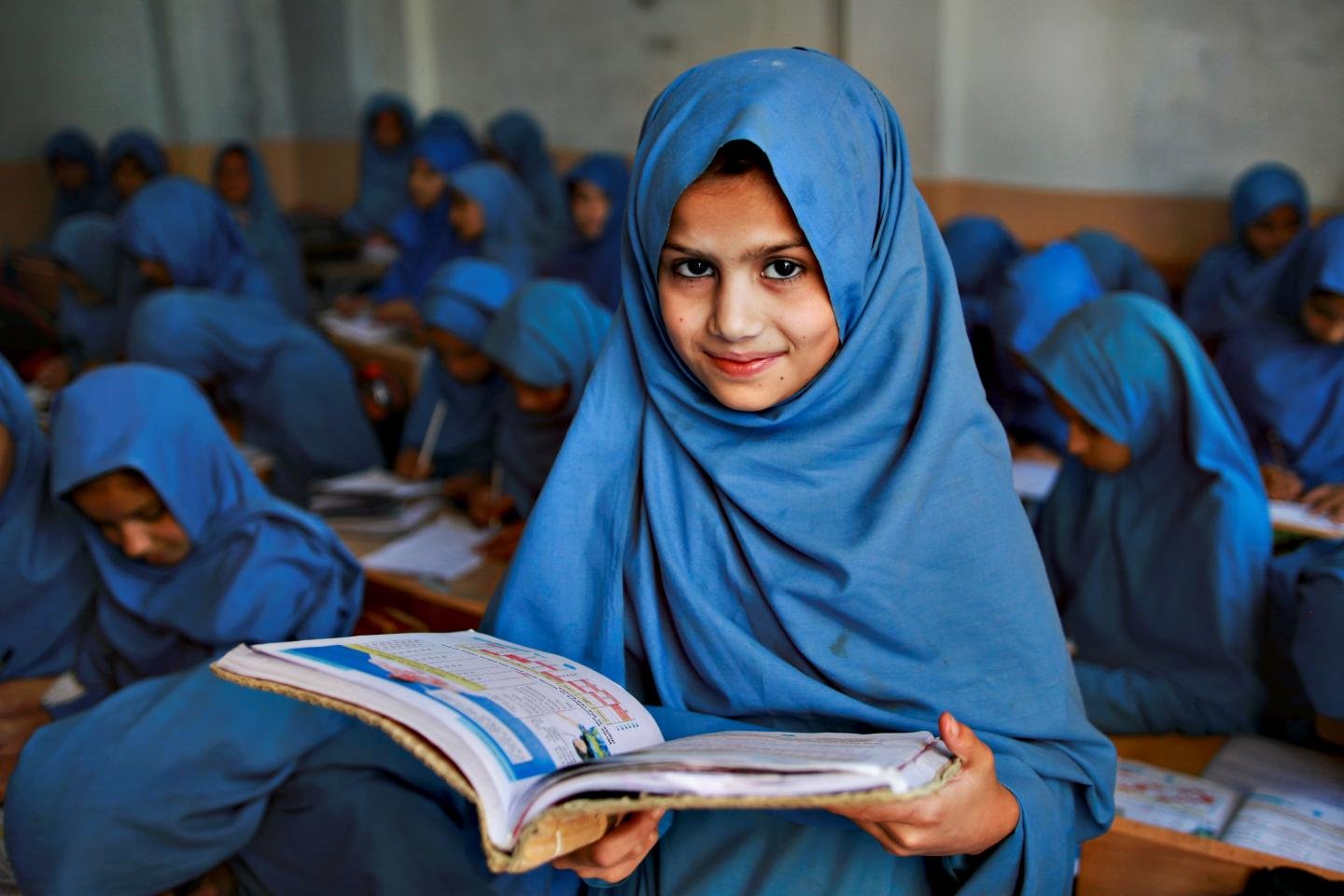
The recent launch of free textbooks by the Sindh Textbook Board for the 2026‑27 academic year marks a significant milestone in the province’s education sector. Covering students from Early Childhood Education to Grade 10, and encompassing 195 titles in Sindhi, Urdu, and English, the initiative ensures that 50 lakh students will have access to essential learning resources before the new academic year begins on April 1, 2026
.
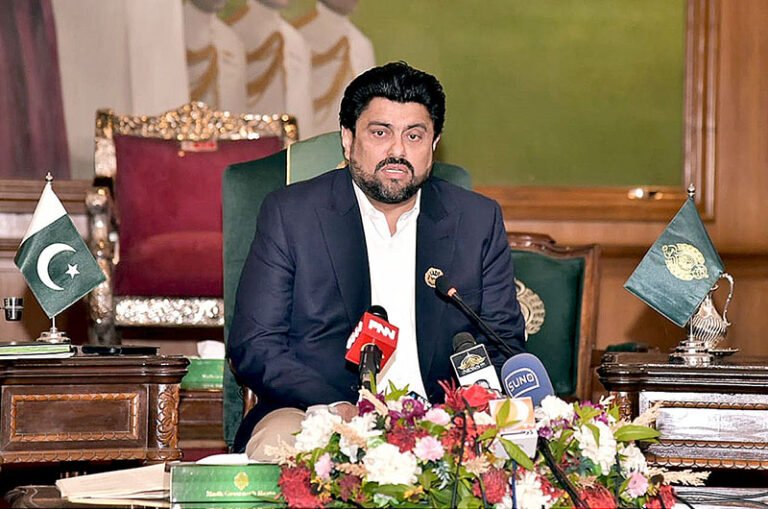
The launch ceremony, attended by Sindh Education Minister Syed Sardar Ali Shah, not only celebrated the timely publication of textbooks but also highlighted a broader vision for educational reform. Minister Sardar Ali Shah rightly acknowledged the board’s renewed efficiency after years of delays, signalling a return to accountability and responsibility. The timely distribution of textbooks is more than just an administrative success; it is a critical step in guaranteeing equitable access to education, especially for students in underserved areas.
Beyond the distribution of textbooks, the minister’s remarks underscored systemic changes that could have a lasting impact on education in Sindh. Financial decentralisation for secondary schools empowers institutions to manage their own resources, while performance-based funding, starting August 2026, will reward effective management and innovation. This move is likely to foster a culture of accountability and motivation among school leaders, ensuring that funds are utilised for tangible improvements in learning environments.
Perhaps most importantly, the minister emphasised the shift from rote memorisation to critical thinking and problem-solving, particularly in mathematics and other core subjects. In a world where knowledge alone is no longer sufficient, encouraging students to ask questions, analyse problems, and develop reasoning skills is essential for preparing future generations to navigate complex challenges.
The Sindh Textbook Board’s commitment to monitoring textbook quality, correcting errors, and updating content further reflects a proactive approach to education. Ensuring that textbooks are accurate, relevant, and accessible strengthens the foundation for meaningful learning. It demonstrates a recognition that quality education requires constant oversight and adaptation.
This initiative, while centred on textbooks, represents a broader commitment to transformative education in Sindh. It combines timely resource provision with governance reforms, pedagogical improvements, and institutional accountability. If implemented effectively, these measures could significantly enhance learning outcomes and prepare students not just to pass exams but to engage critically with the world around them.
In conclusion, Sindh’s textbook distribution is more than a logistical achievement — it is a tangible manifestation of the government’s commitment to free, quality education for all.
The challenge ahead will be to sustain this momentum, ensuring that financial autonomy, performance-based accountability, and pedagogical reforms are fully integrated into the educational ecosystem. If done right, Sindh could set a benchmark for progressive educational policies across Pakistan, shaping a future where students are not merely recipients of knowledge but active participants in their own learning journey.



Leave a Reply