

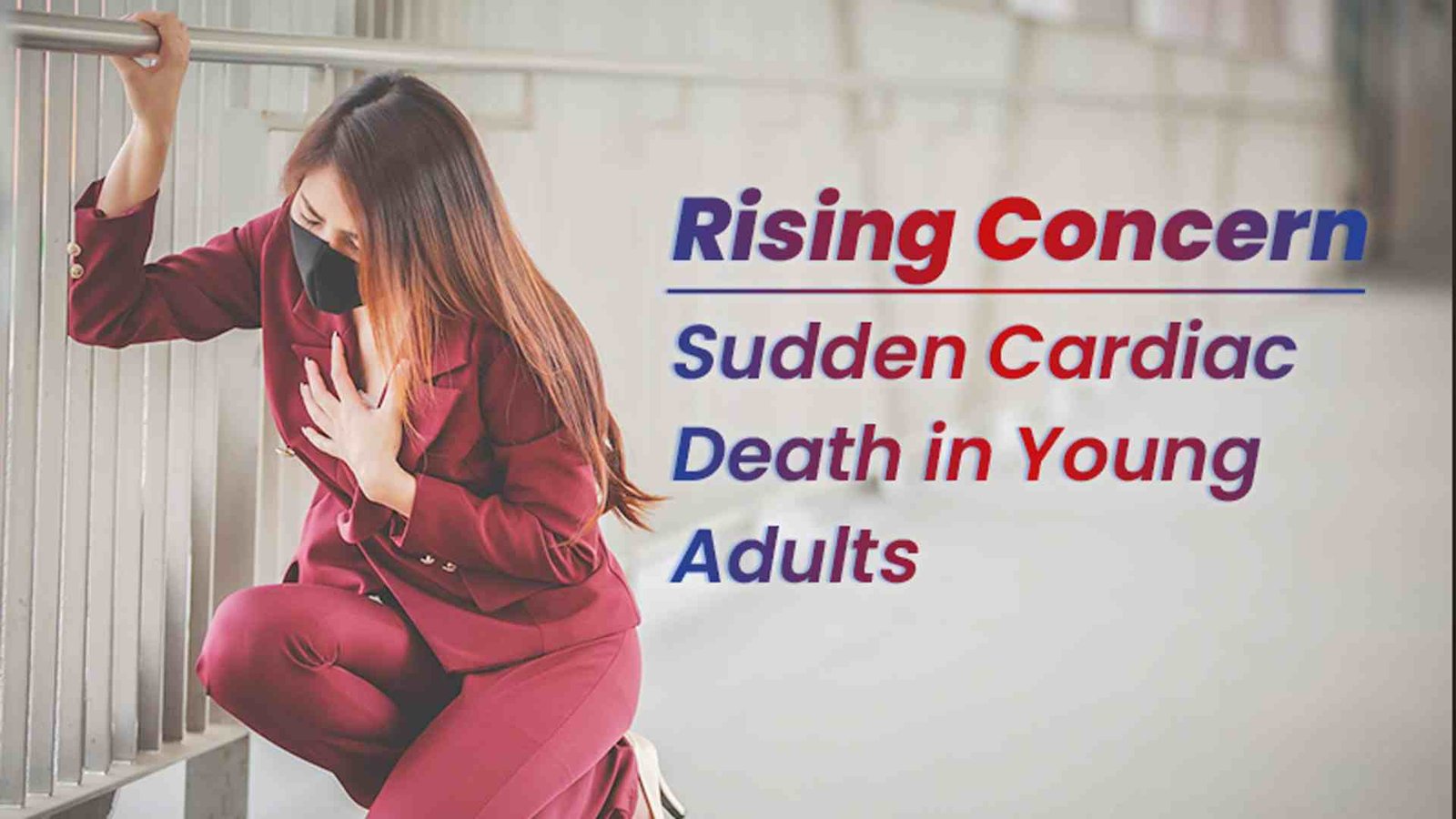
In recent years, doctors and health authorities around the world have observed a worrying trend: a steady rise in cardiac arrest cases among young people. Once considered a condition mainly affecting older adults, heart attacks and sudden cardiac deaths are increasingly affecting individuals in their twenties and thirties, raising alarm among health professionals and families alike.
Hospitals in major cities report a growing number of young patients admitted with acute cardiac events. Recent studies suggest that nearly one in five cardiac arrests now occurs in people under 40, and a significant portion of these incidents end in fatalities due to the sudden and severe nature of the condition. Delays in recognition and treatment often contribute to the high mortality rate.
Medical experts attribute this rise to several factors, many of which are preventable. Sedentary lifestyles, poor diet, and obesity have become more common among young people. High consumption of fast food, sugary drinks, and processed snacks leads to the buildup of cholesterol and fat deposits in arteries, increasing the risk of a heart attack.
High levels of stress, anxiety, and depression, often caused by academic pressures, work demands, and social challenges, can also trigger heart problems. Chronic stress raises blood pressure and inflammation, both of which put extra strain on the heart. The use of tobacco, alcohol, and recreational drugs such as cocaine and amphetamines further increases the risk by causing irregular heart rhythms and long-term arterial damage.
Undiagnosed medical conditions, including hypertension, diabetes, and genetic heart defects, often remain unnoticed until a critical event occurs. Many young victims had no prior symptoms, highlighting the importance of regular health checkups. Awareness is another challenge, as young people often underestimate the risk of heart disease and delay seeking medical attention for warning signs such as chest pain, shortness of breath, or palpitations.
The death of a young person from cardiac arrest has a profound emotional and economic impact. Families lose a vital source of support, and society bears the burden of preventable health crises. Experts warn that without urgent interventions, the trend is likely to worsen, especially in urban areas where lifestyle-related risks are higher.
Health authorities recommend a combination of lifestyle changes and medical vigilance to reduce the risk. Regular exercise, a balanced diet with fruits, vegetables, whole grains, and lean proteins, stress management techniques such as meditation or yoga, regular checkups, and avoiding harmful substances are all crucial steps.
Public health campaigns are also essential to educate young people about heart health. Schools, colleges, workplaces, and social media platforms can play an important role in raising awareness about the warning signs of cardiac distress and the importance of early medical intervention.
The increasing incidence of cardiac arrests among young people is a wake-up call for families, communities, and governments. While genetics play a role, lifestyle choices, stress management, and preventive care largely determine outcomes. By adopting healthier habits and prioritizing awareness, it is possible to curb this alarming trend and save many young lives.














Leave a Reply