

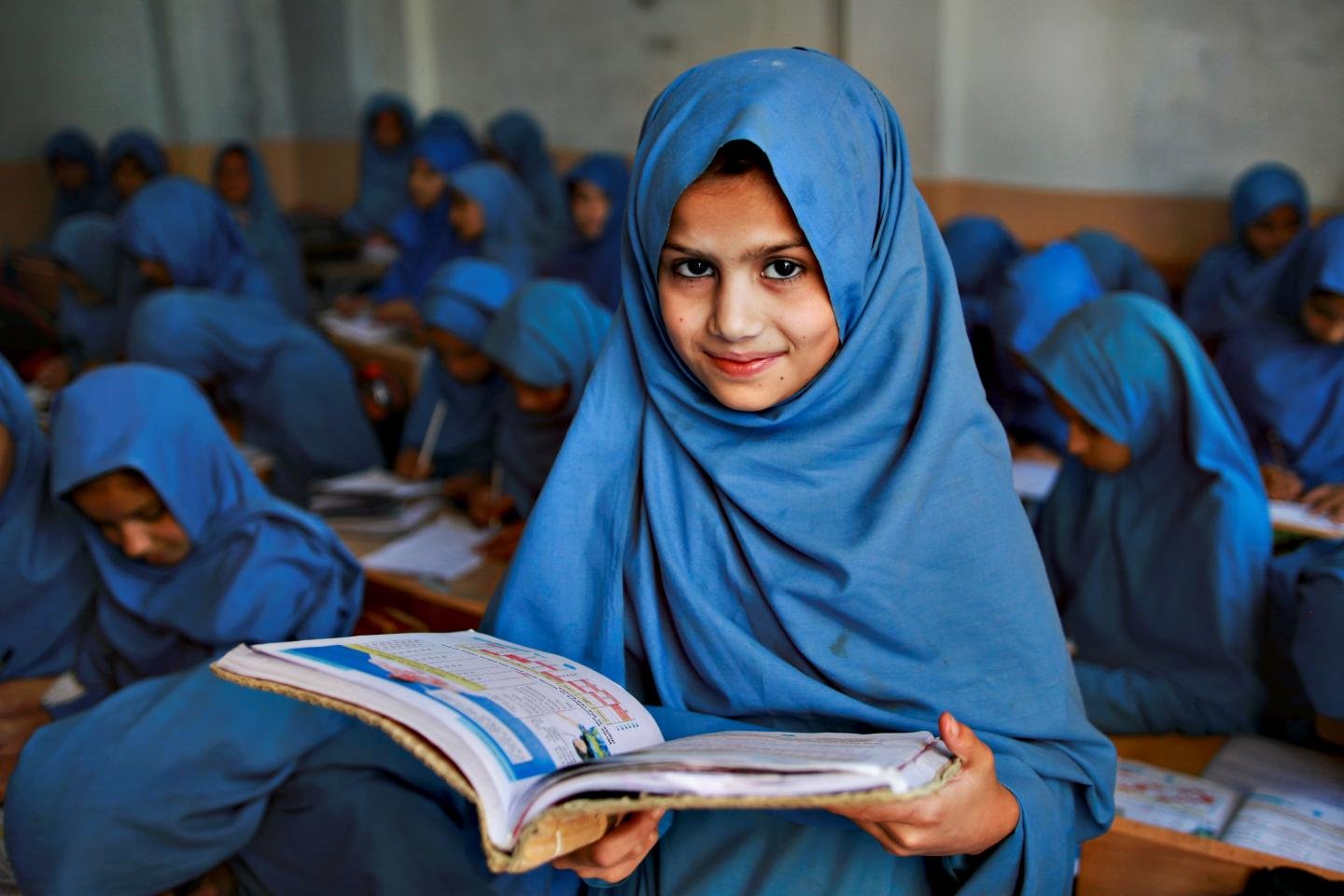
Education in Pakistan remains a story of worrying imbalances. While millions of children are enrolled in schools across the country, an equally troubling number—estimated to be in the millions—remain out of school altogether, denied even the basic right to learn. These out‑of‑school figures, higher in rural and underdeveloped districts, are a stark reminder that access to education remains uneven despite decades of reform efforts.
Within the existing system, government schools still bear the bulk of this responsibility. Across the provinces, the majority of children attend public institutions. In Punjab and Sindh, government school enrolment outnumbers that of private institutions by several folds. In Khyber Pakhtunkhwa and Balochistan, government schools dominate almost entirely, as private schools are few and often beyond the reach of low‑income families. Private schools, though expanding in urban centres, serve only a minority of students.
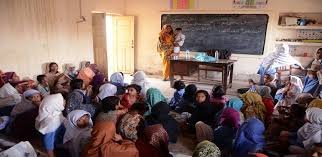
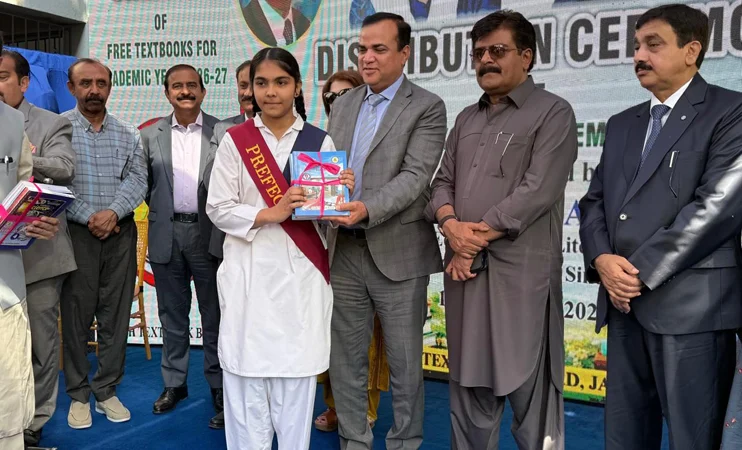
There is a paradox at the heart of this system. Teachers in government schools are often more qualified and competent than those in private schools. Many hold advanced qualifications and years of classroom experience. Yet their potential is constrained by overcrowded classrooms, inadequate infrastructure, and severe shortages of textbooks and learning materials. In some schools, students struggle to find even a notebook or a pen, while teachers do their best under challenging circumstances.
Another troubling issue is the lack of meaningful engagement between schools and communities. In many government schools, parents rarely visit to inquire about their children’s progress or the quality of teaching. This absence of parental involvement weakens the accountability that lies at the heart of effective schooling. Private schools, by contrast, have built‑in mechanisms of checks and balances. Regular progress reports, parent‑teacher meetings, and performance interventions create a more structured and responsive environment—albeit one that comes at a financial cost that many Pakistani families cannot afford.
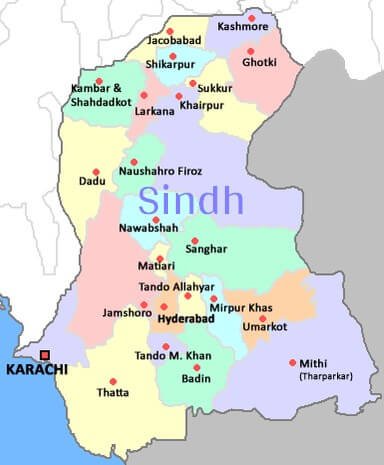
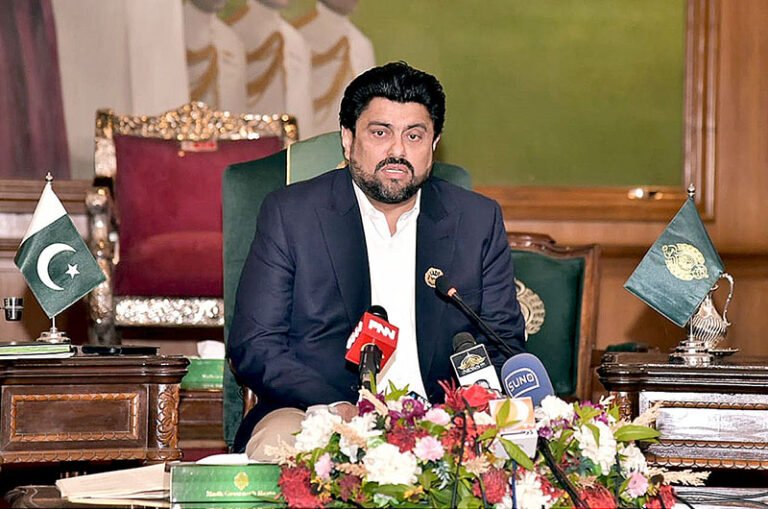
Amid these systemic challenges, recent policy innovations offer a glimmer of hope. Sindh’s Education Minister, Syed Sardar Ali Shah, has introduced the concept of cluster hub schools—an initiative aimed at resourcing groups of schools collectively rather than leaving them to struggle in isolation. The idea is to concentrate resources, training, and leadership in hub institutions that can support surrounding schools with teacher development, shared facilities, and improved learning practices. Complementing this is the strategic use of school‑specific budgets, which aims to ensure that financial resources are tailored to the unique needs of individual schools rather than distributed evenly regardless of circumstance. This approach recognises that a one‑size‑fits‑all allocation does little to support the schools that are most in need.
These reforms are promising because they acknowledge what many educators have long said: better education is not only about more spending, but smarter, needs‑based spending. When resources are directed where they are most needed—smaller classes, better textbooks, teacher training, and stronger leadership—the capacity of government schools to deliver quality education improves.
The challenges remain immense. Bridging the gap between the quality of private and public schooling, enrolling the millions of out‑of‑school children, and ensuring that every classroom has the materials and attention it needs will require sustained commitment. But initiatives such as cluster hub schools and school‑specific budgeting represent steps in the right direction—steps that other provinces would do well to consider.
Education is not merely an individual benefit; it is a national imperative. Pakistan cannot afford to leave behind its children—neither those in the overcrowded classrooms of public schools nor the millions whose names do not yet appear on any school register. For genuine progress, we must support our teachers, educate our parents to be partners in learning, and strengthen a system that serves all, not just the fortunate few.




Leave a Reply