


In today’s world, technology is part of almost every aspect of our lives, reshaping how we learn, access information, and manage our health. While digital tools have made education more engaging and health information more accessible, they also come with challenges. Excessive use of technology or poor digital habits can increase stress, lower academic performance, and make it harder for learners to manage themselves. This shows that technology alone isn’t enough—we need a careful and balanced approach to integrating it into education.
A critical concept in this context is digital health literacy—the ability to find, understand, evaluate, and use online health information effectively and safely to make informed decisions about one’s health. It is not just about accessing information but knowing which sources are reliable, interpreting the content correctly, and applying it responsibly. Research shows that teaching learners these skills, along with mindfulness, stress management, and healthy behavior habits, improves both learning outcomes and overall wellbeing.
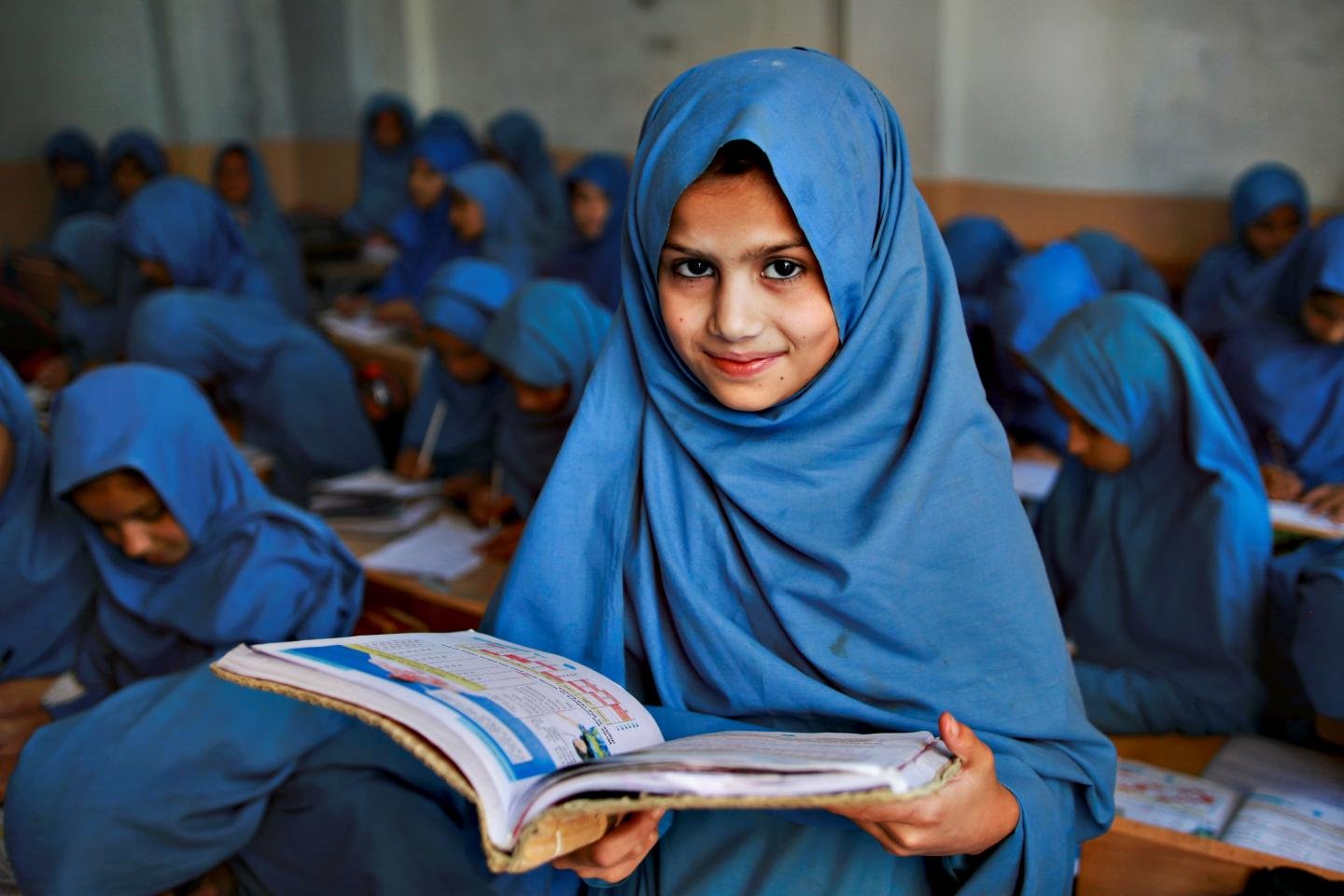
Pakistan provides a clear example of both the opportunities and challenges of digital health literacy. With over 150 million internet users, students, parents, and healthcare seekers increasingly rely on online platforms for health information. Yet surveys reveal that many people struggle to distinguish reliable health information from misinformation, while students spending excessive time online face stress, disrupted sleep, and declining academic performance. Simply having access to technology is not enough; education and guidance are essential to ensure it is used effectively.
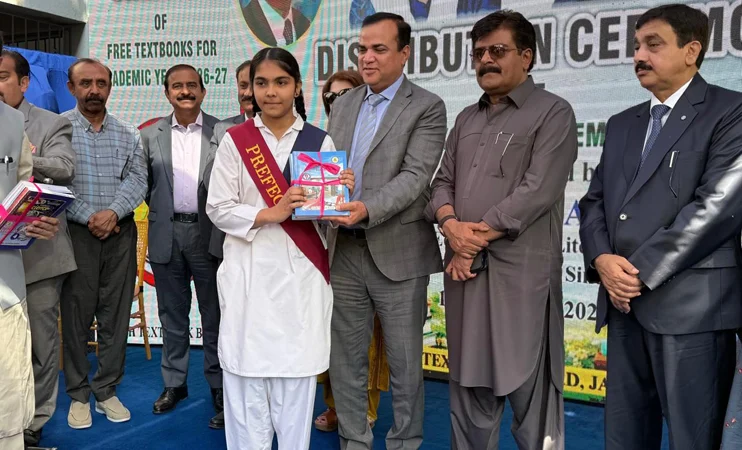
Some schools and institutions in Pakistan are beginning to introduce programs that teach digital health literacy, combined with mindfulness and stress-management activities. These initiatives help students manage their time online, critically evaluate information, and take care of their mental and physical health. However, much more needs to be done. Programs must reach more students, educators need proper training, and families should be supported in guiding children toward healthy digital habits.
Lessons from around the world are clear: technology in education and health is most effective when paired with wellbeing and literacy. Countries that equip learners to use digital tools responsibly, think critically, and care for themselves see better outcomes in both learning and health. For Pakistan, with its young population and rapidly growing digital landscape, prioritizing digital health literacy can transform the challenges of technology into real opportunities for learning, wellbeing, and personal growth.
Ultimately, digital health literacy is not just an extra skill—it is essential. When learners are able to navigate online information safely and balance their digital lives, they grow into informed, healthy, and resilient individuals, ready to face the demands of the modern world.






Leave a Reply