

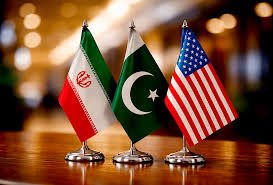
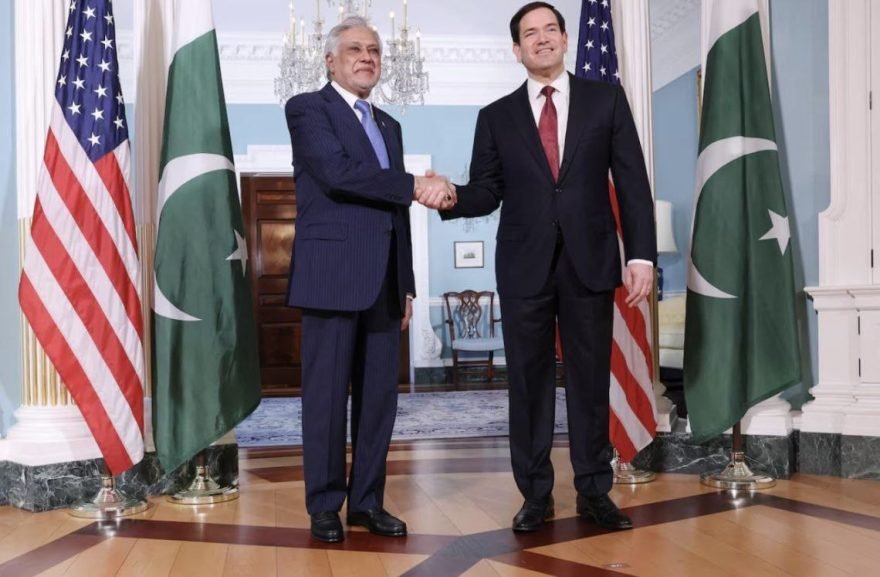
In a major diplomatic move, Pakistan has proposed a “two-phased” truce plan aimed at ending the ongoing conflict between the United States, Israel, and Iran, while also seeking to reopen the vital Strait of Hormuz.
According to reports, the proposed framework—tentatively dubbed the “Islamabad Accord”—envisions an immediate ceasefire followed by a broader political settlement within 15 to 20 days. A longer-term agreement could then pave the way for lasting peace and stability in the region.
The initiative has reportedly been spearheaded by Pakistan’s army chief, Asim Munir, who has been in continuous contact with key international figures, including senior US officials and Iran’s Foreign Minister Abbas Araghchi.
Under the proposed plan, an initial ceasefire could last up to 45 days, during which negotiations would continue toward a permanent resolution. The final agreement is expected to include commitments from Iran regarding its nuclear program in exchange for sanctions relief and the unfreezing of assets.
However, Tehran has signaled resistance, stating it will not reopen the Strait of Hormuz as part of a temporary ceasefire and will not accept externally imposed deadlines. Iranian officials have also rejected a separate 15-point proposal from Washington, calling it “illogical” and overly ambitious.
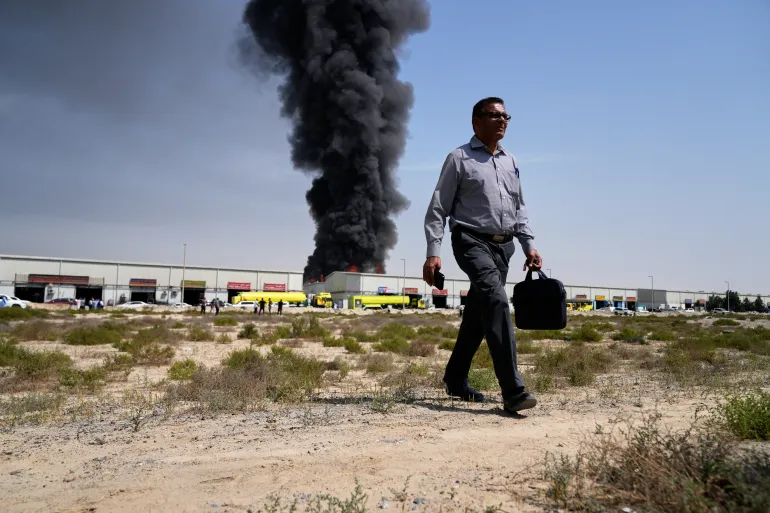
The diplomatic push comes amid escalating violence. Recent US-Israeli strikes in Iran have reportedly killed dozens, including attacks on key infrastructure such as a major university in Tehran and the South Pars petrochemical facility.
Analysts describe Pakistan’s role as “frantic diplomacy,” attempting to bridge deep mistrust between the parties. While Islamabad is engaging with Iran’s political, military, and religious leadership, significant challenges remain due to ongoing hostilities and lack of trust.
The outcome of this proposal could prove critical, as the Strait of Hormuz—through which over 20% of the world’s oil and gas flows—remains a central flashpoint in the crisis, with global economic stability hanging in the balance.














Leave a Reply