

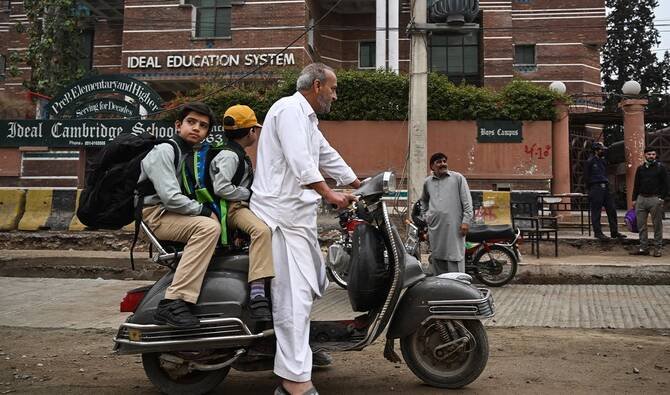
Schools in several cities across Pakistan have begun moving classes online after the government ordered temporary closures of educational institutions as part of emergency fuel-saving measures introduced during the ongoing global energy crisis.
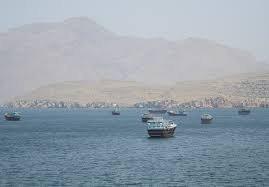
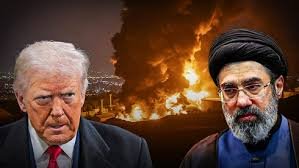
The steps come after international oil prices surged amid escalating tensions involving the United States, Israel and Iran, which analysts say could disrupt global energy supplies passing through the strategically important Strait of Hormuz.
Authorities in Islamabad announced a series of nationwide austerity measures aimed at reducing fuel consumption as the country grapples with rising energy costs. The measures include temporary closure of schools, remote work arrangements for many government employees and significant reductions in fuel allocations for official vehicles.
In cities such as Rawalpindi, parents said educational institutions had already informed families that teaching activities would continue through online platforms while school campuses remain closed.
Many schools communicated the shift to digital classes through social media and messaging platforms, instructing students to attend lessons from home until further notice.
Parents expressed concern that repeated disruptions to schooling could affect children’s academic progress. Some said they hoped authorities would keep closures short to avoid long interruptions in learning.
Education experts note that Pakistan’s schooling system is still recovering from disruptions experienced during the global outbreak of COVID-19, when educational institutions across the country remained closed for extended periods and millions of students were forced to rely on remote learning.
During the pandemic, some regions experienced school shutdowns lasting more than ten months, affecting nearly 40 million school-age children. Limited internet connectivity and the lack of digital devices prevented many students from fully participating in online education.
Analysts say the shift to virtual learning during that period led to significant learning gaps and pushed some children permanently out of the formal education system.
Even after the pandemic, Pakistan’s education sector has continued to face frequent disruptions due to environmental and seasonal challenges. Authorities in different regions have repeatedly closed schools during severe winter smog episodes, extreme heatwaves and unusually cold weather.
In some cases, these closures have lasted for more than a week, forcing schools to compress the academic calendar and adjust examination schedules.
Education specialists warn that repeated interruptions and reliance on online classes remain particularly challenging for students from low-income households, where reliable internet access and personal digital devices are often limited.
For many families, the latest shift to online education has revived memories of earlier disruptions and raised concerns about the long-term impact on children’s studies if the austerity measures continue for an extended period.
Pakistan relies heavily on imported crude oil and refined petroleum products, making its economy particularly vulnerable to fluctuations in international energy markets.
Officials say the current fuel conservation measures are intended to reduce pressure on energy consumption and government spending while global oil markets remain volatile due to the widening geopolitical conflict in the Middle East.









Leave a Reply