

The widening war between Iran and the joint military campaign of the United States and Israel entered a dangerous new phase on Friday as Iranian missiles and drones targeted strategic locations across the Gulf, including an Israeli diplomatic site in Bahrain and a major US military base in Qatar.
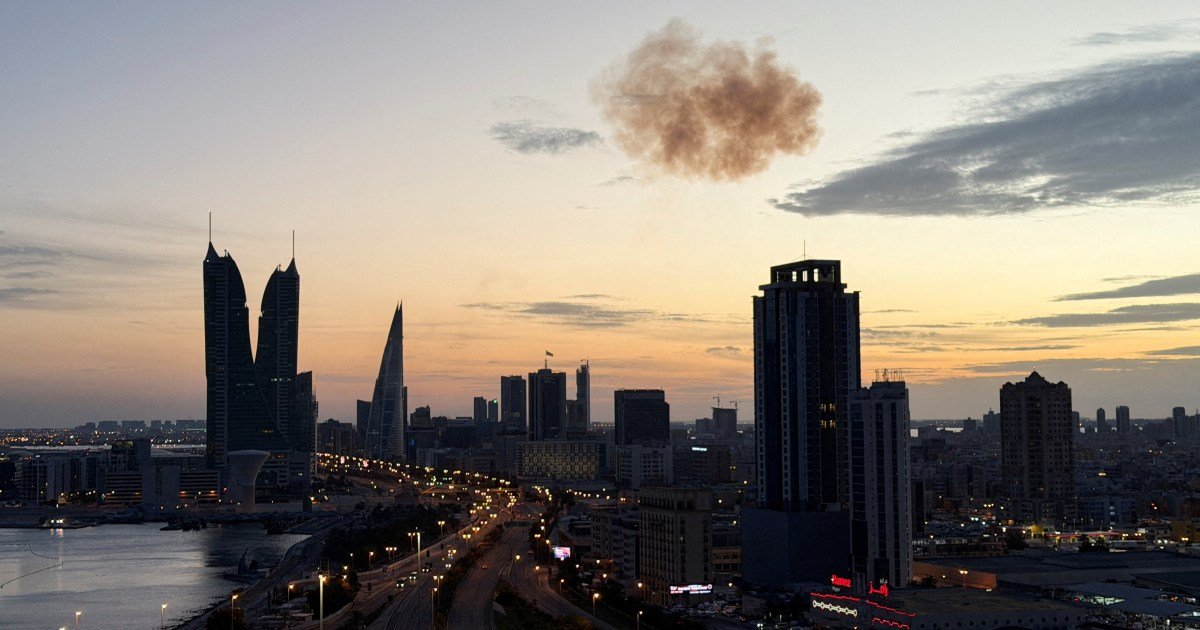
According to Iranian and regional reports, overnight attacks were directed toward the Financial Harbour Towers complex in Manama, the capital of Bahrain, which houses the Israeli embassy. Iranian state-linked media described the operation as part of Tehran’s retaliation against countries hosting American and Israeli military infrastructure.
Bahraini authorities confirmed that their air defense systems intercepted multiple aerial threats in the vicinity of the complex. Witnesses reported smoke rising over the harbor area after at least one Iranian drone was destroyed before reaching its intended target.
Massive Drone and Missile Barrage
In an official statement, the Bahrain Defence Force said its air defence units intercepted and destroyed 78 missiles and 143 drones that were heading toward Bahraini territory.
Military officials described the strikes as “treacherous attacks” and praised the combat readiness of their forces for preventing major damage. Authorities also issued public safety warnings, urging residents to remain indoors and avoid unnecessary travel as the security situation remained tense.
The attack on Bahrain marks one of the most direct Iranian strikes against a Gulf state since the war began earlier this week.
Qatar Intercepts Drone Targeting US Base
At the same time, Qatar’s Ministry of Defence reported that its air defence forces intercepted a drone targeting the strategically important Al Udeid Air Base.
The base hosts thousands of US personnel and serves as one of the largest American military facilities in the Middle East. It functions as a key command and logistics hub for US air operations across the region.
Officials said the drone was destroyed before reaching the base and no casualties were reported.
Saudi Arabia Also Reports Interceptions
Meanwhile, the Ministry of Defence in Saudi Arabia announced that its air defence systems intercepted a cruise missile east of the al-Kharj governorate, located southeast of the capital.
Later in the day, Saudi authorities said three additional drones were intercepted east of the Riyadh region. Officials did not provide further details regarding possible targets.
Regional Conflict Expands
The strikes demonstrate how rapidly the conflict has expanded beyond Iranian territory. Since the outbreak of hostilities between Iran and the US-Israel alliance, Tehran has warned that any country hosting American military bases could become a legitimate target.
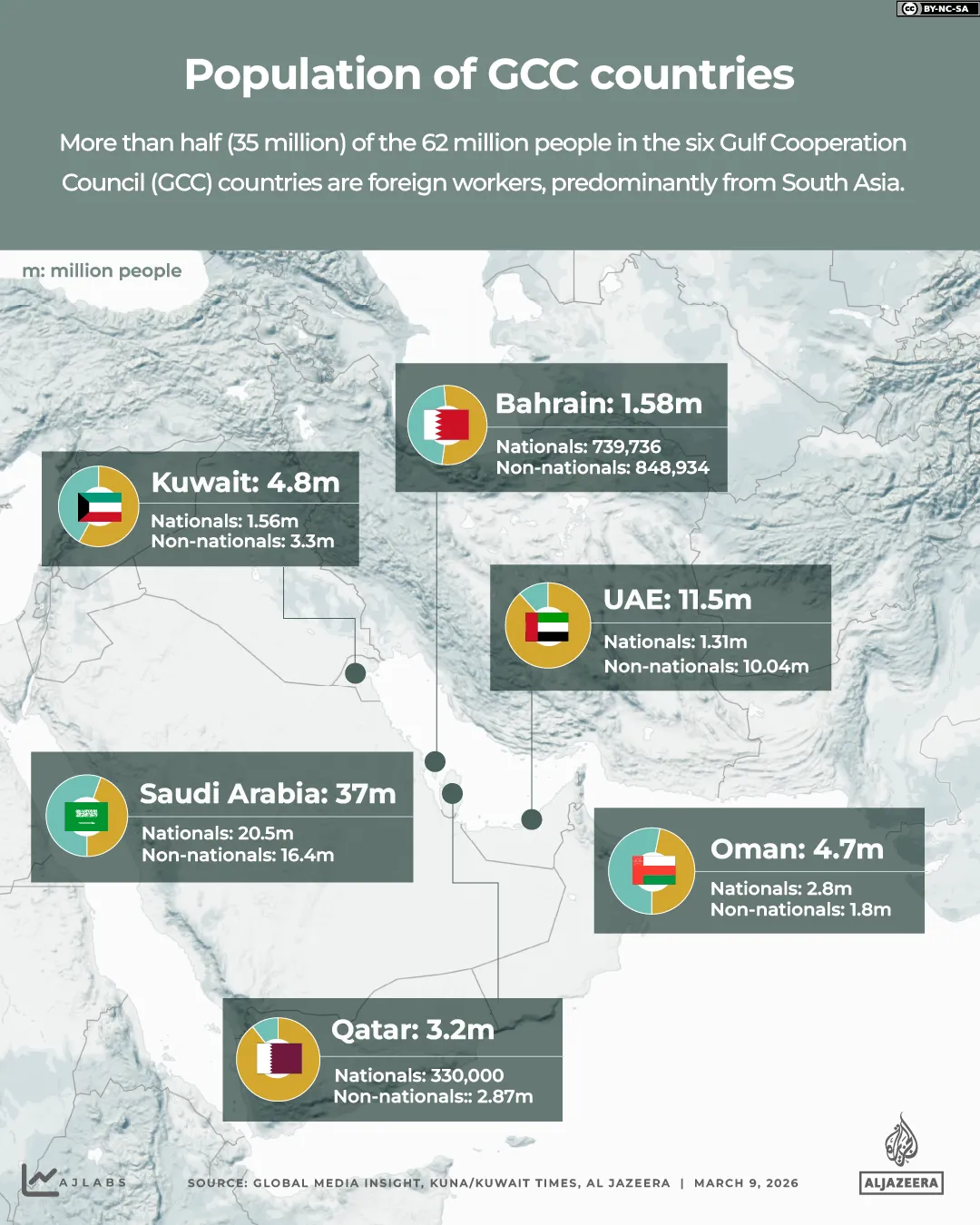
Several states across the Gulf now find themselves caught in the crossfire, including Bahrain, Qatar and Saudi Arabia, where US military facilities are located.
Analysts say the situation is particularly dangerous because many Gulf countries had previously attempted to maintain diplomatic balance between Iran and the United States.
Wider Geopolitical Fallout
Beyond the Gulf, the conflict has also raised concerns in neighbouring countries and regional powers including Turkiye and Azerbaijan, both of which are closely monitoring the rapidly escalating situation.
Military analysts warn that if strikes continue against Gulf states, the war could transform from a direct confrontation between Iran and the US-Israel alliance into a much broader regional conflict involving multiple governments.
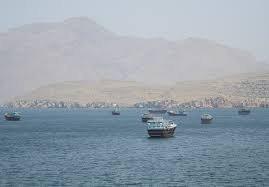
The expanding hostilities have also raised fears about global energy supplies and maritime security in key waterways, particularly the Strait of Hormuz, through which a significant portion of the world’s oil shipments pass.
Rising Tensions Across the Middle East
The current escalation follows several days of intense airstrikes on Iranian territory by US and Israeli forces, which Tehran says prompted its retaliatory missile and drone campaign across the region.
While most incoming weapons have been intercepted so far, officials across the Gulf have placed their militaries on high alert as the war enters its second week.
Diplomatic efforts to halt the fighting have so far shown little progress, raising fears that the conflict could continue to spread and draw in more regional actors in the coming days.
Iran Hits Israeli Embassy in Bahrain, Al Udeid Air Base in Qatar













Leave a Reply