

Since 2011, the United States has repeatedly tried to engineer a regime change in Syria through sanctions, support for opposition forces, political pressure, and limited military actions. Despite over a decade of sustained efforts, Washington did not succeed in ousting President Bashar al‑Assad. The Assad government has endured, largely because of strong internal control and decisive backing from allies such as Russia and Iran, demonstrating that external campaigns for regime overthrow often fail when met with entrenched domestic power and geopolitical resistance.
This historical pattern raises questions about similar ambitions toward Tehran. US leaders have long accused Iran of pursuing nuclear weapons and used these allegations as part of broader pressure strategies against the Islamic Republic’s government. Tehran insists its nuclear work is peaceful, and Iranian officials have publicly accused the United States of spreading misleading claims about their intentions to mislead the world and justify pressure or confrontation.
Recent reporting shows divisions within US intelligence and independent observers about how close Iran is to actual weapons capabilities. Some US leadership statements portray Iran as nearing a weapons‑grade threshold, while assessments from international agencies and intelligence sources indicate there is no clear evidence that Iran has operational weapons or is close to developing them, and enrichment activity has at times been disrupted or halted.
These contrasting narratives highlight how, as in Syria, political objectives can shape the way threats are communicated. If Washington’s goal in Tehran were to force internal overthrow or a radical political transformation based on such allegations, history suggests it would face substantial resistance and unintended consequences. The Syrian case demonstrates the limits of external attempts to reshape political orders, and the ongoing debate around Iran’s nuclear aspirations shows that allegations alone, especially when contested, are unlikely to produce regime collapse or compliance on US terms.
In both cases, pursuing change through pressure, military threats, or narrative framing has proven inadequate to deliver the dramatic outcomes sought from abroad, underscoring the challenges and failures inherent in trying to engineer political transformation in sovereign states from the outside.
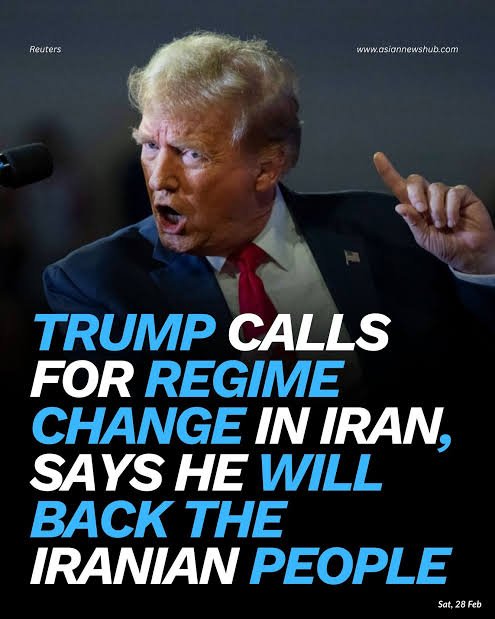
Will the US Succeed in Regime Change in Iran ?













Leave a Reply