

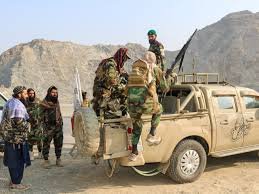
Islamabad — Pakistan’s military campaign across the border entered a new and forceful phase Friday, with the government claiming heavy losses inflicted on Afghan Taliban positions in what officials describe as a sustained effort to neutralize militant threats emanating from Afghan territory.
In a statement posted on X, Mosharraf Zaidi, spokesperson for Prime Minister Shehbaz Sharif on foreign media, said that 297 Afghan Taliban fighters had been confirmed killed and more than 450 injured during the latest phase of Operation Ghazab lil-Haq.
The spokesperson said 89 Afghan Taliban posts had been destroyed and 18 captured by Pakistani forces. He further claimed that 135 tanks and armored personnel carriers belonging to what he described as the Afghan Taliban regime had been destroyed.
“Twenty-nine locations across Afghanistan have been subjected to aerial targeting,” Zaidi wrote, indicating that airpower played a significant role in the campaign.
Pakistani officials say the operation is aimed at dismantling militant infrastructure that they accuse of orchestrating attacks inside Pakistan. The cross-border strikes mark one of the most extensive publicized military escalations between the two neighboring countries since the Afghan Taliban’s return to power in Kabul.
There was no immediate independent confirmation of the casualty figures or equipment losses cited by Pakistani authorities. Afghan Taliban officials have not publicly responded in detail to the latest claims.
The announcement comes amid heightened regional tensions and renewed security concerns along the porous frontier separating Pakistan and Afghanistan. Islamabad has repeatedly accused militant factions operating from Afghan soil of targeting Pakistani security forces and civilians, a charge that Kabul has often denied.
Operation Ghazab lil-Haq, officials say, is intended to signal resolve against what Pakistan describes as persistent cross-border militancy. Analysts warn, however, that sustained aerial targeting and ground incursions could deepen diplomatic strains and risk broader instability in an already fragile region.
The situation remains fluid, with further updates expected from both sides as the operation continues.














Leave a Reply