

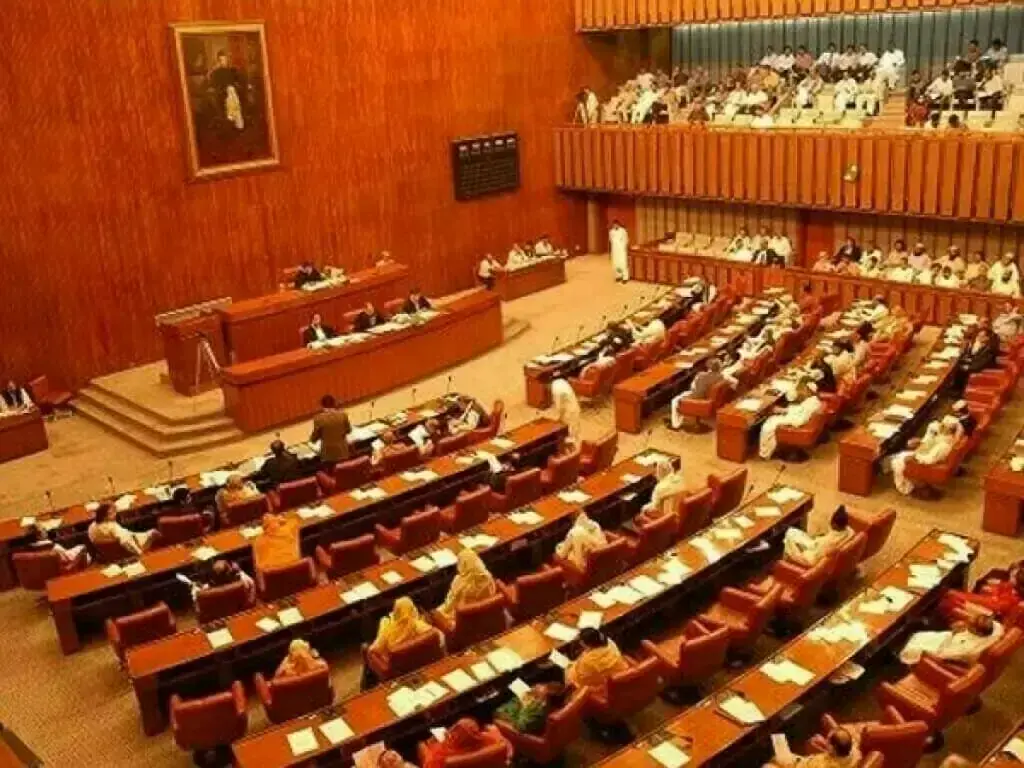
ISLAMABAD, Feb. 27, 2026 — Pakistan’s Senate has passed the Virtual Assets Bill 2026, setting the stage for formal regulation of the country’s fast-growing digital assets market and the creation of a supervisory framework aimed at protecting investors and curbing financial crime.
The legislation empowers the Pakistan Virtual Assets Regulatory Authority (PVARA) to oversee registration and licensing of virtual asset exchanges, custodians and other service providers, according to a statement issued Friday.
“The passage of this bill through the Senate represents a defining moment for Pakistan’s digital economy,” PVARA quoted its chairman, Bilal bin Saqib, as saying. “We are transforming years of unregulated activity into a transparent, secure, and investor-friendly ecosystem that positions Pakistan as a credible jurisdiction for virtual assets.”
From ban to regulatory framework
Pakistan banned cryptocurrency trading in 2018, citing concerns over financial volatility and money laundering. But amid surging global adoption and growing domestic demand, authorities in recent months have pivoted toward regulation rather than prohibition.
The new bill introduces mandatory licensing for virtual asset service providers, market surveillance mechanisms, and compliance requirements related to anti-money laundering (AML) and counter-terrorism financing (CTF). It also provides for coordination with existing financial regulators, including the State Bank of Pakistan and the Securities and Exchange Commission of Pakistan.
The legislation now moves to the National Assembly for consideration before being sent to President Asif Ali Zardari for assent.
Growing market, rising oversight
Pakistan ranks among the world’s largest markets for cryptocurrency adoption, with millions of users trading digital tokens through informal and offshore platforms. Officials say the new framework aims to channel that activity into a transparent and regulated ecosystem aligned with international standards.
Earlier this week, Senator Afnanullah Khan said major cryptocurrencies such as Bitcoin, Ethereum and XRP would soon be traded in Pakistan through licensed exchanges.
Last week, authorities also launched a regulatory sandbox allowing companies to test crypto-related products and services under official supervision before receiving full approval. The initiative is designed to balance innovation with consumer protection.
In January, Pakistan signed a memorandum of understanding with a firm affiliated with World Liberty Financial — a crypto-finance platform launched in 2024 and linked to the family of U.S. President Donald Trump — to explore the potential use of a dollar-pegged stablecoin for cross-border payments.
Supporters of the bill say it will help formalize a rapidly expanding sector, attract foreign investment and integrate Pakistan into the evolving global digital financial system. Critics caution that implementation and enforcement will be key to ensuring investor protection and maintaining financial stability.
For now, lawmakers have signaled a clear shift: from outright bans to structured oversight of a market that has already taken root among millions of Pakistanis.















Leave a Reply