

London/Tehran — February 25, 2026
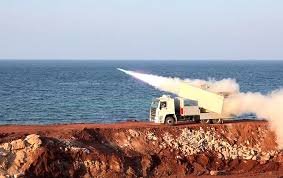
Iran is reportedly on the verge of a deal with China to purchase CM-302 supersonic anti-ship cruise missiles, a move that could dramatically enhance Tehran’s ability to threaten U.S. naval forces in the Persian Gulf and surrounding waters. The development comes as the United States has deployed a substantial naval presence to the region amid heightened tensions.
The CM-302 missiles, with an estimated range of 290 kilometers, are designed to fly at low altitude at supersonic speeds, making them difficult for shipborne defense systems to intercept, according to weapons experts.
“It’s a complete gamechanger if Iran has supersonic capability to attack ships in the area,” said Danny Citrinowicz, a former Israeli intelligence officer and senior Iran researcher at the Institute for National Security Studies in Israel. “These missiles are very difficult to intercept.”
Details of the potential transaction—including the number of missiles, costs, and delivery timeline—remain unclear, and it is uncertain whether China will proceed amid mounting international scrutiny and U.S. opposition.
“Iran has military and security agreements with its allies, and now is an appropriate time to make use of these agreements,” an Iranian foreign ministry official told Reuters, speaking on condition of anonymity.
U.S. Naval Reinforcements
The announcement coincides with a major U.S. naval deployment. The aircraft carrier USS Gerald R. Ford, the world’s largest warship, arrived at Souda Bay in Crete on its way to the Middle East. The U.S. has also positioned more than a dozen other ships in the region, including the aircraft carrier USS Abraham Lincoln, nine destroyers, and three additional combat vessels.
The presence of these forces underscores Washington’s readiness to respond to any threats against its interests or allies in the Gulf, particularly in light of potential Iranian missile acquisitions and escalating regional tensions.
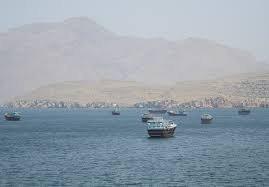
Analysts say the combination of supersonic missiles and Iran’s geographic position could complicate U.S. naval operations, particularly in narrow maritime chokepoints like the Strait of Hormuz, where Iran has historically demonstrated its ability to disrupt shipping during periods of confrontation.
The situation adds a new layer of complexity to ongoing U.S.–Iran negotiations over Tehran’s nuclear and missile programs, which have included both diplomatic and military pressure points in recent months.









Leave a Reply