


Gaza City and Istanbul — February 25, 2026
In a move drawing global condemnation, Israel’s recent measures to extend its control over the West Bank have been denounced as unlawful by a coalition of nearly 20 countries and regional organizations. The expansion, critics warn, undermines prospects for peace and a two-state solution.
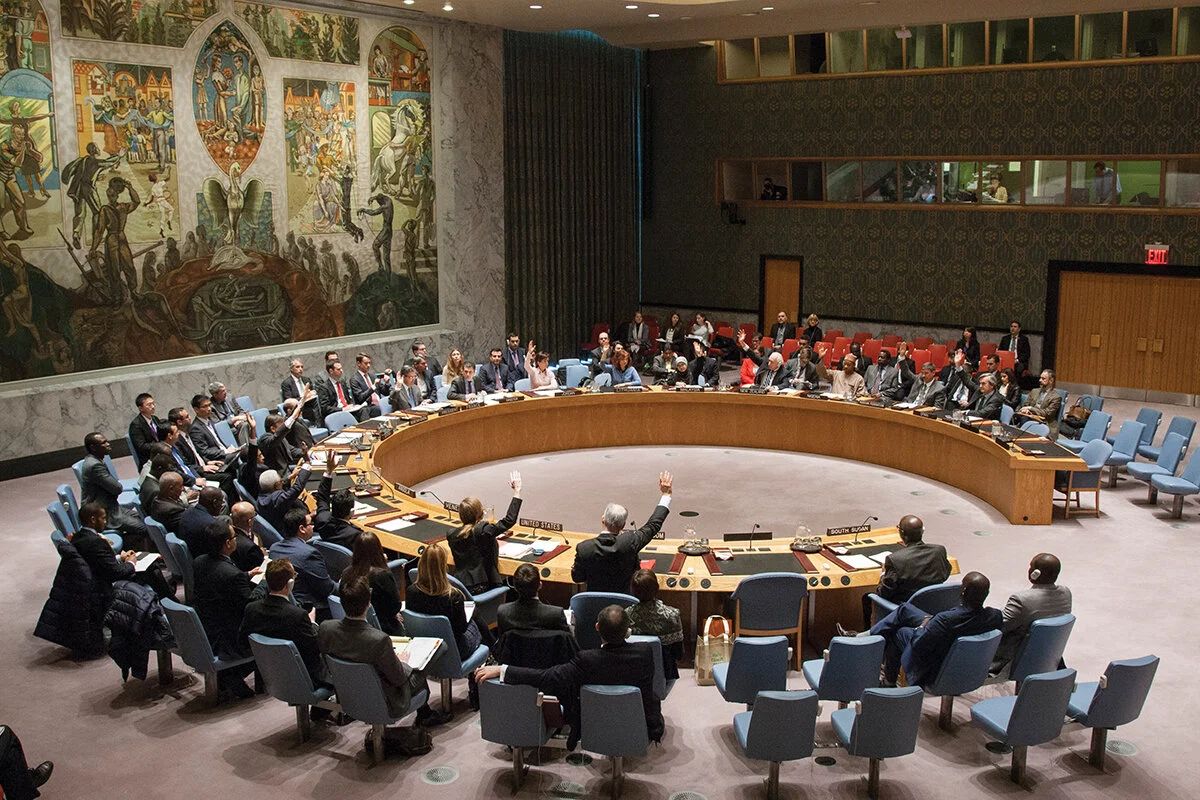
The joint statement, issued by the Turkish Foreign Ministry and co-signed by Brazil, France, Spain, Turkiye, Saudi Arabia, Egypt, Qatar, and the heads of the Arab League and Organization of Islamic Cooperation, accused Israel of “reclassifying Palestinian land as Israeli ‘state land’ and accelerating settlement activity” in a “deliberate attempt to entrench de facto annexation.”
“Such actions are a direct attack on the viability of a future Palestinian state,” the statement said.
On Feb. 15, Israel’s Cabinet approved policies easing the purchase of land by settlers and consolidating administrative control over the occupied West Bank. Palestinians have condemned the measures as “de facto annexation.” According to activists, Israel’s current government approved 54 new settlements in 2025 alone, marking a record pace.
Hamas also welcomed the international condemnation and called for sanctions against Israel, describing the expansion as a “flagrant violation of international law and UN resolutions.” The group urged participating countries to impose “deterrent measures” to halt the settlement and annexation policies.
Humanitarian Operations Under Threat
The policy shift coincides with mounting challenges for humanitarian organizations operating in the Palestinian territories. Seventeen NGOs, including Doctors Without Borders (MSF), Oxfam, CARE, and the Norwegian Refugee Council, have petitioned Israel’s Supreme Court to block an order that could shutter their operations in Gaza, the West Bank, and East Jerusalem.
The organizations argue that new registration requirements, which include sharing lists of Palestinian staff with Israeli authorities, violate principles of neutrality and international humanitarian law. Failure to comply would force the NGOs to halt critical operations starting March 1, potentially leaving millions of Palestinians without medical care and food assistance.
“Turning humanitarian organizations into information-gathering arms for a party to the conflict contradicts the principle of neutrality,” said the petition, which emphasizes the risk to staff and the broader population.
Since the outbreak of war in October 2023, the UN reports that 133 NGO workers have been killed in Gaza, including 15 MSF employees. Organizations provide more than half of Gaza’s food assistance and nearly all inpatient treatment for children with severe malnutrition.
Audrey Rayburn, director of AIDA, an umbrella group for international NGOs, stressed the importance of these operations: “In Gaza, where foreign media cannot enter, NGOs are often the only witnesses to the conflict.”
The dispute also highlights the tension between Israel and humanitarian actors. Israel banned the UN agency for Palestinian refugees, UNRWA, from coordinating operations in the West Bank last year, citing alleged links to Hamas. NGO representatives say the lack of coordination complicates aid delivery and risks civilian welfare.
“Israel acted without proper authority, as the Oslo Accords assign registration of organizations to the Palestinian Authority,” said Yotam Ben-Hillel, the Israeli attorney representing the petitioners.
With both political and humanitarian crises converging, the West Bank and Gaza remain at the center of international attention, as governments and organizations seek to prevent further escalation while safeguarding vulnerable populations.












Leave a Reply