

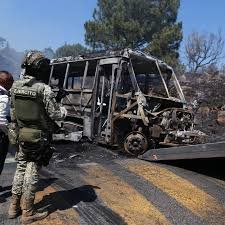
PUERTO VALLARTA, Mexico — Within hours of the reported killing of one of Mexico’s most powerful drug traffickers, gunmen set vehicles ablaze, blocked highways and attacked security forces across several western states, plunging parts of the country into renewed turmoil.
A government source said that Nemesio Oseguera, known as “El Mencho,” was killed Sunday during a military raid in the town of Tapalpa, in Jalisco state. He was the longtime leader of the Jalisco New Generation Cartel, or CJNG, one of Mexico’s most formidable criminal organizations.
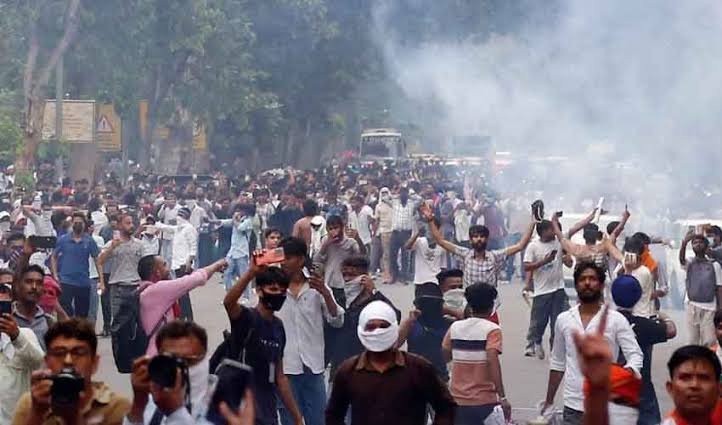
In apparent retaliation, suspected cartel members torched cars and trucks, erected roadblocks and opened sporadic gunfire in more than half a dozen states, including Jalisco, Guanajuato, Colima and Aguascalientes. Authorities urged residents and tourists in some areas to remain indoors as security forces fanned out to regain control.
In the beach resort city of Puerto Vallarta, plumes of black smoke rose above palm-lined streets as stunned tourists filmed burning vehicles from hotel balconies and piers. Several airlines, including Air Canada, United Airlines and Aeromexico, canceled flights to the area on Sunday.
A member of CJNG, speaking on condition of anonymity, told Reuters that the attacks were carried out in revenge for the cartel leader’s death and warned of further bloodshed as factions vie for control. Security analysts say the vacuum left by Oseguera could ignite internal power struggles that last months or even years.
Oseguera, a former police officer turned kingpin, transformed CJNG from a regional gang into a sprawling criminal enterprise involved in drug trafficking, fuel theft, extortion, human smuggling and financial crimes. Under his leadership, the cartel became notorious for its heavy weaponry and its use of drones in attacks in rural areas.
Sunday’s operation marks one of the most significant blows against organized crime in recent years. Mexico’s drug war has spanned nearly two decades, with successive administrations targeting cartel leaders in hopes of weakening their networks. Yet past high-profile arrests and killings have often triggered violent reprisals.
In 2019, the brief detention and release of Ovidio Guzmán, a son of Joaquin Guzman, led to fierce gun battles in the city of Culiacán. His subsequent arrest in 2023 again sparked unrest. The 2024 arrest of Ismael Zambada fractured the rival Sinaloa Cartel and set off an internal conflict that continues.
President Claudia Sheinbaum acknowledged the latest violence in a social media post but said that most of the country remained calm. She pledged continued cooperation with the United States while emphasizing Mexico’s sovereignty.
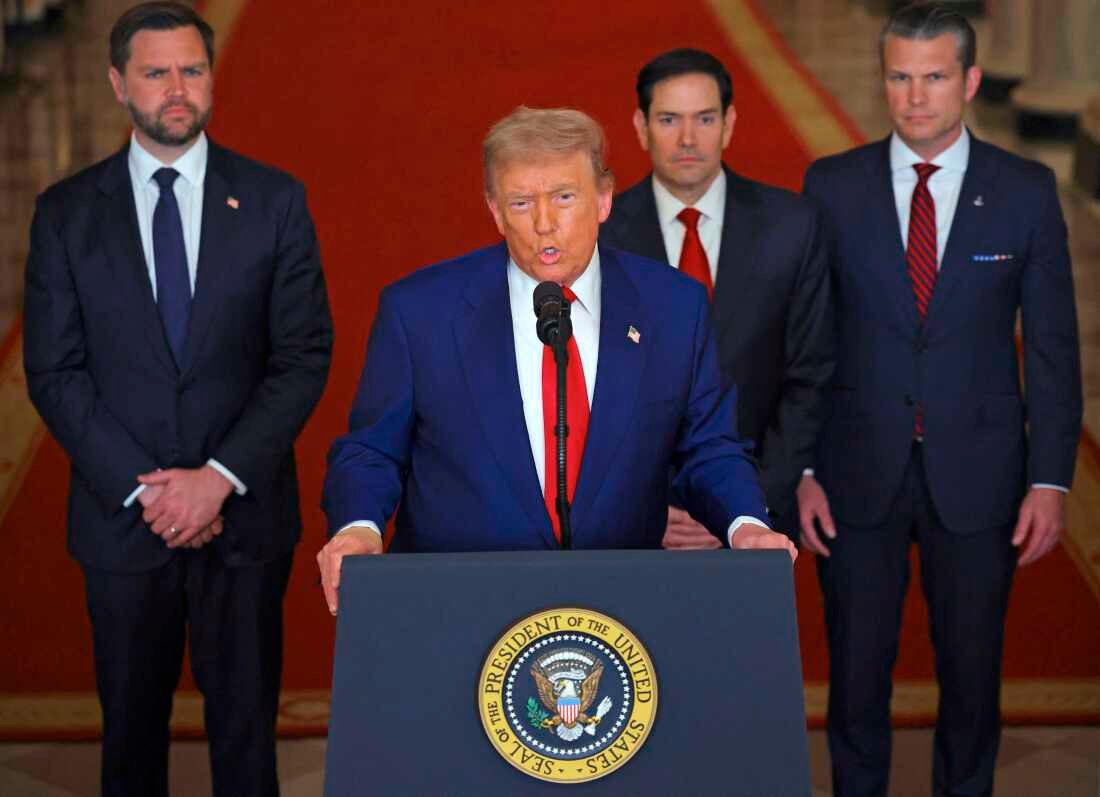
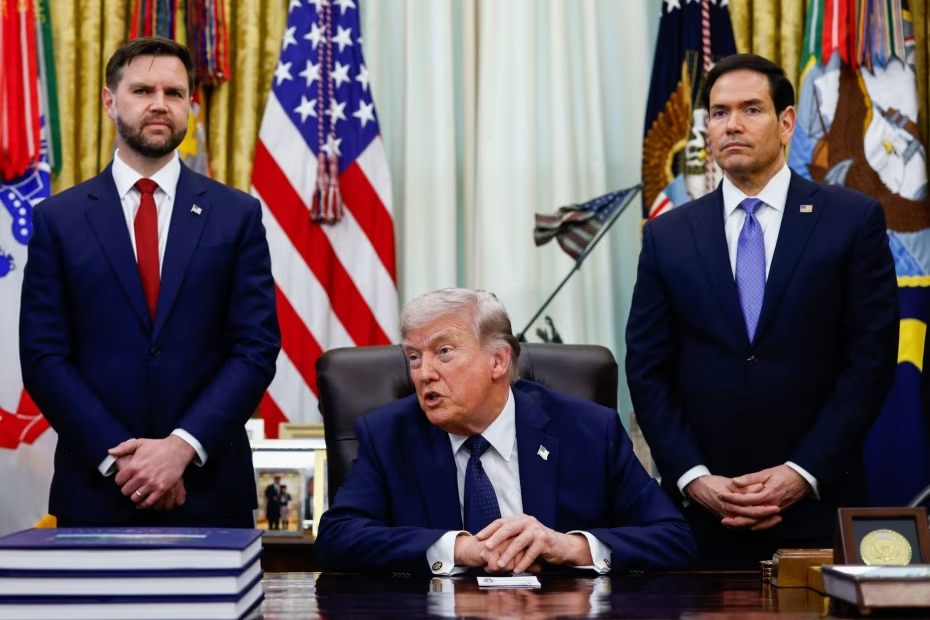
In Washington, officials welcomed the development. Donald Trump’s administration praised the killing as a major victory against drug trafficking networks responsible for smuggling billions of dollars’ worth of narcotics, including fentanyl, into the United States.
Security experts cautioned that the immediate unrest may be only the beginning. “There will definitely be skirmishes between the various factions,” said Carlos Olivo, a former U.S. Drug Enforcement Administration official, warning that the violence could persist as rival groups maneuver for control.
For many Mexicans, the scenes of burning highways and armored vehicles rolling through residential neighborhoods were grimly familiar — a stark reminder that even decisive blows against cartel leaders can unleash new cycles of instability.







Leave a Reply