

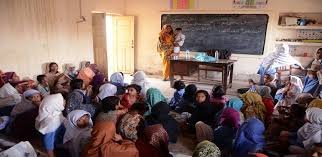
Education is the backbone of any progressive society. For Pakistan, a country with immense youth potential where a large majority of the population is under the age of 30, quality education should be at the heart of national development. Yet despite years of policy discussions and development targets, Pakistan’s education system continues to face serious challenges that hinder social mobility, economic progress, and human development.
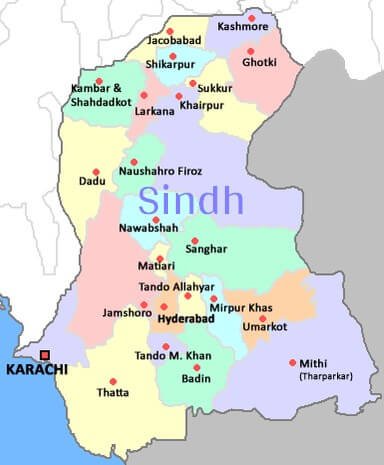
Alarmingly, over 25 million children aged five to sixteen are currently out of school nationwide. Punjab, the most populous province, has the highest number with around 9.6 million out-of-school children. In Sindh, approximately 7.8 million children are not attending school, while Khyber Pakhtunkhwa reports about 4.9 million and Balochistan about 2.9 million out-of-school children. Even the federal capital has nearly 89,000 children without formal education. Of the national total, about 20 million have never attended school at all, highlighting widespread exclusion.
These figures illustrate deep regional disparities and reflect systemic failures in ensuring that every child has access to basic education.
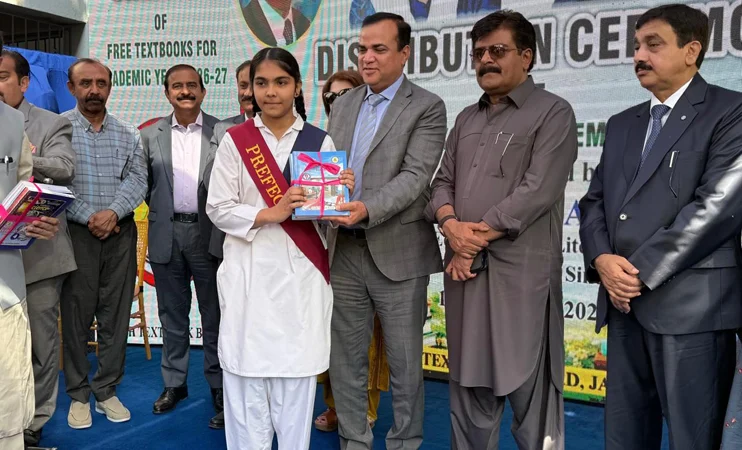
In Sindh, recent initiatives under the leadership of Education Minister Syed Sardar Ali Shah show that focused measures can begin to address some of these gaps. The Sindh government has introduced the Student Attendance Monitoring and Redress System (SAMRS) to track school and teacher attendance, student enrolment, and learning outcomes through digital monitoring. This system aims to improve accountability and provide reliable data for timely policy responses.
Sindh has also expanded access through the establishment of non-formal education centres, which are designed to reach children who cannot attend regular schools due to poverty, geographic isolation, or other barriers. These centres offer flexible learning opportunities with the goal of bringing more children into the education system.
Scholarship programmes have been strengthened with digitised administration to reduce delays and improve transparency. A significant number of these scholarships are reserved for girls to promote gender equity in higher education. Furthermore, the Sindh Education Foundation reported enrolling over one million students through various programmes, and a portion of funding has been allocated to support teacher salaries, which can help improve instruction quality.
These efforts are important steps, but the scale of the challenge remains large. Pakistan as a whole continues to underinvest in education. The education budget has often fallen below the internationally recommended levels, resulting in inadequate school infrastructure, teacher shortages, and outdated teaching methods that emphasize memorization rather than analytical thinking.
Teacher quality and accountability remain central challenges. Many teachers, especially in rural areas, lack modern training, and some are frequently absent from classrooms. Curricular reform is also essential to shift the focus toward critical thinking, creativity, practical skills, and digital literacy — competencies needed in a rapidly changing global economy.
Technical and vocational education remains underdeveloped, even though it offers vital pathways to employment and economic resilience. By equipping youth with skills in areas such as information technology, healthcare support, and trades, Pakistan could address the twin challenges of unemployment and skills mismatch.
A comprehensive way forward requires both national and provincial governments to increase education funding, ensure merit-based teacher recruitment, and expand access to quality learning for all children. Community engagement is also vital. Parents, civil society, and local leaders must be involved in monitoring and supporting schools at the grassroots level.
Education is not merely a sector; it is the foundation of Pakistan’s future. If the nation wishes to overcome poverty, unemployment, gender inequality, and social exclusion, it must adopt an unwavering commitment to quality education for all. The recent initiatives in Sindh under Minister Sardar Ali Shah show that concrete progress is possible, but sustained effort and broader national commitment are essential for lasting change.




Leave a Reply